Israel’s War with Iran Costs Millions Daily, Driving Pressure to End Conflict
From missile interceptions to economic paralysis, Israel faces soaring war costs amid high-stakes escalation with Tehran.
Watan-The Wall Street Journal reported that Israel’s war with Iran is costing millions of dollars each day, with escalating financial pressure on the Israeli government to bring the conflict to a swift end.
In a report by Anat Peled, the paper noted that the cost of intercepting Iranian missiles alone could reach tens to hundreds of millions of dollars per day, according to experts.


The cumulative cost includes:
-
Ammunition
-
Aircraft operations
-
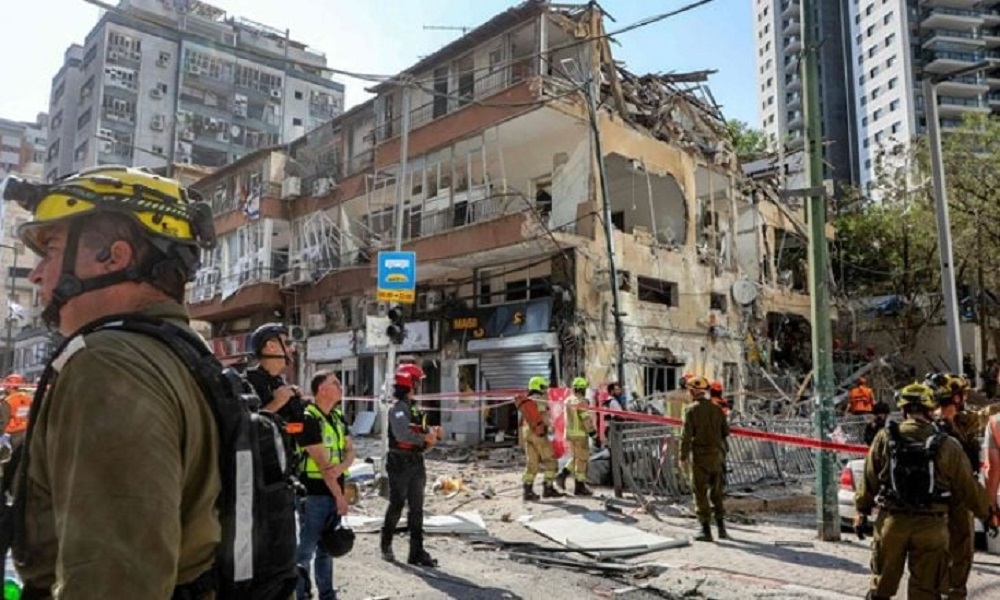
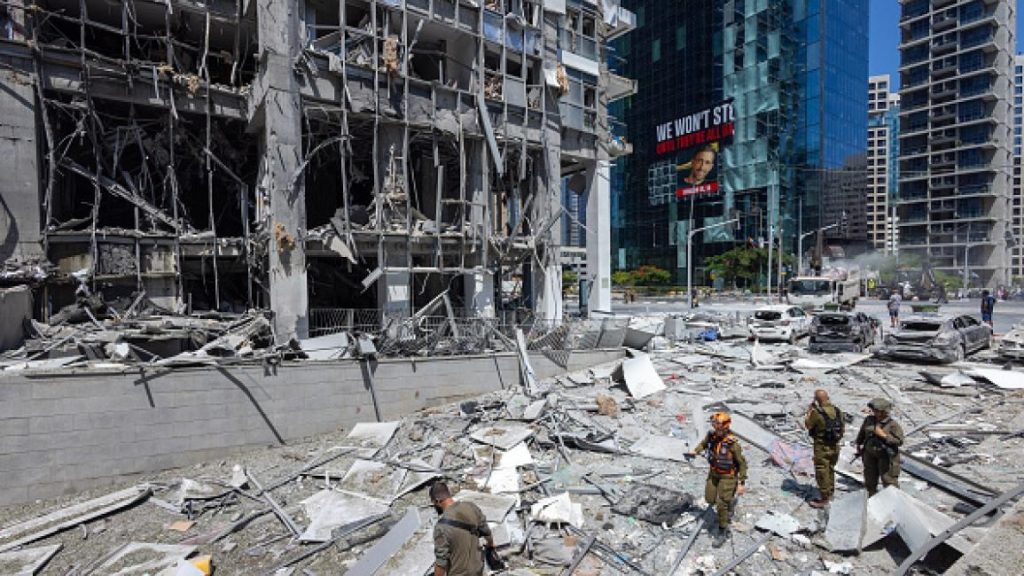
Unprecedented damage to infrastructure
Estimates suggest that rebuilding or repairing affected sites could cost at least $400 million. This financial strain is intensifying calls within Israel to end the war quickly.
Military officials have said the current operation could last up to two weeks, yet Prime Minister Benjamin Netanyahu has given no indication of stopping before achieving all objectives—chiefly, destroying Iran’s nuclear program and ballistic missile arsenal.
Carmit Flug, former governor of the Bank of Israel and current fellow at the Israel Democracy Institute, emphasized:
“The main factor determining the war’s cost is its duration.”
She believes the Israeli economy can absorb a short-term conflict, but if it stretches to two weeks or a month, the burden could be far more serious.
Key figures:
-
David’s Sling (developed with the U.S.) intercepts medium-to-long-range missiles and drones; each use costs $700,000 (typically two interceptors per threat)
-
Arrow 3, used against long-range ballistic missiles, costs $4 million per interception
-
Arrow 2 intercepts cost $3 million each
Additional costs include keeping dozens of F-35 fighter jets airborne for hours at distances up to 1,000 miles from Israel. Operating these aircraft costs approximately $10,000 per flight hour, excluding fuel and armament costs like MK-84 bombs and JDAM kits, according to economist Zvi Eckstein of Reichman University.
The Aharon Institute estimates that a one-month war with Iran could cost Israel $12 billion. While military spending has surged, economists say a recession isn’t yet expected. However, much of Israel’s economy has paused in recent days due to Iranian strikes.
Only essential workers are reporting to duty; many businesses have closed—including restaurants. Israel’s main international airport was shut and is now partially reopened to limited flights for stranded citizens.
On Monday, S&P issued a risk statement in light of the Israel-Iran conflict but maintained Israel’s debt rating.
Paradoxically, Israeli markets hit record highs on Wednesday, outperforming U.S. indexes. Economists interpret this as investor confidence that the war will end in Israel’s favor, and point to the economy’s resilience over 20 months of war in Gaza.
Still, missile damage is mounting. Engineers report unprecedented destruction:
-
Hundreds of civilian buildings destroyed or severely damaged, requiring hundreds of millions of dollars for restoration
-
5,000+ displaced residents, many temporarily housed in government-paid hotels
-
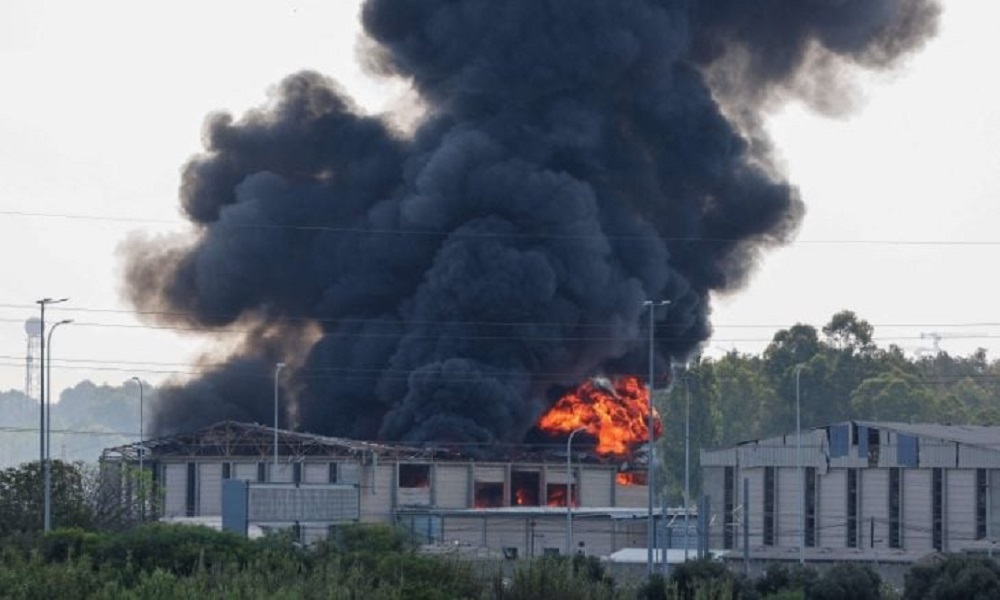
Two airstrikes on Israel’s largest oil refinery in the north killed three employees and caused critical shutdowns
Essential infrastructure employees were instructed to stay home, according to Dror Litvak, CEO of Manpower Israel, which supplies over 12,000 workers across sectors.
By Wednesday, Israel’s Home Front Command announced a partial lifting of restrictions, allowing gatherings of up to 30 people, and reopening most workplaces with nearby shelters. However, with schools still closed, many parents are struggling to balance work-from-home demands with childcare during yet another major military campaign.