Iraqi PM Warns of Israeli Expansionism, Parliament Convenes Emergency Session on Iran Strike and Sovereignty Breach
Prime Minister Al-Sudani condemns Israeli aggression, declares solidarity with Iran, and urges global action to halt escalation; Iraqi parliament debates war fallout and violations of national airspace.
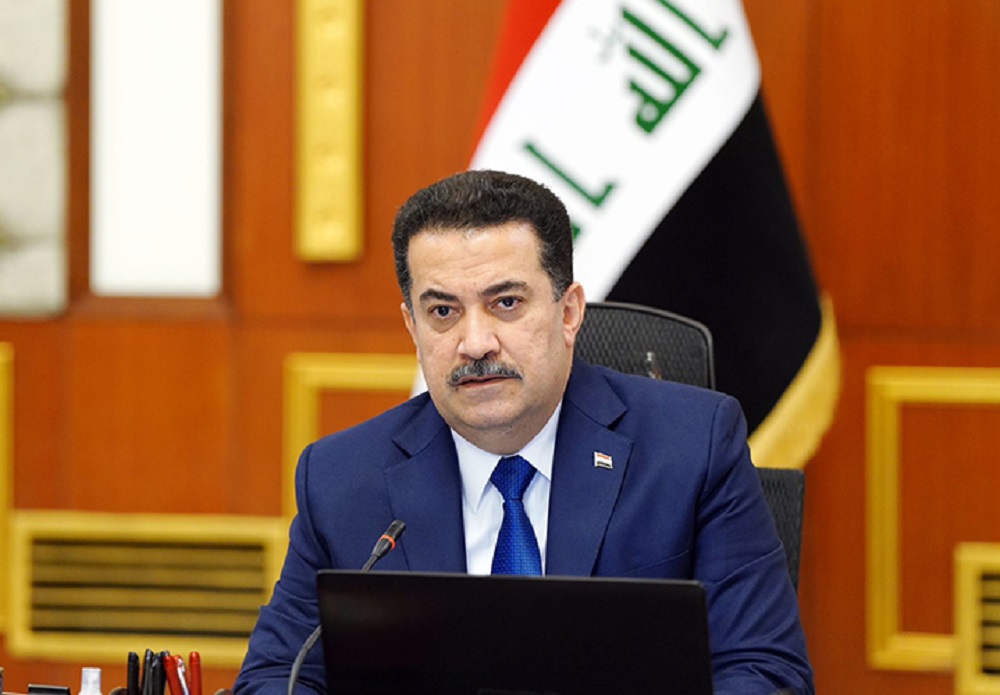
Watan-Iraqi Prime Minister Mohammed Shia al-Sudani issued a stark warning on Monday about Israel’s intentions to expand the war in the region to redraw the Middle East map. He expressed Iraq’s full solidarity with Iran and confirmed that diplomatic efforts are ongoing with foreign ministers worldwide to stop the aggression.
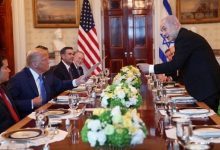
During a meeting with ambassadors from Asia, the Americas, and the envoys of Australia and Turkey, Al-Sudani accused the Israeli occupation government of flouting international law and committing massacres since October 7, while criticizing the international community’s failure to uphold peace and security.
According to a statement from his office, the Prime Minister emphasized that Iraq urges the U.S. and global powers to step in and push for de-escalation through peaceful negotiations, noting that Baghdad is engaging with world leaders and foreign ministers to stop the war.
Al-Sudani declared support for Iran as a sovereign regional power and UN member, and condemned Israel’s attacks as a threat to regional peace, Iraqi security, and international law. He also confirmed that Baghdad filed official complaints with international bodies over Israeli violations of Iraqi sovereignty.
Parliament Reacts, Shiite Bloc Mobilizes
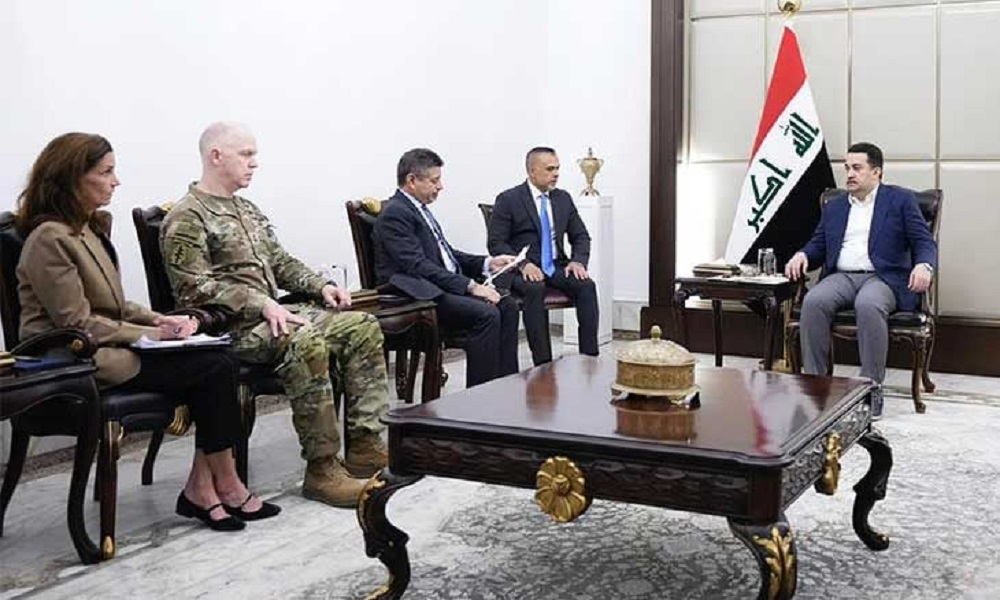
Iraq’s House of Representatives scheduled an emergency session for Tuesday afternoon to discuss the Israeli aggression on Iran and violations of Iraq’s airspace.
Speaker Mahmoud Al-Mashhadani warned of a “great conspiracy” and called for high-level political leaders and heads of state institutions to attend, urging unified action. He stressed Iraq’s principled position in rejecting Israeli aggression and supporting Iran.
Shiite Leaders Denounce Israel, Rally Support for Iran
Senior Shiite figures and groups echoed the Prime Minister’s stance:
-
Shibl al-Zaydi, head of Imam Ali Brigades, part of the Popular Mobilization Forces (PMF), claimed Israel’s war is part of a long-term U.S.-Israeli plan to destabilize the region, starting with Iraq and Syria. He accused the West of seeking to destroy Iran’s defensive and industrial capacity under false pretexts.
-
The Coordination Framework, a political coalition of Shiite parties, held a meeting with PM Al-Sudani late Sunday. They condemned Israel’s “repeated hostile behavior”, particularly the latest attacks that killed Iranian military leaders and scientists.
The bloc called for mass protests to denounce Israeli aggression and show support for Iran’s resistance. They also rejected the use of Iraqi airspace in attacks on neighboring countries, warning of dangerous regional fallout.
Militias Threaten Escalation, Target U.S. Presence
-
Asa’ib Ahl al-Haq, led by Qais al-Khazali, joined Kataib Hezbollah in demanding the closure of the U.S. embassy in Baghdad and vowed to defend Supreme Leader Ali Khamenei if Washington intervenes militarily in the war.
Military spokesperson Jawad Al-Talibawi warned the U.S. of severe consequences, reaffirming loyalty to Khamenei and threatening action “in defense of Islam and against Zionist aggression.”
U.S. Embassy on High Alert
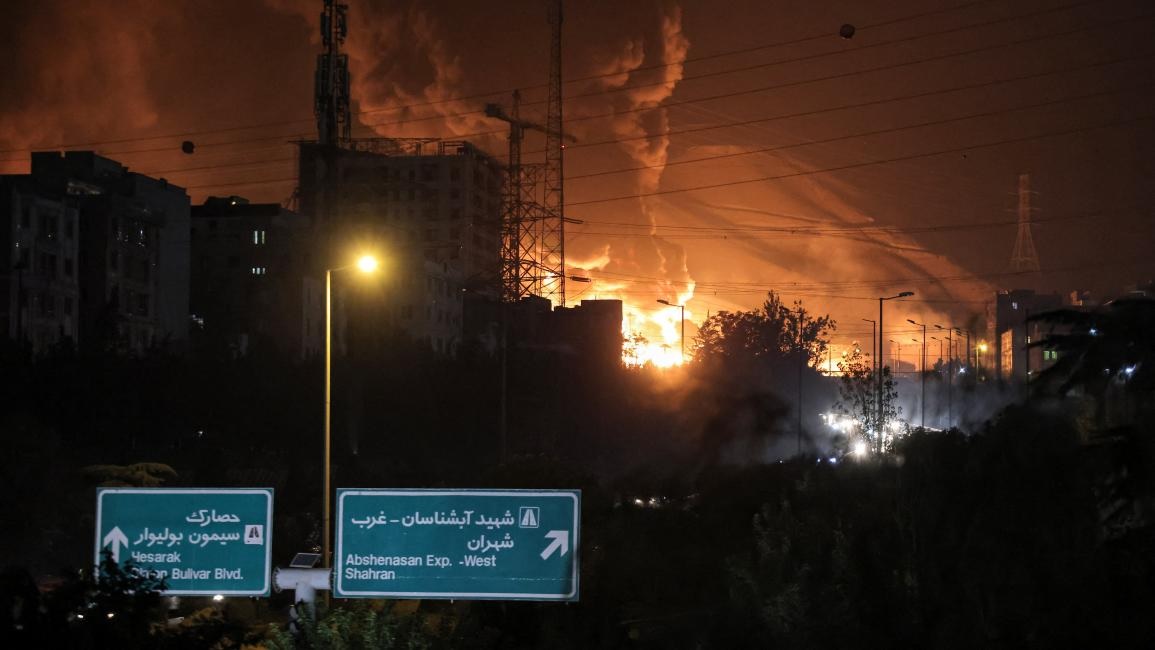
The U.S. Embassy in Iraq issued a new security alert, citing an increased risk of violence and attacks on American citizens and facilities. It urged all U.S. nationals to avoid public spaces and gatherings.
The U.S. announced last week that it would reduce the size of its diplomatic mission in Iraq, citing security concerns.
Iraq Seeks Global Condemnation of Israel
Speaker Al-Mashhadani urged the UN and Security Council to break their silence and stop Israel’s repeated violations, emphasizing that Iraq supports Iran and demands an end to escalatory actions.
In a meeting with National Security Advisor Qasim al-Araji, the two discussed the Israeli strikes on Iran and their implications for Iraq’s national security and the broader region.
Both sides agreed on the importance of preventing Iraq from becoming a battleground and emphasized Iraq’s role as a peace mediator, while condemning the Zionist attacks in strong terms.
With new regional alignments taking shape, Iraq’s leadership and its Shiite political bloc are positioning themselves as Iran’s allies in the confrontation, warning of broader fallout and vowing to resist foreign encroachment on sovereignty and regional stability.