Iraq on Alert Over Radiation Risk After Israeli Strike on Iran’s Natanz Facility
Baghdad forms nuclear emergency unit as experts warn of potential radioactive contamination reaching Iraqi territory following attack on Iranian uranium enrichment site.
Watan-Iraq’s nuclear oversight authorities and specialists in radioactive contamination have issued warnings over the potential risks stemming from escalating hostilities between Israel and Iran. Concerns focus on the possibility that radiation from targeted Iranian nuclear facilities could spread into Iraqi territory.
While Iraqi officials have offered reassurances that specialized teams are monitoring the situation and implementing precautionary measures, experts have called for broader preparedness for any emergency scenario.
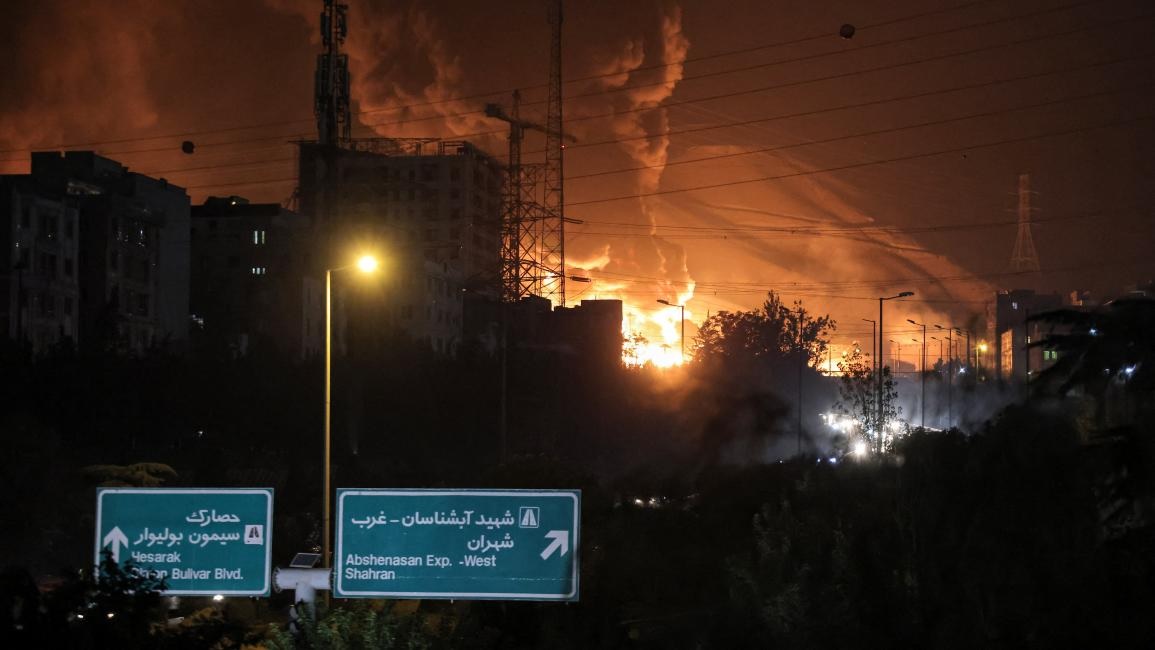
Iran confirmed radioactive contamination at its Natanz uranium enrichment facility—the country’s largest—after an Israeli airstrike two days ago, according to Iran’s Atomic Energy Organization. Although the organization noted that radiation was contained within the facility, Iraq responded swiftly by forming a nuclear emergency room to monitor the situation, especially given that Natanz lies just 300 kilometers from the Iraqi border in Iran’s Isfahan Province.
Iraq Convenes Emergency Nuclear Committee to Assess Fallout from Iran Strike
On Saturday, Iraq’s National Authority for Nuclear, Radiological, Chemical, and Biological Control convened an emergency meeting of the nuclear and radiological emergency committee. The meeting included the authority’s president, deputy, representatives from relevant agencies, and emergency team members.
In a statement issued Friday evening, Iraq’s nuclear regulatory authority confirmed that “no signs of radioactive leakage were detected as a result of the airstrikes on Iranian nuclear sites
According to a statement released that evening, the meeting involved “evaluating the security and technical ramifications of the strikes, and reviewing radiation safety indicators using reports from radiation monitoring systems deployed across Iraqi provinces, particularly in border regions.”
Participants stressed “the continuation of monitoring efforts, maintaining the highest level of alert to respond rapidly to any potential incident, and ensuring the safety of citizens and the security of critical infrastructure.” The authority also emphasized the importance of relying on official data and maintaining coordination with relevant institutions.
No Radiation Detected So Far
In a statement issued Friday evening, Iraq’s nuclear regulatory authority confirmed that “no signs of radioactive leakage were detected as a result of the airstrikes on Iranian nuclear sites,” while emphasizing that the matter remains under close scrutiny.
Environmental contamination specialists say the emergency team must remain active, especially near the Iran border, and stress the importance of using modern radiation detection equipment to monitor air, water, and soil. Environmental expert Zuhair Al-Zubaidi advised proactive measures, including distributing protective suits and masks to residents in border areas and raising public awareness.
Israel Iran war 2025
Al-Zubaidi told Al-Araby Al-Jadeed that the Iraqi monitoring team “should not limit its work to Iraqi territory but must also cooperate with the Iranian side.” He stressed that radiation spreads rapidly through the air, and therefore “monitoring operations must extend into Iranian territory to provide early warnings of contamination.” He concluded, “If depleted uranium dust reaches Iraqi airspace, affected areas may become uninhabitable until proper decontamination is completed.”