Trump Doubles Tariffs on Steel and Aluminum Amid Rising Trade Tensions with China and EU
U.S. raises import tariffs to 50%, intensifying global trade disputes and drawing sharp responses from allies ahead of key negotiations in Paris.
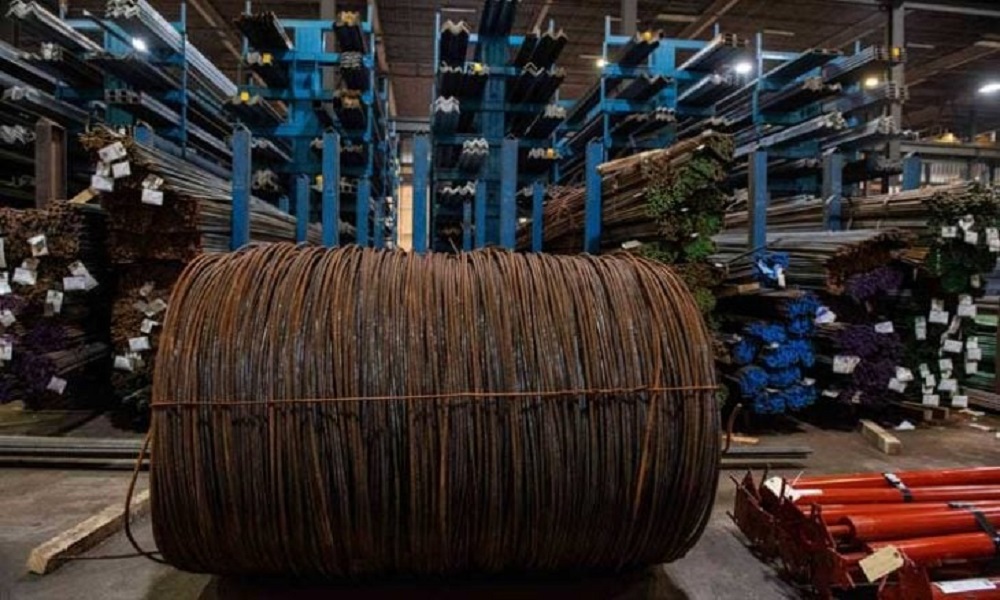
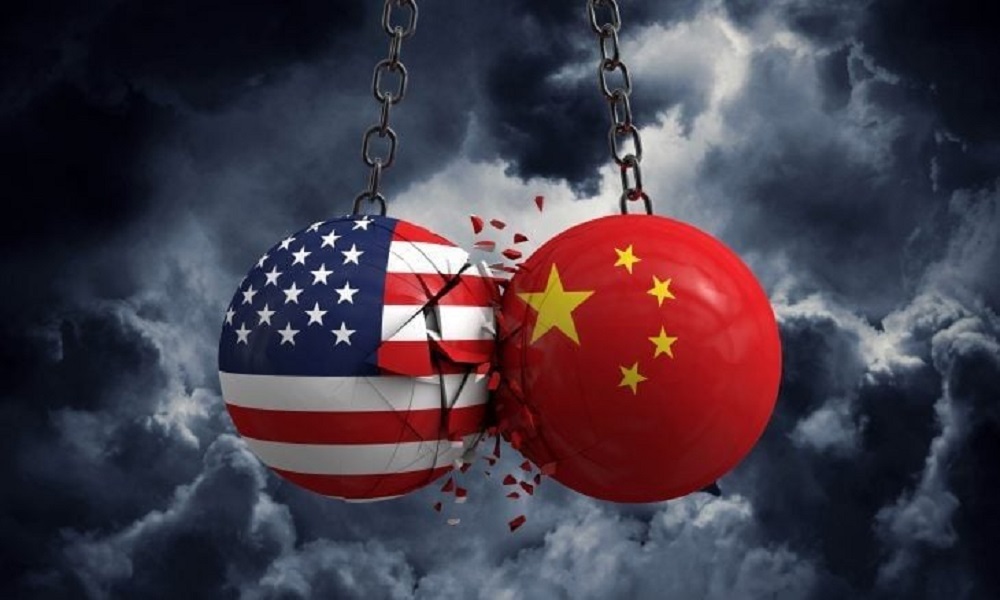
Watan-U.S. President Donald Trump has doubled tariffs on steel and aluminum imports from 25% to 50%, declaring that it is “extremely difficult to reach an agreement” with Chinese President Xi Jinping, just days before scheduled trade negotiations with several U.S. partners in Paris.
The executive order announcing the tariff hike was published Tuesday and came into effect just after midnight Washington time (04:01 GMT Wednesday).

Trump justified the decision by stating, “We want to ensure that these imports do not threaten national security.”
The executive order stated:“While the existing tariffs have provided essential support to prices in the U.S. market, they have not enabled these industries to increase or maintain capacity utilization at levels sufficient to ensure long-term sustainability or to meet national defense requirements.”
UK Exempted as U.S. Escalates Tariffs and Trade Tensions with Europe
Europe Vows to Respond Calmly
European officials have signaled readiness to respond if targeted by further U.S. tariff hikes.
On the sidelines of the OECD summit, Greer also met with his Vietnamese and Malaysian counterparts, while G7 trade representatives (Canada, France, Germany, Italy, Japan, the UK, and the U.S.) gathered ahead of the June 15–17 G7 Leaders’ Summit in the Canadian Rockies.
German Economy Minister Katharina Reiche warned Tuesday that “we must negotiate solutions quickly—time is running out.”
French Trade Minister Laurent Saint-Martin added, “We must remain calm and demonstrate that these tariff measures are not in anyone’s interest, starting with the U.S. economy itself.”
Economic Impact and Uncertainty
The OECD now expects a sharp slowdown in U.S. growth this year, projecting a rate of 1.6%, down from 2.4% before Trump entered office, largely due to the ongoing trade war.
Uncertainty continues to weigh on the global economy, especially after Trump last week accused China of violating a de-escalation agreement signed in mid-May in Geneva, threatening to reignite the trade war between the world’s two largest economies.
The White House confirmed on Tuesday that Trump hopes to speak with President Xi “perhaps this week.” However, Trump posted on his Truth Social platform Wednesday that while he “respects” Xi, it is “very difficult to reach an agreement” with him.
Reactions from North America
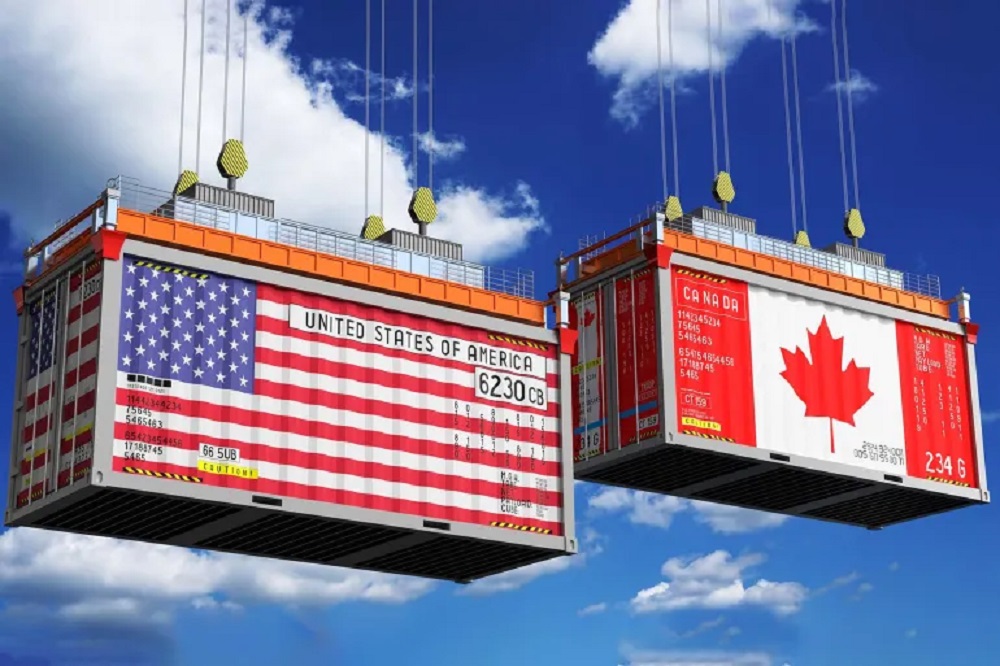
Before the tariff hike to 50%, Canada—the largest steel and aluminum exporter to the U.S.—condemned the move as “illegal and unjustified.”
Mexico’s Economy Minister Marcelo Ebrard said his country would formally request an exemption on Friday, calling the measures “absurd.” Roughly 80% of Mexican exports go to the United States.