The U.S. announced the start of its military withdrawal from Syria, reducing its presence from eight bases to just one
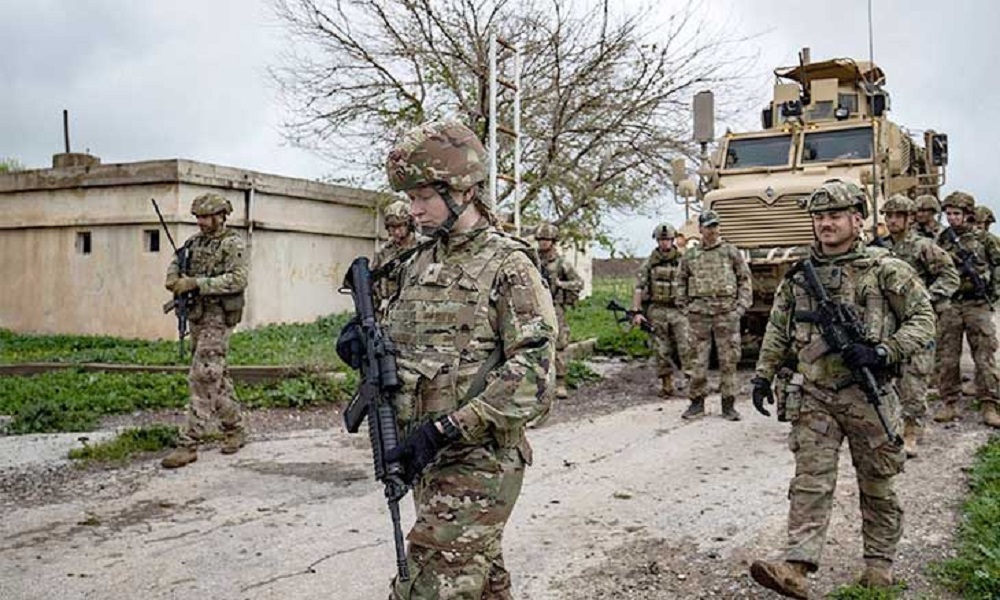
Watan-The United States officially announced on Tuesday the beginning of its military withdrawal from Syria, revealing plans to close most of its eight military bases while keeping only one operational base in the northeast.
Experts and observers described the move as a major strategic shift and a reassessment of Washington’s long-standing military role in the country.
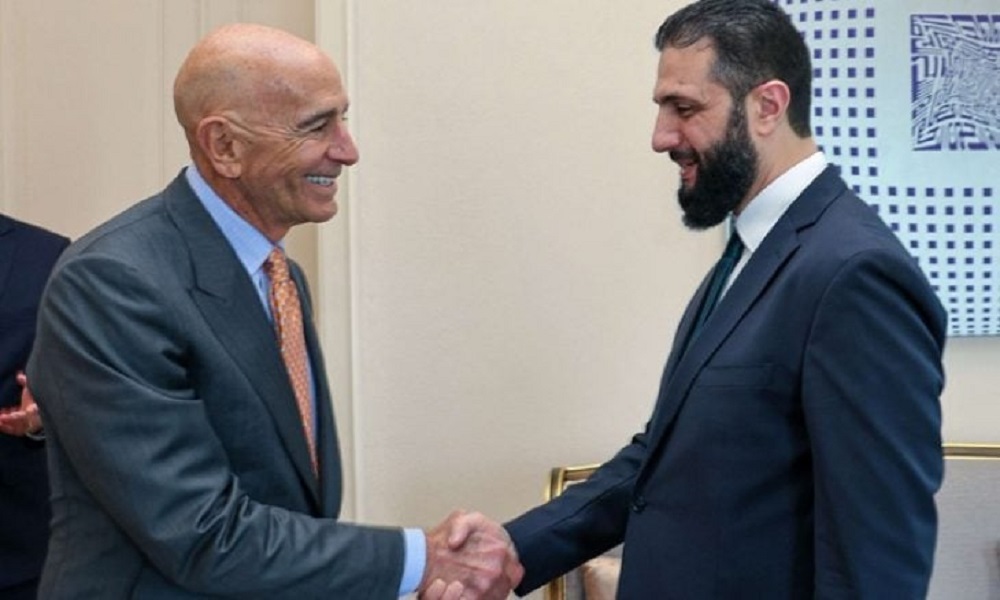
Thomas Barrack, U.S. Special Envoy to Syria, stated that the decision follows a comprehensive policy review, emphasizing that the remaining U.S. base will continue supporting operations against ISIS and ensuring regional stability.
“This reflects progress in the fight against ISIS and aims to reduce both military and financial burdens on the U.S.,” Barrack said.
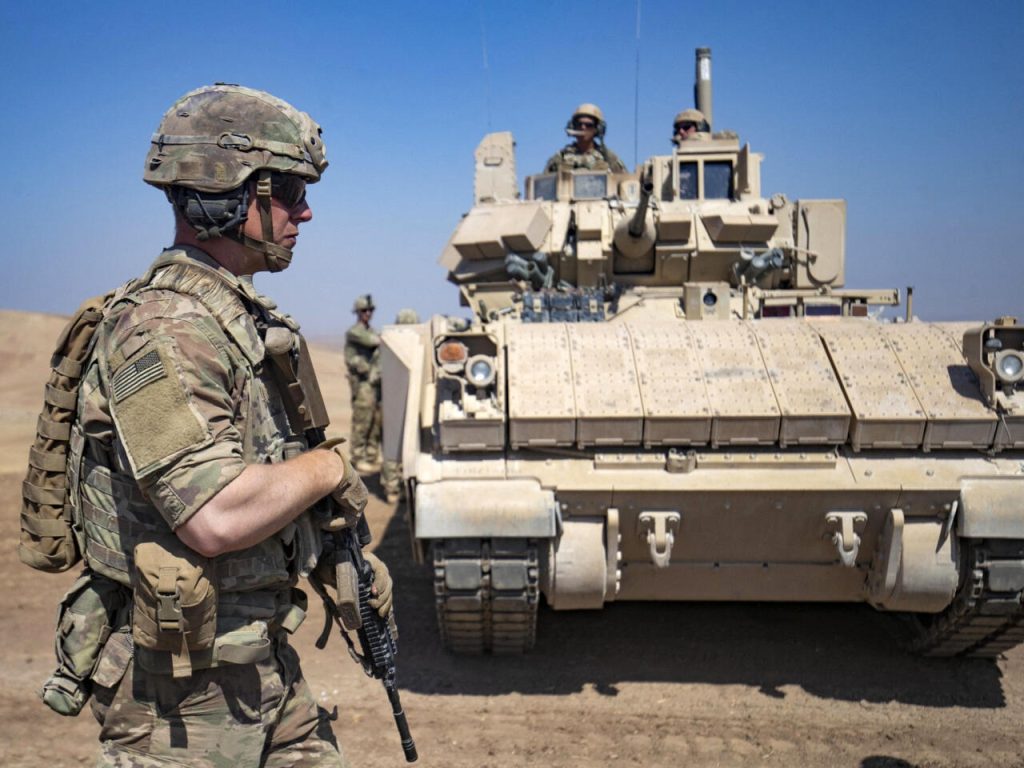
The Pentagon confirmed the withdrawal of hundreds of American troops and the closure of several facilities, in accordance with directives from President Donald Trump. U.S. defense officials stressed that the drawdown is being carried out in coordination with international and local partners to prevent a security vacuum that could be exploited by extremist groups.
Barrack added that the U.S. encourages the Syrian Democratic Forces (SDF) to integrate into the new Syrian national army, a move that would support national unity and boost the security capacity of Syria’s transitional government.
U.S. military in Syria
Strategic Context and Domestic Shifts
Political analyst Talal Abdullah Jassem told Al-Quds Al-Arabi that the U.S. presence in northeastern Syria began as part of an international coalition to fight ISIS. Trump had previously expressed interest in a full withdrawal during his first term, but internal resistance stalled the plan.
Today, Jassem said, the situation has changed dramatically:
The fall of the Assad regime
The emergence of a legitimate government in Damascus
Renewed U.S.-Syria diplomatic engagement
All these factors have opened the door to military de-escalation.
Jassem argued the U.S. now seeks to offload responsibilities, including managing overcrowded camps of women and children, and prisons holding thousands of detainees—many without trial.
He added that the U.S. presence lacks legal or political justification, especially with no Syrian or international consent. He pointed to growing Arab opposition to the U.S. footprint, describing it as an obstacle to national reintegration and a factor that leaves populations under the rule of non-state armed groups.
Regional Realignments and a Path to Stability
Jassem noted that this withdrawal is part of a wider regional restructuring, led by Saudi Arabia, Turkey, Qatar, and Jordan, which are expected to support Syria’s new government in:
Confronting ISIS remnants
Reintegrating detainees
Rebuilding national institutions
He described the current developments as reflecting a high-level international and regional consensus to stabilize Syria and move toward reconstruction and national unity.
U.S. envoy Thomas Barak met with Syrian transitional president Ahmad Al-Shara
Remaining Risks and Skepticism
Syrian academic Mahmoud Hamza described the U.S. move as “generally positive” but criticized the decision to keep one base, arguing it signals continued support for the SDF, which he called a militia that controls a quarter of Syria’s territory and is linked to the Kurdistan Workers’ Party (PKK).
Hamza warned that this base could enable the exploitation of local resources and prolong Syria’s geopolitical fragmentation.
He emphasized that a final solution must include:
Disbanding the SDF
Integrating its members into the Syrian army
Restoring full control to the Syrian stateStrategic Messaging and International Signals
Hamza concluded that the retention of one symbolic U.S. base sends a strategic message to regional powers involved in the Syrian and Iraqi files. However, he warned that unless the SDF issue is resolved, lasting peace in Syria may remain out of reach.
The U.S. previously maintained around 2,000 troops in Syria, primarily in the northeast. This move is part of Washington’s broader strategy to scale back military commitments in the Middle East and avoid protracted regional conflicts.