EU Reconsiders Israel Trade Deal Amid Gaza War Crimes Accusations
With mounting pressure and shifting public opinion, the European Union may suspend its partnership agreement with Israel over human rights violations in Gaza.
Watan-In an article published by The Guardian, writer Martin Konečný argues that after months of complacency and complicity in the face of Israel’s destruction of Gaza, Europe is finally waking up. The killing of tens of thousands, the bombing of schools and hospitals, and the obstruction of humanitarian aid may not have been enough on their own—but now, with public ethnic cleansing rhetoric and escalating violence, Israel’s actions are simply too severe to ignore, deny, or excuse.
In recent weeks, European capitals have issued a wave of unusually strong statements, diplomatic condemnations, and even threats of sanctions. Among the most significant developments is the potential suspension of the EU-Israel Association Agreement, which currently gives Israel privileged access to the world’s largest single market.

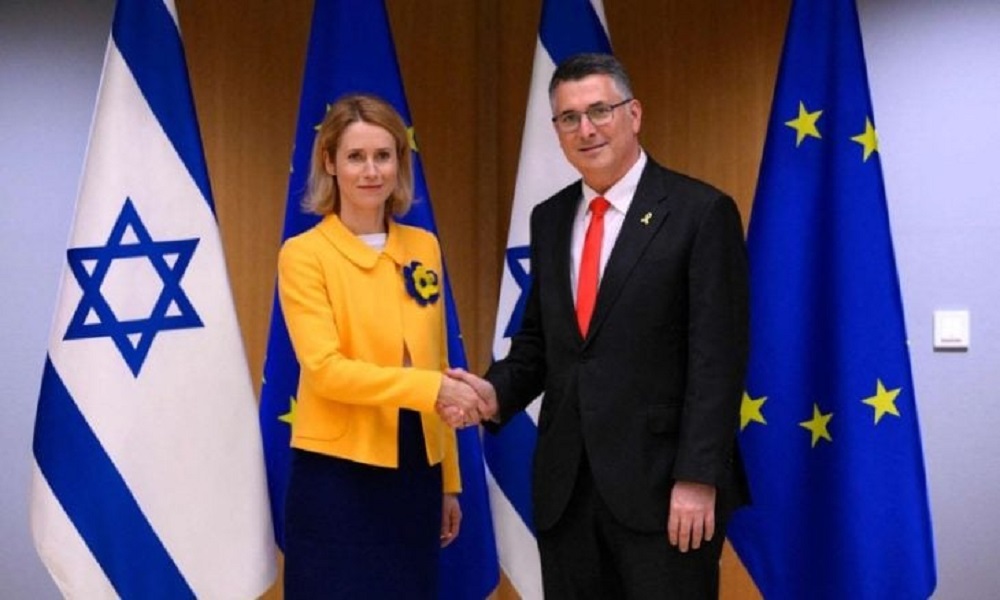
Last month, Dutch Foreign Minister Kaspar Veldkamp broke the EU’s silence by formally calling for a review of Israel’s compliance with Article 2 of the agreement, which requires respect for human rights. This sparked support from 17 other EU member states during a May 20 Foreign Affairs Council meeting, forming a clear majority behind the Dutch proposal. Even EU foreign policy chief Kaja Kallas, initially hesitant, shifted her stance and announced the formal launch of the review.
Whether this is a turning point or mere rhetoric remains to be seen. But clearly, the EU dynamic has changed. Just a year ago, when Spain and Ireland—long vocal in support of Palestinian rights—proposed the same review, they were largely ignored. Now, even traditionally pro-Israel countries like the Netherlands have joined the critical bloc, leaving only staunch defenders like Germany, Italy, Hungary, and the Czech Republic in opposition.
The Stakes: Article 2 and Economic Leverage
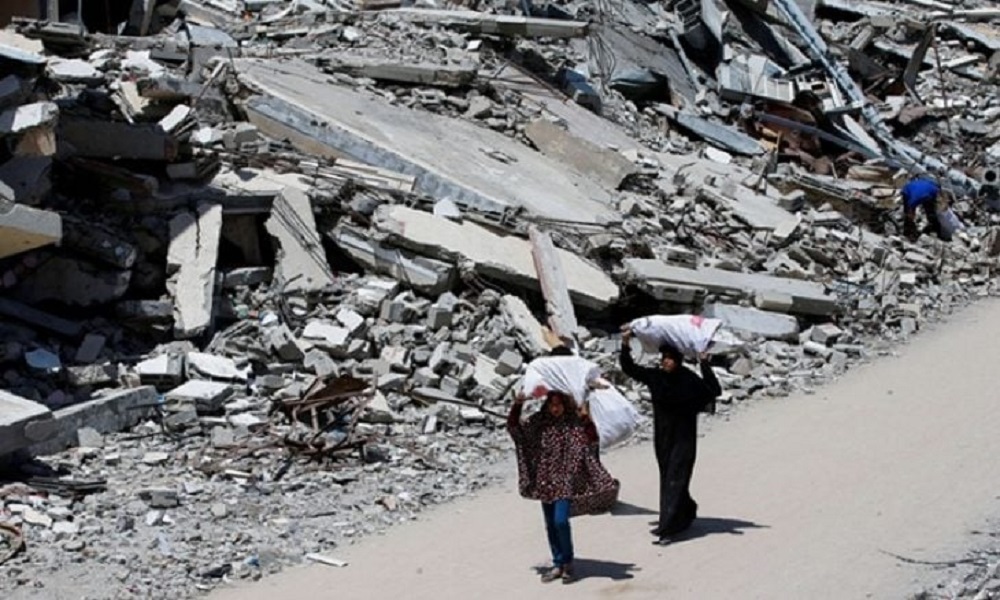
The review focuses on whether Israel is violating Article 2, which defines human rights as an “essential element” of the agreement. Given the documented atrocities in Gaza and the West Bank—many of which have been flagged by international courts—such a review may seem redundant. As one Irish activist put it, “It’s like standing in front of a burning building and asking whether there’s a fire.”
If the review concludes that Israel has indeed violated Article 2, EU ministers will be tasked with deciding next steps—potentially suspending the agreement or key parts of it. While a full suspension would require unanimity among all 27 EU states, suspending preferential trade provisions only requires a qualified majority: 15 countries representing at least 65% of the EU population.
The EU is Israel’s largest trading partner, accounting for 32% of Israel’s total trade, whereas Israel accounts for just 0.8% of the EU’s trade. Suspending preferential access wouldn’t halt trade, but it would impose real economic costs through higher tariffs and restricted market access. Additionally, Israel’s participation in the Horizon Europe research program could be suspended—a move already causing concern in Israeli academic circles.
Political Resistance and Shifting Positions
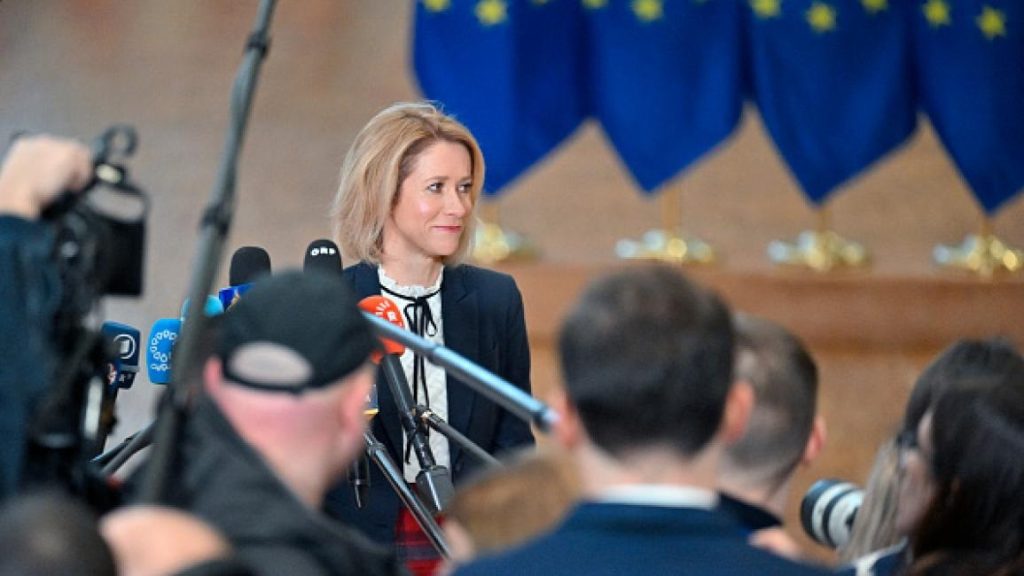
Reaching a qualified majority is still challenging. Not all pro-review countries are ready to back a full suspension. For now, countries like Germany and Italy remain key holdouts. However, pressure is growing: even CDU leader Friedrich Merz issued an unusually sharp rebuke of Israel last week, suggesting Germany’s position may not be ironclad.
Should the EU ignore the findings of an honest review, it would render Article 2 meaningless and damage the credibility of EU human rights clauses worldwide. Historically, the EU has suspended agreements over 20 times, mostly in Africa, for far less egregious violations.
This is why suspension remains a real possibility—especially if Israel does not radically change course. For Europe, it’s a chance to restore relevance and act decisively. Earlier efforts to “encourage” Israel—such as the February EU-Israel partnership council, which politely urged more aid to Gaza—were met with harsher blockades and settlement expansion.
Only after the Dutch initiative began gaining momentum did Israel show signs of internal pressure to allow limited aid into Gaza—clearly linked to the threat of European sanctions.
Conclusion: A Test of Europe’s Principles
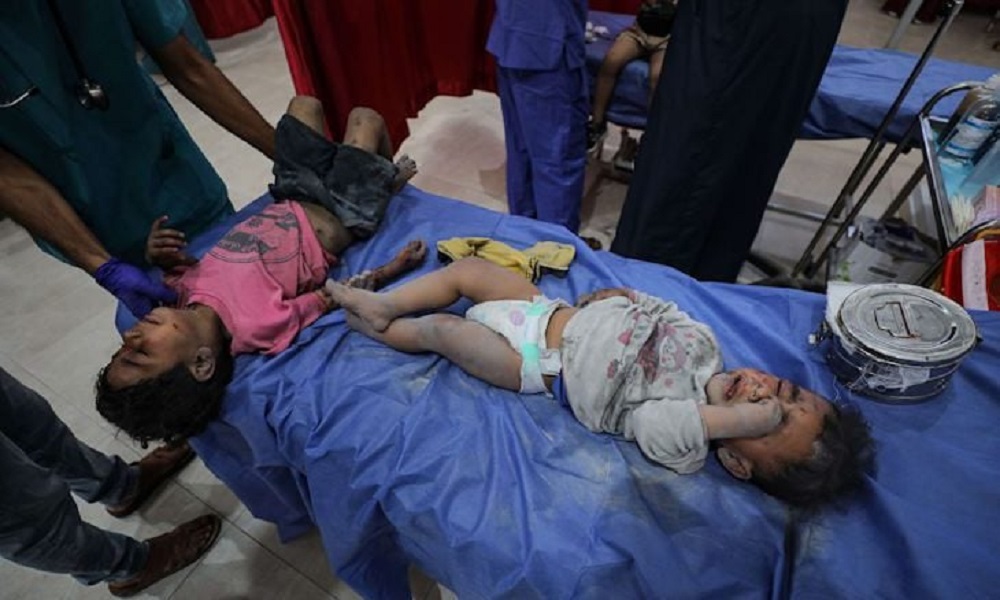
To prevent further atrocities and looming ethnic cleansing, the EU must now act decisively by imposing real political and economic consequences. If it does, the suspension of privileges could become its most powerful tool to pressure Israel onto a path of equality-based peace—instead of endless war and repression.