
Israel’s Economy Under Siege: War in Gaza Triggers Credit Downgrade and Deepening Financial Crisis
S&P Warns of Institutional Risk, Mounting Debt, and Budget Deficits Amid Unending War and Netanyahu’s Long-Term Occupation Strategy.
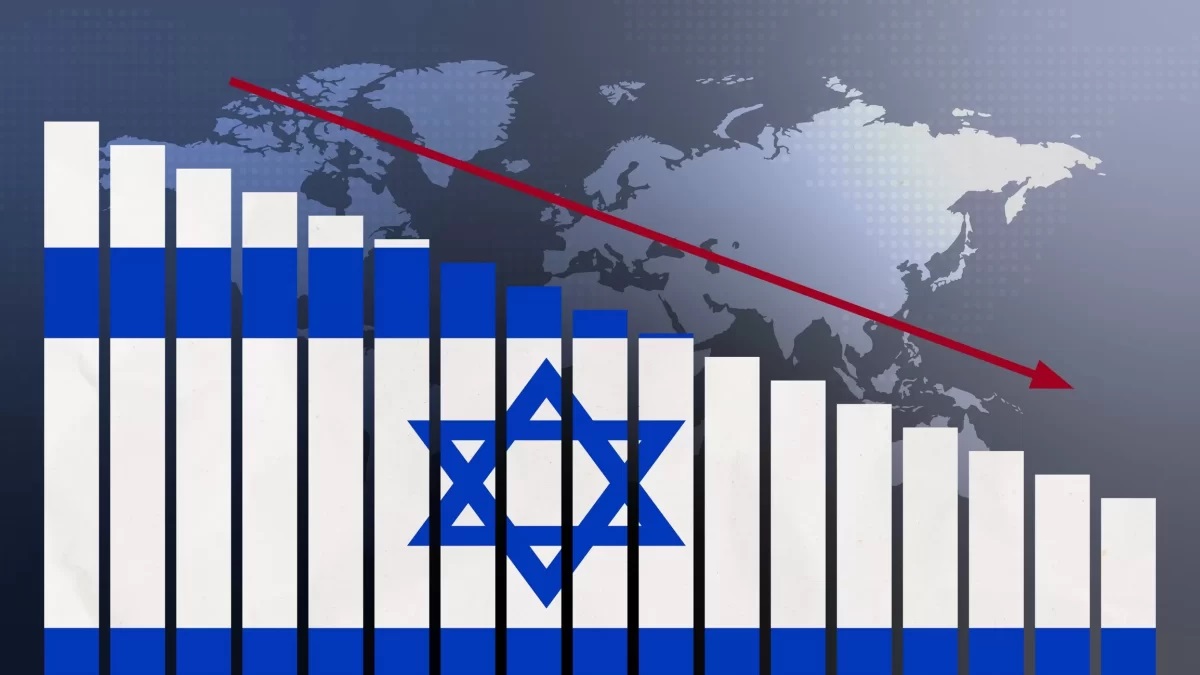
Watan-Israel’s economy is facing persistent crises as a result of its ongoing assault on the Gaza Strip. Economic experts have voiced growing concern over the war’s financial impact, particularly regarding the soaring defense budget and its consequences on fiscal stability and investment decisions.
Maxim Revinikov, Israel’s lead credit rating analyst at Standard & Poor’s (S&P), stated at an economic conference in Jerusalem (as reported by Israeli outlet Calcalist) that Israel’s biggest risks are “institutional fragility and the risks of war.” He emphasized that institutional resilience is a key factor in determining credit ratings.

Revinikov noted that they assess budget management, checks and balances between government institutions, and respect for the rule of law. While S&P has already downgraded Israel’s rating, he warned that capital market risk premiums suggest even lower confidence than the agency’s rating reflects.
He added that the primary issue under review is the duration and uncertainty of the war:“The war has lasted much longer than expected, and we don’t know how it will end. This introduces significant risks, especially if there’s escalation. A direct war with Iran remains our greatest concern — though not our base-case scenario.”
This sustained conflict and unpredictability are why S&P has maintained a negative outlook on Israel’s credit rating.
Debt Forecasts and Fiscal Deficits
Due to the war, S&P has repeatedly raised its projections for Israel’s debt-to-GDP ratio. The agency now forecasts a 6% deficit in 2025 and 5% in 2026–2027, while the Bank of Israel projects a smaller 2.9% deficit by 2026.
Professor Manuel Trajtenberg pointed out:“The most important economic statement today is Prime Minister Netanyahu’s declaration that Israel aims to eliminate Hamas, occupy Gaza, and stay there indefinitely. With 100,000 reservists — twice what was budgeted — this has real economic implications. These aren’t projections; they’re happening now. Is anyone asking what this means long term?”
Amir Yaron, Governor of the Bank of Israel, warned that inflation may take longer to stabilize.
“If inflation slows faster than expected, we could lower interest rates — but until then, we must maintain tight monetary policy.”
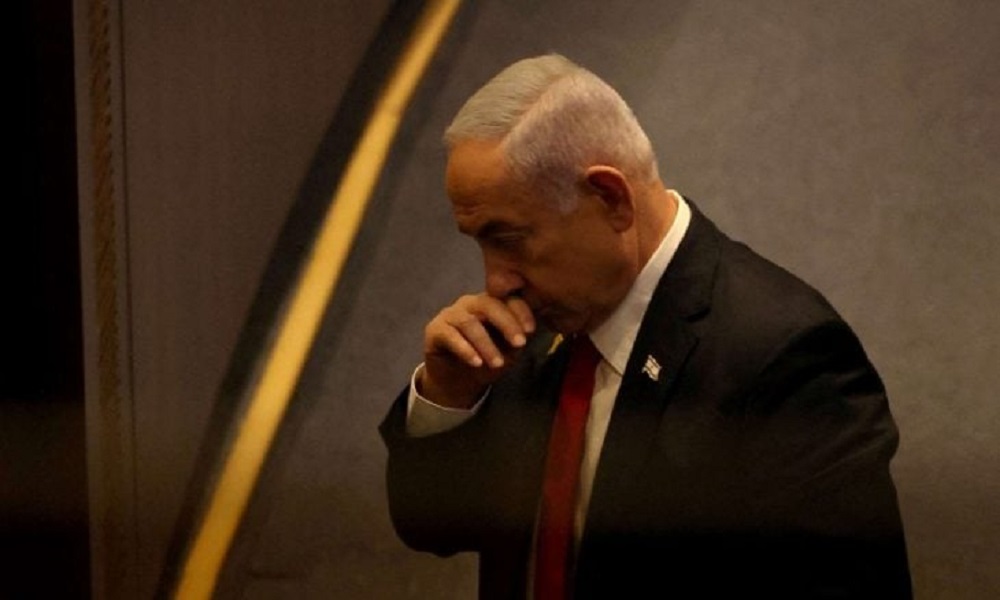
The central bank has held its interest rate at 4.5% and urged the government not to introduce policies that might undermine institutional independence or fiscal resilience.
Yaron stressed the need to reduce disincentives for Arab women and ultra-Orthodox men to enter the workforce, and to balance security spending with investments in infrastructure and education, all while maintaining financial responsibility.
Finance Ministry Chief Economist Shmuel Abramzon emphasized:“There must be a balance between higher defense spending, reduced civilian expenditure, and the tax burden. Not everything requires more money — we also need transparency, oversight, and efficient management of the security sector.”
Accountant General Yechieli Rotenberg shared a personal anecdote to highlight the disparity:“I visited a girls’ care center that needed just 10,000 shekels. Then I attended a military meeting where billions were discussed. That contrast gave me chills. We’re not saying abandon security — but it must be managed responsibly.”