Kuwait Strips Thousands of Women of Citizenship Amid National Identity Crackdown
Under new reforms by Emir Mishal Al-Ahmad, over 37,000 people—mostly women naturalized through marriage—have lost their Kuwaiti citizenship, triggering legal limbo and human rights outcry.
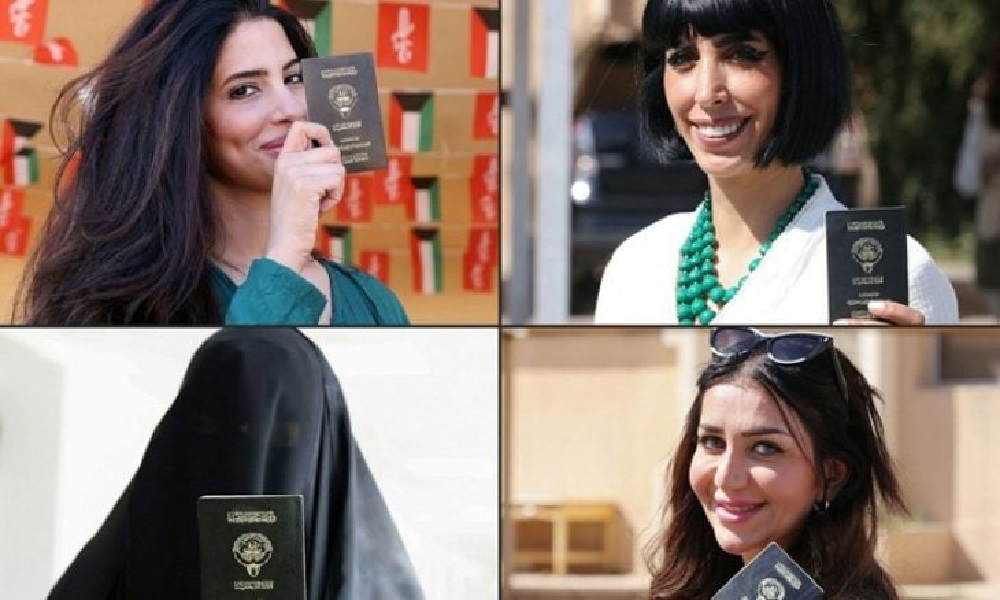
Watan-Lama discovered she was no longer Kuwaiti the moment she tried to pay for a gym session in Kuwait City—her credit card had been blocked, and her bank account frozen. It turned out her citizenship, which she acquired through marriage, had been revoked.
Lama, like other women who spoke to AFP under pseudonyms to avoid repercussions from authorities, described it as a “shock.”

“To be a law-abiding citizen for 23 years, then wake up one day to find you’re not—that’s simply unacceptable,” said the 50-year-old woman of Jordanian origin.
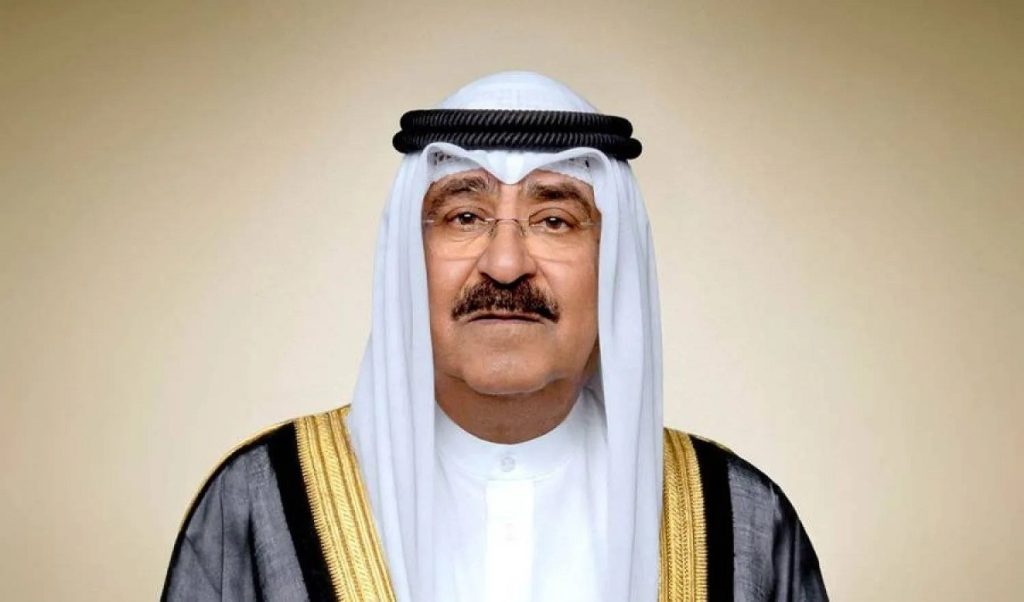
These mass nationality revocations are being presented as part of a sweeping reform campaign by Kuwait’s Emir, Sheikh Mishal Al-Ahmad Al-Sabah, who dissolved parliament and suspended parts of the constitution just months after taking office in December 2023.
The Emir’s new nationality policy appears aimed at confining Kuwaiti citizenship to those who inherited it patrilineally, effectively reshaping the country’s identity and potentially reducing its voter base after years of political unrest, analysts told AFP.
In a televised address in March to Kuwait’s population—just 5 million people, only a third of whom are Kuwaiti—the Emir promised to “return Kuwait to its original people, clean and free of impurities.”
Lama is just one of over 37,000 people—including at least 26,000 women—stripped of their Kuwaiti nationality since August, according to data compiled by AFP from official sources. Local media suggest the real number could be much higher.
Though citizenship revocation is not new in Kuwait, the scale is unprecedented, said Bader Al-Saif, an assistant history professor at Kuwait University.
Kuwait also has a sizable stateless population known as the Bidoon, numbering around 100,000, who were denied citizenship after Kuwait’s independence from Britain in 1961.
Targeting Women and Dual Citizens
The current campaign invalidates naturalizations through marriage—which applied only to women—and has retroactively stripped Kuwaiti citizenship from all women naturalized via marriage since 1987. According to the Ministry of Interior, 38,505 women were naturalized between 1993 and 2020.
It also targets dual nationals, which Kuwaiti law prohibits, and those suspected of using fraudulent documentation to obtain citizenship.
High-profile figures have also been affected. The government revoked citizenship from well-known individuals, including singer Nawal Al-Kuwaitia and actor Dawood Hussein, who had been granted nationality for their “distinguished contributions.”
Entrepreneur Amal, who held Kuwaiti nationality for nearly 20 years, said:
“Overnight, I became stateless.”
Many now find themselves in legal limbo, struggling to restore their previous nationality.
According to Mansoura Mills, a researcher at Amnesty International,
“The right to nationality is a fundamental human right. Its denial can devastate lives—something the Bidoon community has long endured.”
Analysts agree the campaign is centered on redefining Kuwaiti national identity.
“It’s about the concept of who we are as a nation,” said Bader Al-Saif.
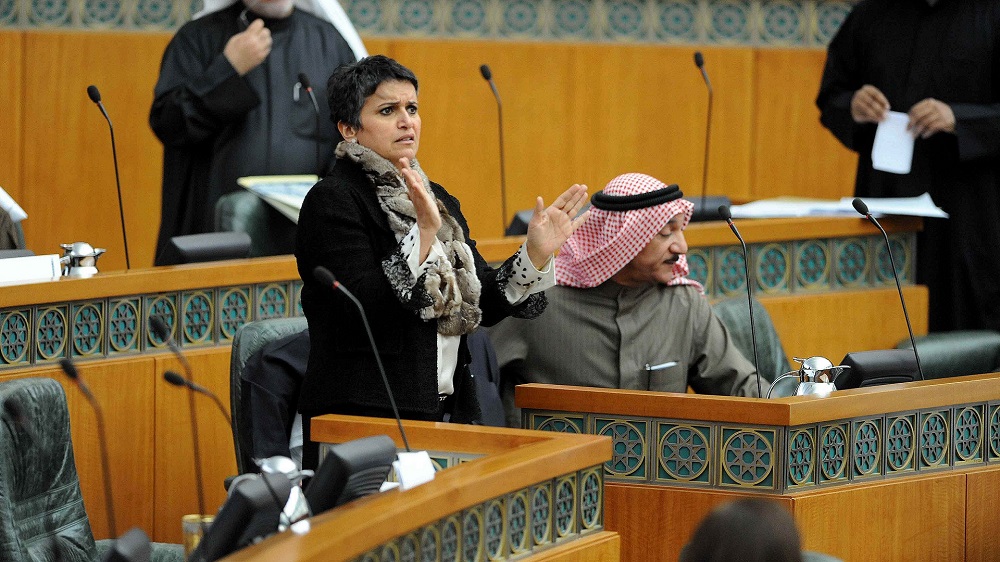
Kuwait’s parliamentary system, unlike many Gulf states, has traditionally carried significant political weight. However, citizenship laws restrict political rights to those born to Kuwaiti fathers.
After Iraq’s invasion of Kuwait in 1990, the state extended voting rights to those who had been naturalized for at least 20 years and to their children.
“That move was both a token of appreciation and a push for national unity,” said Al-Saif.
But the new leadership seems to be taking an exclusionary approach to Kuwaiti nationalism, says Giorgio Cafiero, CEO of Gulf State Analytics, one that excludes those without “deep roots.”
Researcher Melissa Langworthy of the Includovate Center, who studies Gulf naturalization issues, said the message to naturalized women is clear:
“They are not considered ideal products of the nation.”
“They’re targeting us mothers—the core of the family and society,” said Lama, her voice heavy with sorrow.
“They didn’t consider that we are the mothers and grandmothers of this country’s children.”
The Innocent and the Accused
Initially, the campaign was marketed as a crackdown on fraudsters exploiting Kuwait’s generous welfare system and was met with wide public approval. But that sentiment soon shifted.
One Kuwaiti man, whose wife lost her citizenship, said:“The government equated the innocent with the guilty.”
His wife’s government pension has been suspended for over six months, and her bank loan frozen.
“What message are we sending with this racial incitement and unfair treatment?” he asked.
While authorities promised to treat affected women “as Kuwaiti citizens” and maintain their social benefits, they have still been left stateless and stripped of all political rights.
Kuwait’s Emir linked the revocation policy to persistent standoffs between parliament and the royal-appointed government, which have hindered much-needed reforms to diversify the oil-dependent economy.
“It seems the leadership may be aiming to reduce the citizen population to create a smaller, more manageable voter base,” said Cafiero.