
Syrian Interior Minister: One-Third of Population Targeted by Former Regime’s Security Apparatus
New Reforms Aim to Replace Assad-Era Security Structure with Unified, Rights-Based Policing Model.
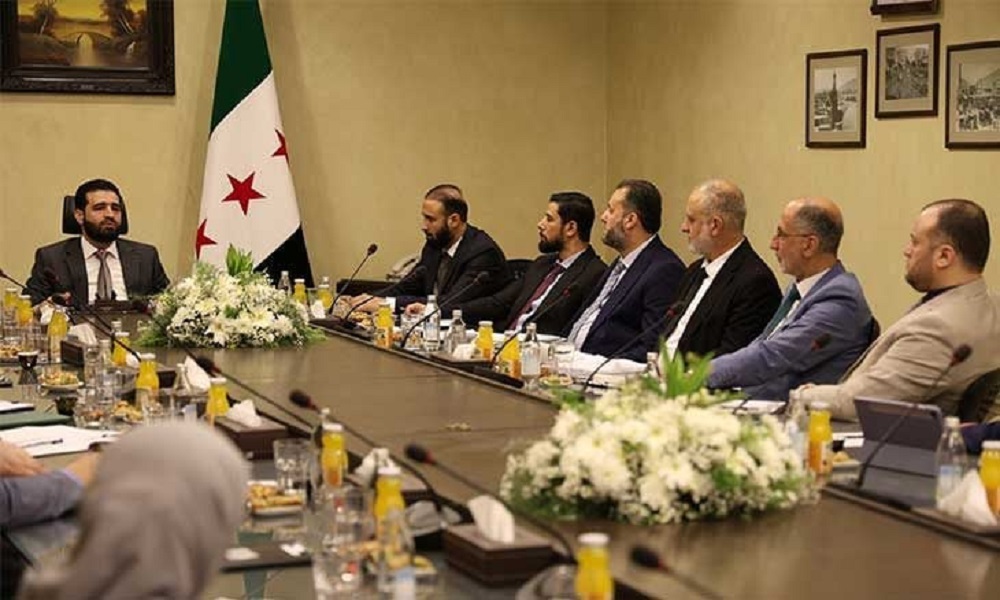
Watan-In a historic consultative meeting chaired by Interior Minister Anas Khattab, Syria’s transitional government revealed staggering figures: 8.22 million Syrians, nearly a third of the population, were either wanted by security forces or banned from travel under the Assad regime. The announcement was part of a broader initiative to rebuild the country’s internal security system, marking a break from decades of authoritarian rule.
The session gathered legal experts, defected police officers, and representatives from various ministries to review a proposed new structure for the Interior Ministry. The reforms, according to participants, aim to replace the “security state” model with a rights-based, transparent, and professionally accountable system.


Khattab detailed the dismantling of the old system’s most abusive components. Of the 8.22 million flagged citizens, 5.2 million names have already been removed, mostly for draft evasion or military service issues. Three million remain, including 1.13 million public employees.
Khattab also exposed that the former regime had submitted politically motivated lists to Interpol, including 2 million names, weaponizing international law enforcement for domestic repression.

Key changes under the new vision include:
-
Three distinct security bodies with non-overlapping mandates:
-
Internal Security under the Interior Ministry, the only agency interacting with civilians.
-
Military Intelligence, limited to army-related matters under the Defense Ministry.
-
General Intelligence, expected to report directly to the presidency, will function only as an analytical body with no arrest or interrogation authority.
-
According to legal expert Aref Al-Shaal, this model reflects a shift toward clear legal boundaries and civil oversight, ending the unchecked power of overlapping intelligence agencies that previously operated detention centers and maintained a pervasive presence in airports and cities.
The reform plan—branded as “Safe Syria”—includes:
-
A citizen complaints office for reporting abuse.
-
A nationwide CCTV network to combat crime.
-
Measures to curb drug trafficking, particularly Syria’s role in Captagon smuggling.
-
An emphasis on civilian oversight and human rights protections.
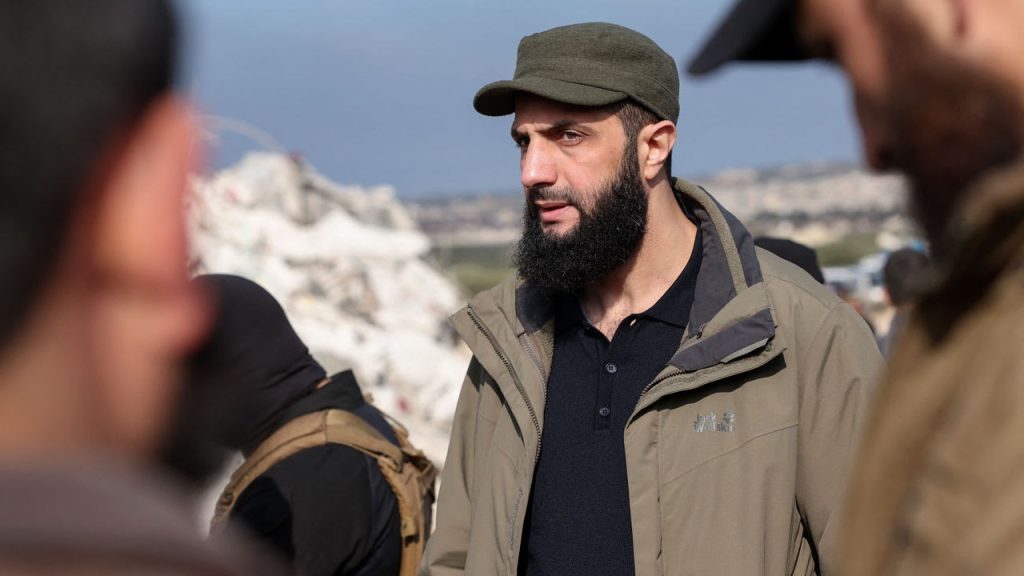
Dr. Radwan Ziadeh, a participant and researcher at the Arab Center in Washington, called the meeting unprecedented. He praised the open discussions between officials and former regime critics, noting it could mark a foundational step toward building a professional and accountable national security force.
The reforms also include dissolving most former security branches, centralizing security under a civil-led Interior Ministry, and ending the fragmentation that previously enabled widespread abuse.
The proposed changes signal a paradigm shift in Syria’s governance—from totalitarian surveillance to civilian-led, lawful public security, and reflect broader efforts to build a state grounded in justice, human dignity, and accountability.