“Nawal’s Treasure”: Villa Heist Uncovers Massive Hidden Wealth in Egypt’s Ruling Elite
Amid calls for austerity and banking trust, a burglary at Nawal El-Degwi’s villa reveals a hidden fortune, igniting outrage over unchecked elite corruption in Egypt.
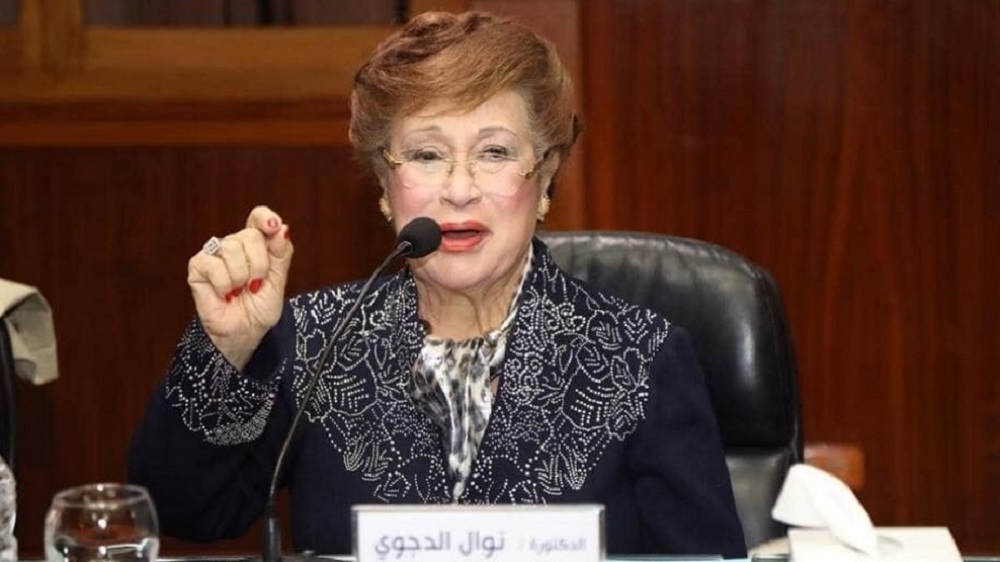
Watan-At a time of official austerity and public appeals for citizens to “tighten their belts,” the robbery of Nawal El-Degwi’s villa—an academic and prominent figure in Egypt’s ruling Mostaqbal Watan Party—has ignited a major scandal. The break-in revealed an unexpected treasure hidden inside her 6th of October City residence, which Egyptians quickly dubbed “Ali Baba’s Cave.”
According to the police report, the stolen assets included approximately 50 million Egyptian pounds in cash, $3 million USD, £350,000 GBP, and 15 kilograms of gold—amounting to more than a quarter of a billion Egyptian pounds, exceeding the budgets of entire government agencies.
What shocked many was that El-Degwi, long seen as a model loyalist to the regime and frequently presented in media as a “shining example,” had been honored by President Abdel Fattah El-Sisi in 2019 and held top positions in the ruling party. She also received honorary doctorates from British and American universities.
But the incident raised questions deeper than theft: Why would someone of her status hoard such vast wealth at home? Why not trust the banking system she publicly promotes? And above all, how was this fortune accumulated in the first place?
A robbery at the home of Egyptian academic and ruling party figure Nawal El-Degwi revealed millions in cash, gold,
Nawal’s Cave Sparks Outrage Over Egypt’s Two-Tiered Justice System
Egyptian activists drew comparisons between this case and that of a young man, Ahmed Abou Zeid, who was jailed simply for earning $160,000 from YouTube—while a politically protected figure stashed millions at home with no investigation into its source.
Social media exploded with anger, calling El-Degwi a symbol of politically shielded corruption. Many argued this case exposes what lies behind Egypt’s ruling elite: the poor are told to deposit money in banks, while powerful figures are allowed to hoard fortunes in their drawers.
To date, there has been no public investigation into the origin of El-Degwi’s wealth, increasing public suspicion. The file remains open—not only as a security issue, but also as a moral and political scandal. Many are now asking: Is “Nawal’s Cave” the only one, or are there more across a state that feeds corruption under the guise of official virtue?