
Al-Sharaa Alarms Israel: Why Does the Occupation Fear the New Syria?
Ahmad Al-Sharaa’s rise to power in Syria revives alliances with Hamas and Islamic Jihad, raising alarms in Tel Aviv amid increasing Israeli airstrikes.
Watan-Indicators of concern are rising in Tel Aviv regarding the ongoing transformations in Syria, particularly after Ahmad Al-Sharaa took over the presidency, succeeding Bashar Al-Assad. Israeli reports claim that the new president has a “hardline Islamic” orientation despite his modern appearance, signaling a potential shift in the regional balance in favor of the Axis of Resistance.
Israeli security sources told Hebrew media that Al-Sharaa is not a partner for dialogue but rather an enemy in a suit and tie, quietly working to bring Syria back into the confrontation line with Israel, especially by strengthening ties with Hamas and Islamic Jihad.


Reports indicate that the new Syrian president has released several Palestinian detainees affiliated with these two movements, who had been imprisoned during the rule of both Assad Sr. and Jr. According to sources, some of them have already begun field operations against Israel from Syrian territory.
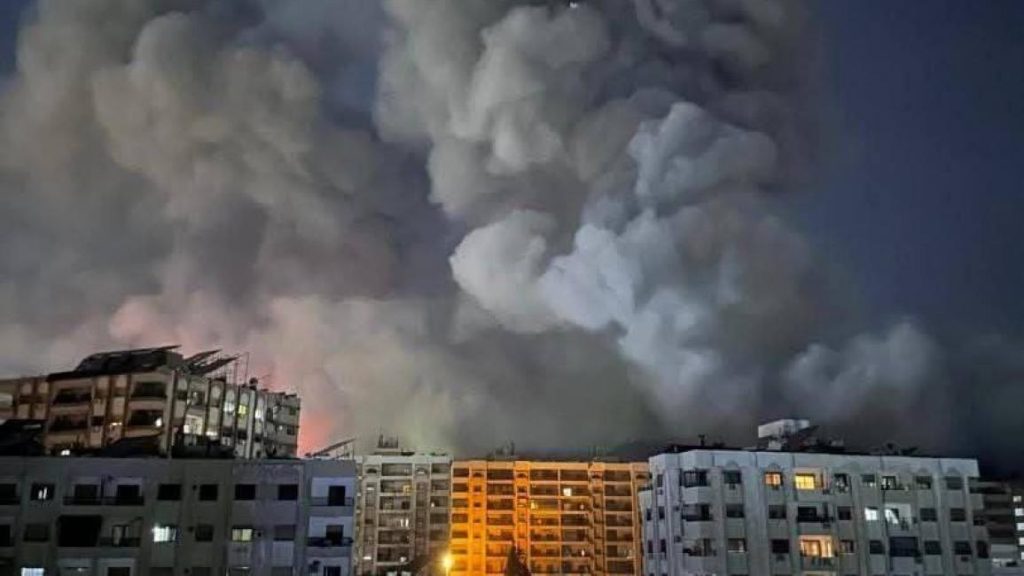
In addition, Tel Aviv believes that Tehran has started to reorganize its presence in Syria, secretly supporting certain resistance factions through Damascus. This shift explains the near-daily Israeli airstrikes on Syrian territory, in an attempt to thwart any new alliance that could threaten the security of the occupation.
The Israeli airstrikes target Syrian army sites and weapons depots believed to belong to Hezbollah or Palestinian factions, at a time when Damascus has shown no offensive intent toward Tel Aviv—reflecting confusion in the occupation’s strategy.
Interestingly, this Israeli tension is unfolding amid official silence from Al-Sharaa’s administration, which has not issued any statements against Israel so far. This raises questions about the intelligence assessments relied upon by Israel, which may be based more on behind-the-scenes movements than on public rhetoric.
On the other hand, observers believe that Syria’s return to openly supporting Palestinian factions could reshuffle the region’s cards and lay the groundwork for a new regional alliance led by Damascus and Tehran—embarrassing some of the states that have normalized relations with Israel.