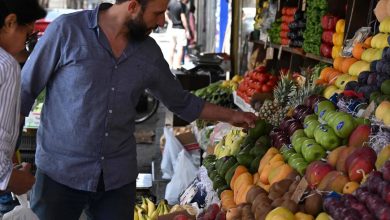
Ramadan 2025: Inflation and Economic Hardships Reshape Iftar Tables Across the Arab World
Rising food prices and economic instability challenge families in Egypt, Iraq, Palestine, and beyond as they prepare for the holy month.

Watan-The blessed month of Ramadan has arrived amid economic conditions that cannot be described as ideal across the Arab region. Several countries are experiencing security crises and political changes that have led to economic downturns. Inflation, the heaviest burden for fasting families this year, has significantly impacted households.
In this report, Al Jazeera Net examines the state of Ramadan tables across the Arab world, highlighting the cost of iftar meals in various Arab countries, the impact of inflation, and the common dishes served during the month.


Egypt
Egypt’s ongoing economic crisis in recent years has cast a shadow over the iftar meals of Egyptians during Ramadan. Markets continue to witness rising prices of goods, while consumer purchasing power has declined.
The annual inflation rate (price increase rate) in Egypt slowed slightly to 23.2% in January, down from 23.4% in December 2024.
Despite official indicators suggesting a decline in inflation, the suffering is evident in markets, affecting both sellers and buyers.
Faiz Mohamed, a butcher, told Al Jazeera Net that sales at his store have significantly dropped compared to previous years due to the soaring meat prices.
The price of one kilogram of meat ranges between 420 and 500 Egyptian pounds ($8.30 to $9.88), marking an increase of over 50% compared to 2022.
The butcher added that many customers have reduced the quantity of meat they purchase in preparation for Ramadan, which has led to a decline in his sales.
Lubna El-Sayed, a wife and mother of three, said that since the previous Ramadan, she has been using various strategies to cut food expenses. She explained that her family’s iftar meals have largely excluded different types of protein, and they now only buy dates and raisins for traditional Ramadan treats.
Speaking to Al Jazeera Net’s correspondent, Duaa Abdel Latif, Lubna said she struggles to manage household expenses: “My husband’s monthly salary is no more than 7,000 Egyptian pounds ($138.26), and our food budget is just over 3,000 pounds ($59.25), which is equivalent to only 7 kilograms of meat.”
Based on interviews with traders and households, as well as figures from charitable organizations, the cost of a complete iftar meal—comprising protein, vegetables, traditional Ramadan treats, sweets, and drinks—ranges between 90 and 130 Egyptian pounds ($1.78 to $2.57) per day. This means that an individual’s total Ramadan food expenses range between 2,700 and 3,900 pounds ($53.33 to $77.03). However, this cost is almost halved when meat is excluded from the meal.

Iraq
In Iraq, economist Mustafa Hantoush notes that there are both declared and undeclared inflation rates. The official figures released by the Ministry of Planning for 2023 and 2024 indicate an inflation rate between 3.5% and 4%, covering essential goods such as vegetables, fruits, and legumes.
However, Hantoush told Al Jazeera Net’s correspondent Fares Al-Khayyam that undeclared inflation impacts other goods, including gold and real estate. Real estate prices surged by 120% between 2021 and 2023, while gold prices increased by 30% to 40%.
Munir Mohamed, a food trader, explained that prices fluctuate significantly during successive Ramadan seasons due to changes in the exchange rate of the dollar, which affects imported goods. He noted that some traders exploit the season to maximize their profits.
Speaking to Al Jazeera Net, Mohamed emphasized that consumer purchasing power directly affects prices. However, price increases are concentrated in essential food items, such as dates, dairy products, fish, meat, grains, and sweets, which see a surge in demand during Ramadan.
Due to increased consumption during Ramadan, daily household spending also rises. Mohamed explained that the average daily expenditure for a family of five or fewer ranges between $10 and $30.
Another trader, Mahmoud Al-Taie, stated that price increases have been “mild,” with the price of premium rice rising from $50 to $55 per bag, and sugar increasing from $30 to $33 per bag.
Despite minor fluctuations, prices have remained relatively stable over the past two years, thanks to market stability.
Meanwhile, Jasim Abu Sama, an Iraqi citizen, said that certain staple foods—including dairy products, tamarind juice, dried lime tea (lumi Basra), dates, lentils, rice, and sweets—are essential for Ramadan tables. As a result, their prices see slight increases.
He noted that Ramadan meals vary according to financial circumstances, with some families having simple meals while others enjoy lavish spreads. For a middle-income family of four, a daily iftar meal costs approximately 15,000 to 25,000 Iraqi dinars ($10 to $17).
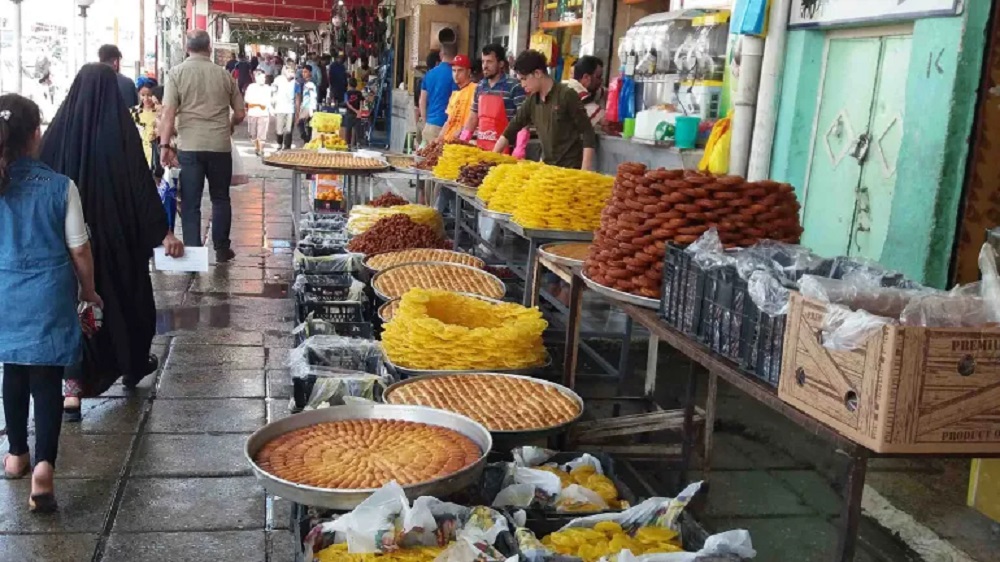
Palestine
In Palestine, the Ministry of National Economy has set a price cap for 15 essential commodities in shekels, including:
- Bread: 4.5 shekels ($1.25)
- Rice: 6–8 shekels ($1.70–$2.25)
- One liter of vegetable oil: $1.67–$2.22
- One kilogram of fresh veal: 60 shekels ($17.70)
- One kilogram of fresh lamb: 90 shekels ($25.00)
- One kilogram of slaughtered chicken: 17 shekels ($4.72)
A typical iftar meal for a middle-income Palestinian family consists of rice and chicken, along with stuffed vegetables (mahshi) and grape leaves, accompanied by soft drinks and traditional Ramadan beverages such as carob, licorice, lemon, and almond juice, as well as the famous qatayef dessert.
According to the Palestinian Consumer Protection Association, the cost of iftar for a family of four is around $30 per day, rising to $50 if lamb replaces chicken.
Over the entire month of Ramadan, food expenses range between $900 and $1,500 for a middle-income family.
Al Jazeera Net’s correspondent Awad Rajoub interviewed Ayman, the head of an eight-member household. Ayman described how, for the second consecutive Ramadan, he is facing extreme hardship amid war. Since losing his job in Israel following the war on Gaza that began on October 7, he has been surviving on credit from a local grocery store—until the shopkeeper recently stopped extending him further credit.
Ayman explained that while meat and chicken are expensive, staple foods such as oil, flour, tomatoes, potatoes, and cauliflower have seen relatively stable or declining prices. However, people like him simply lack the money to buy them.
Meanwhile, Hossam Mohamed, a wholesale trader in Ramallah, noted that some prices, such as those for oil, flour, and sugar, have dropped by up to 20% in recent months. However, purchasing activity remains weak due to a lack of cash flow.
This pattern of rising food prices and inflation extends across other Arab countries, including Algeria, Morocco, and Jordan. Each country faces unique economic pressures, but the overall trend remains the same: families are struggling to afford Ramadan meals, adjusting their food choices, and reducing expenses where possible.
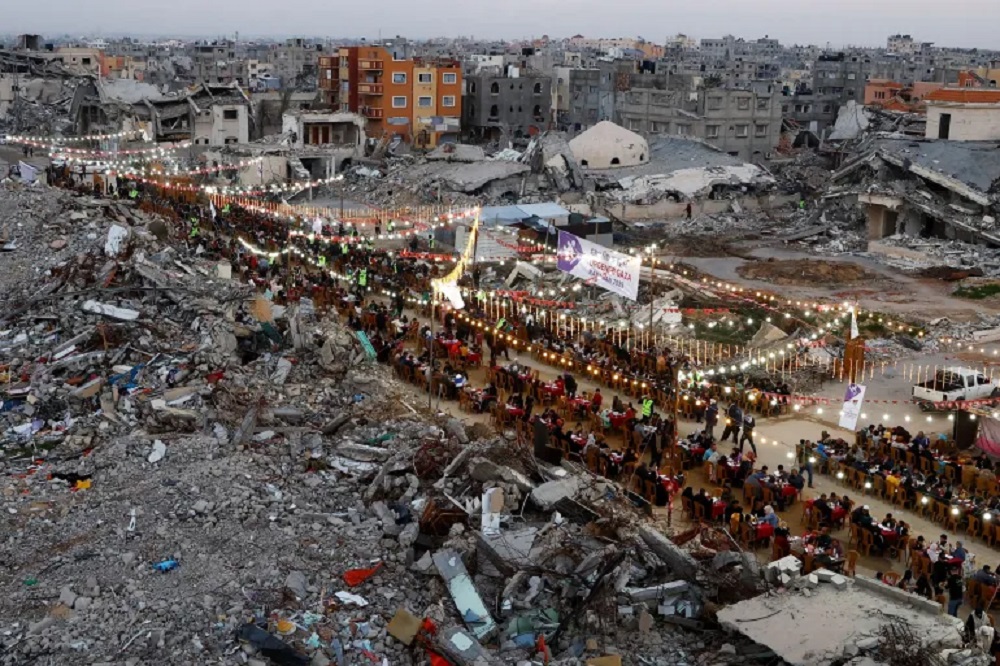
Algeria
The Algerian iftar table is known for its great variety, featuring numerous famous dishes from different regions of the country. It consists of staple traditional dishes that are present throughout the holy month, including frik soup (or harira), bourak (thin pastry stuffed with meat and cheese), sweet meat (a combination of dried fruits cooked with meat), and salads. Additionally, another main dish is served, varying from one region to another, with ingredients ranging from meat to fish and poultry.
Fadi Tamim Tamim, the national coordinator of the Consumer Protection Organization, told Al Jazeera Net that an average of 70,000 dinars ($517.54) is sufficient for a family of four to five people to spend Ramadan. If income is higher, spending may be more extravagant depending on individual financial capabilities.
As for the lowest cost of a meal, a person and their family in Algeria can break their fast for free throughout the 30 days of Ramadan due to the widespread communal iftar tables across the country, where volunteers and charitable organizations provide free meals.
Tamim pointed out that the abundance of products and early preparations, along with no market disruptions, have made this Ramadan better than the previous one.
Speaking to Al Jazeera Net’s correspondent Ilham Mohammed, he noted that vegetable prices this year are better compared to last year, despite a recent increase of 20 to 40 dinars ($0.15 to $0.30) due to rising demand.
The only price hikes were observed in potatoes, dates, and red meat, particularly imported lamb, which has remained price-capped since last year. The price of imported Spanish lamb has reached 2,200 dinars ($16.27) per kilogram, compared to 1,500–1,800 dinars ($11.09–$13.31), with traders being blamed for the increase.
Meanwhile, Mohammed, a family man, said he noticed plenty of products available at reasonable prices, allowing him to buy within his Ramadan budget. He added that anyone visiting the market in recent days would sense from the high demand that prices are affordable this year.
In terms of inflation, the rate fell to 4.9% in October 2024, down from 5.2% in September, according to the National Statistics Office. By the end of 2023, Algeria’s inflation rate stood at 9.32%, similar to 2022’s 9.27%.
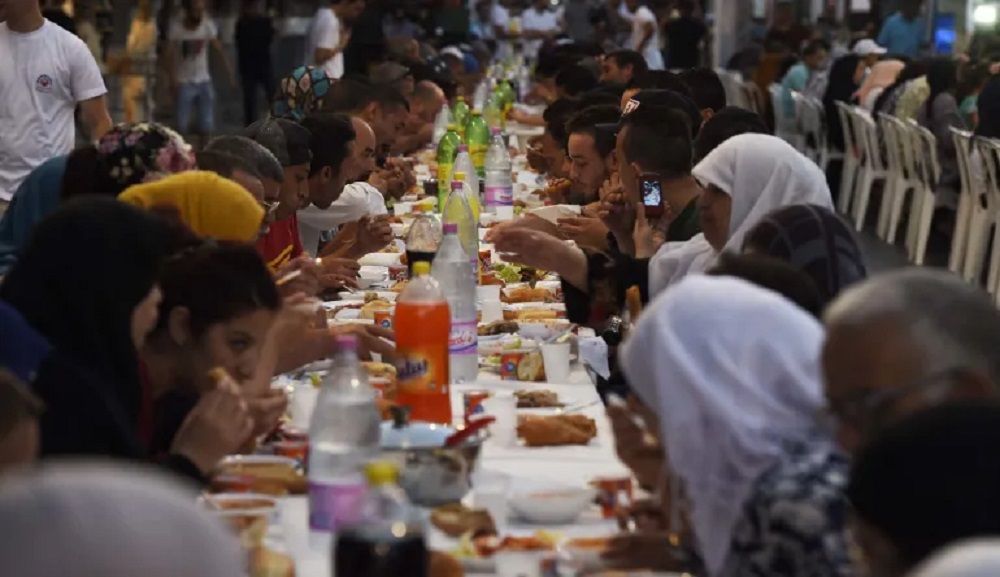
Morocco
Moroccans welcomed Ramadan amid a wave of price hikes affecting many staple foods on the Ramadan table.
Mohammed Al-Misawi, the head of a four-member household, began preparing a week in advance, purchasing food items, meat, fish, vegetables, and groceries to avoid the last-minute rush in the final week of Sha’ban.
Speaking to Al Jazeera Net’s Sanae Al-Kouiti, he said Ramadan expenses had drained his wallet. As a transport company worker earning 6,000 dirhams ($600) per month, he struggled to cope with the rising costs.
Despite recognizing the need to cut back on certain foods, he found it hard to change his family’s traditional Ramadan habits, wanting them to enjoy the same experience as in past years.
Bouazza Al-Kharrati, head of the National Consumer Protection Association, noted that what he called the “price tsunami” in Morocco began in late 2022.
He added that this year’s Ramadan is different due to the sharp price increase in protein-rich foods, including red and white meat, eggs, and fish, all of which are essential to Ramadan meals, making costs significantly higher.
The association conducted surveys in Rabat, Kenitra, Casablanca, Marrakech, Agadir, Oued Zem, Guelmim, and Ait Baha to assess iftar costs this Ramadan.
According to Al-Kharrati, daily iftar expenses range between 150 and 400 dirhams ($15–$40), translating to 4,000 to 12,000 dirhams ($400–$1,200) per month.
Household consumption spikes during Ramadan compared to other months. The Moroccan iftar includes harira soup, dates, pastries, chebakia sweets, sfouf, fish, meat or chicken, salads, juices, milk, tea, and savory snacks.
A March 2024 government report revealed that household spending increases by 18.2% in Ramadan, with food budgets rising by 17.8%.
The foods with the biggest spending surges include fish (57.7% increase), fruits (43.3%), eggs (35.7%), dairy (34.8%), and meat (26%).
Morocco’s annual inflation rate measured by the Consumer Price Index was 2.4% in 2024, down from 6.1% in 2023.
Jordan
Jordan’s annual inflation rate in January 2025 rose to 2.29%, up from 1.67% in 2024.
The Jordanian Consumer Protection Association told Al Jazeera Net’s Habib Abu Mahfouz that the minimum cost of a daily iftar for a Jordanian family is $35, while the upper limit is $653. This results in a monthly minimum of $1,000 and a maximum of $1,950.
The Jordanian iftar table typically includes rice with chicken (a staple dish), red meat, fish (to a lesser extent due to high prices), salads (tomatoes, cucumbers, lettuce), bread, and hot soup.
Before Ramadan, Jordanians rush to markets to stock up on essential foods, a period known as “Ramadan provisions”.
Hind Bani Huthail, a mother of five, said prices of essential foods have surged ahead of Ramadan. She highlighted chicken, vegetables, and staple groceries as the most affected items, urging government monitoring to prevent price exploitation.
Moeid Ghanem, a supermarket director, explained that food supplies are abundant, but prices vary significantly from last year due to regional instability affecting shipping in the Red Sea amid the war in Gaza.
Lebanon
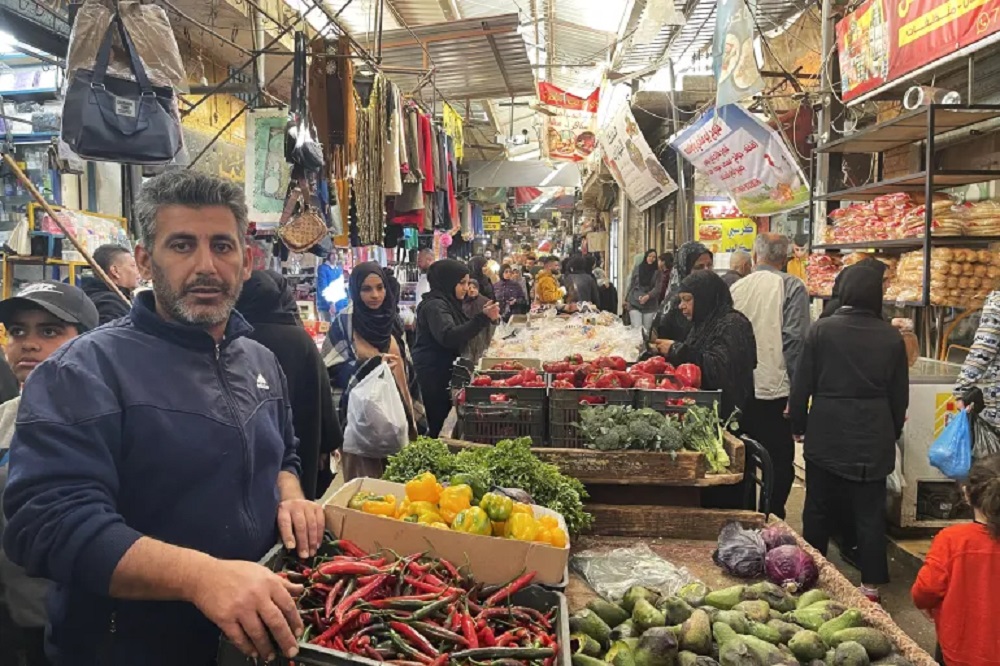
Lebanon faces severe economic challenges, further worsened by the latest Israeli aggression. These pressures intensify during Ramadan, straining household budgets amid soaring prices.
According to Lebanon’s Central Administration of Statistics, the annual inflation rate in 2024 was 45.24%, a notable drop from 221.3% in 2023, but inflationary pressures remain.
Despite these difficulties, Lebanese iftar traditions endure, featuring dates, soup, fattoush salad, and main dishes, though securing them has become harder due to price hikes.
Popular Ramadan products include sugar, rice, dates, jallab, soups, and pasta, with key prices as follows:
- Rice: $1.5/kg
- Cooking oil: $1.5/liter
- Soup packs: $0.50
- Dates (3 kg): $8
- Jallab syrup: $5–$5.50
- Pasta (3 packs): $1
Sudan
For the second consecutive year, Sudanese people enter Ramadan amid severe economic hardship, with many losing jobs, income sources, and assets due to war.
Sudan’s inflation dropped from 187.83% in December 2024 to 145.14% in January 2025.
Iftar costs range from 10,000–20,000 Sudanese pounds ($4–$8) per person. Many displaced citizens rely on charity kitchens (“Takayas”) for meals.
Meat is increasingly absent from Sudanese tables, with beef at 16,000 SDG ($6.5/kg), lamb at 20,000 SDG ($8/kg), and chicken at 12,000 SDG ($4.5/kg).