Trump and Netanyahu’s Upcoming Meeting: A Pivotal Moment for the Israel-Hamas Deal
Upcoming White House Meeting Aims to Address Ceasefire Progress, Hostage Releases, and Regional Stability
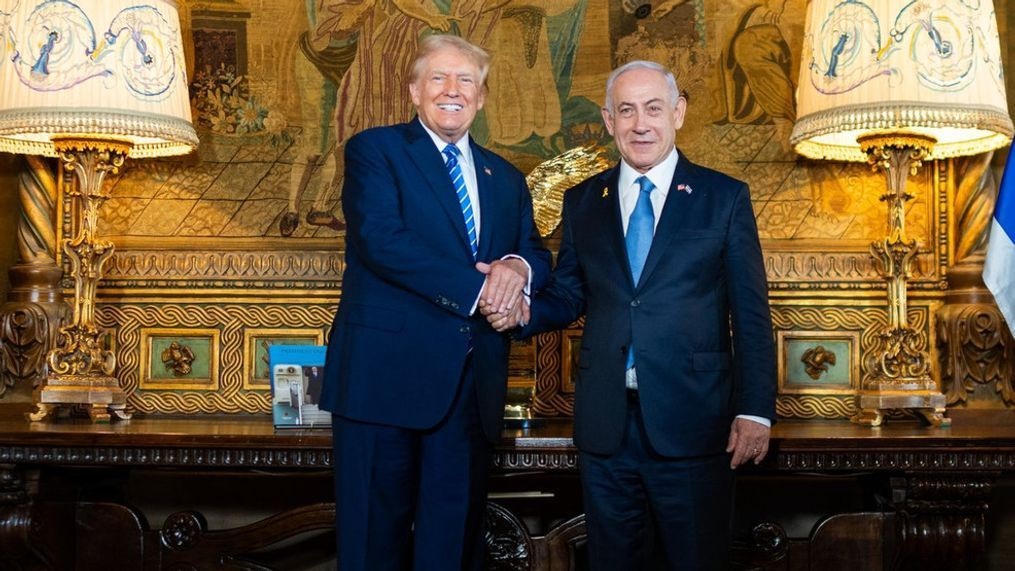
Watan-As the implementation of the initial phase of the agreement between Israel and Hamas continues, negotiations for the second phase are set to commence tomorrow, Monday. However, attention is focused on the following day, Tuesday, when U.S.
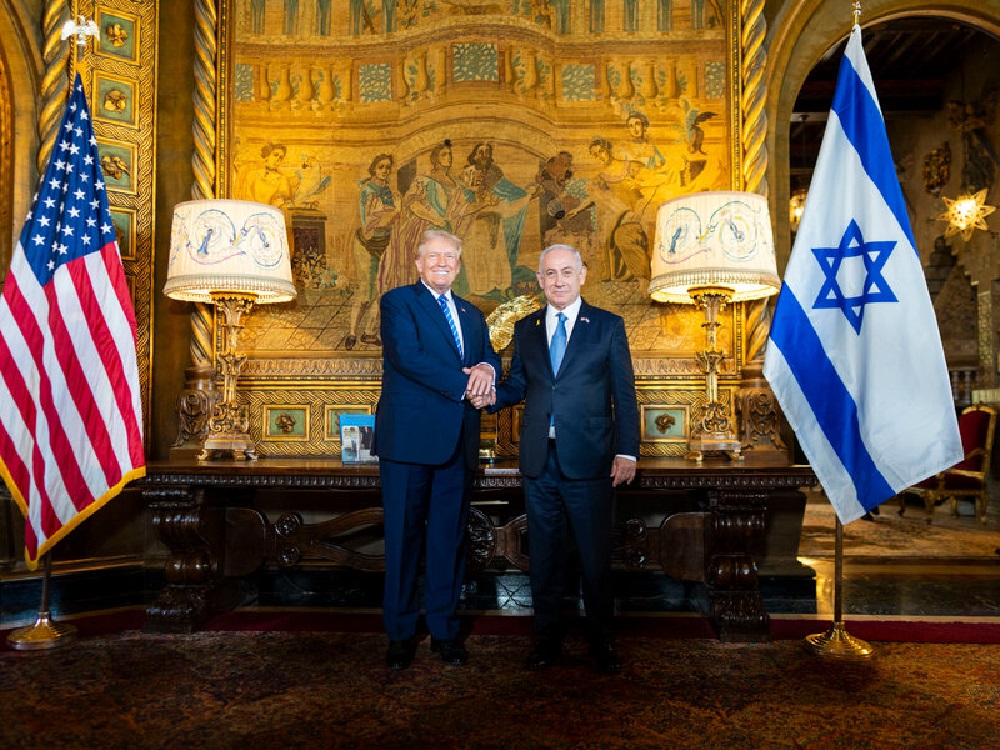
President Donald Trump is scheduled to meet with Israeli Prime Minister Benjamin Netanyahu—a meeting considered pivotal for the future of the agreement, the Gaza Strip, Hamas, and Netanyahu’s coalition.


From the outset, Netanyahu has been evasive regarding this agreement, unwilling to halt the war in hopes of toppling Hamas under the banner of “absolute victory.” He aims to avoid unsettling images that could threaten the cohesion of his highly nationalist ruling coalition, his prestige, and political future, aligning with the desires of his political partners who harbor open desires for revenge and ambitions to occupy the Gaza Strip and reestablish settlements there.
This agreement has been, and remains, a blow to Netanyahu and his coalition due to its significant impact on the consciousness of both Israelis and Palestinians, serving as a slap in the face given the substantial gap between Israel’s declared objectives and the agreement’s outcomes on the ground.
Netanyahu has successfully stalled the agreement multiple times, despite internal and external pressures. However, as the war dragged on, Palestinian resistance managed to endure and inflict damage on the Israeli army in the northern Gaza Strip in recent months.
This has led to increased criticism and questions about the persistence in a seemingly futile and brutal war lacking a political plan for the “day after” to replace Hamas as the governing authority in Gaza. The most significant change is the reentry of Trump into the scene with a different vision and set of priorities; he seeks to extinguish wars rather than ignite them, as stated in his victory speech about three months ago.
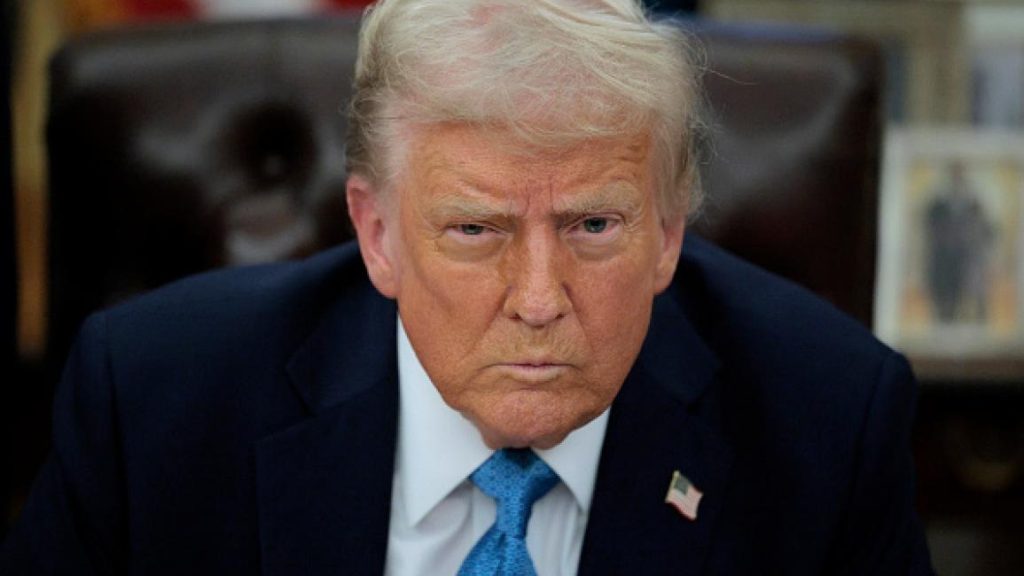
He is eyeing a major political deal in the Middle East, primarily involving Saudi Arabia in normalization efforts, which could yield significant benefits worth billions, and is also reportedly aiming for a Nobel Peace Prize, according to leaks from his associates.
There are increasing indications that Trump is keen on ending this war and finalizing the agreement between Israel and Hamas as a prelude to a larger political deal, allowing him to focus on more pressing issues such as the significant economic competition with China and other international challenges, as well as domestic American concerns. He is known for his isolationist tendencies, as evidenced during his first term.
Contrary to the expectations of the Israeli government, Washington’s stance has shifted unfavorably for Tel Aviv since Trump’s reelection, as reflected in his statements and positions. When he threatened with “hell,” it was not a warning of a fierce war against Hamas but a threat to all parties, signaling his strong desire to close this file. The picture became clearer when Trump shared a post by an American academic criticizing Netanyahu and accusing him of attempting to drag the United States into a war with Iran, similar to how it was drawn into the Iraq war over two decades ago.
This shift in the American position has forced Netanyahu to reluctantly accept the agreement and cooperate in its implementation, leading to the resignation of National Security Minister Itamar Ben-Gvir and his party from the ruling coalition. Finance Minister and leader of the “Religious Zionism” party, Bezalel Smotrich, has threatened to resign if Israel does not resume the war on Gaza.
Between Two Pressures
Netanyahu will find himself, on the upcoming Tuesday, facing both internal and external pressures. Trump, despite sharing the official Israeli view of not keeping Hamas in power in Gaza, is very interested in completing the agreement and ending the war. Unlike the previous administration, which boycotted Ben-Gvir and Smotrich, Trump’s Middle East envoy, Steve Witkoff, found it appropriate to meet with Smotrich in an attempt to contain and strengthen the chances of keeping Netanyahu’s coalition intact. This aligns with the language of the invitation extended to Netanyahu to visit Washington, which used affectionate terms, with Trump expressing his pleasure in hosting Netanyahu as the first foreign leader at the White House in his newly begun second term.
The U.S. administration is expected to offer a package of gifts and incentives to the Israeli government in exchange for halting the war and climbing down from the high tree it has ascended. These may include normalization with Saudi Arabia, addressing the Iranian nuclear threat, curbing the International Criminal Court, a bilateral U.S.-Israeli alliance agreement, and more advanced weaponry. These incentives provide Netanyahu with an opportunity to persuade his coalition partners to accept ending the war without achieving its declared objectives, especially concerning Hamas.
Hardliners within the Israeli government might accept these American offers and promises, but some extreme elements warn against this, viewing these promises as mere birds in the bush. They prefer to seize a bird in hand by resuming the war on Gaza and besieging it until Hamas is overthrown.
Open Questions
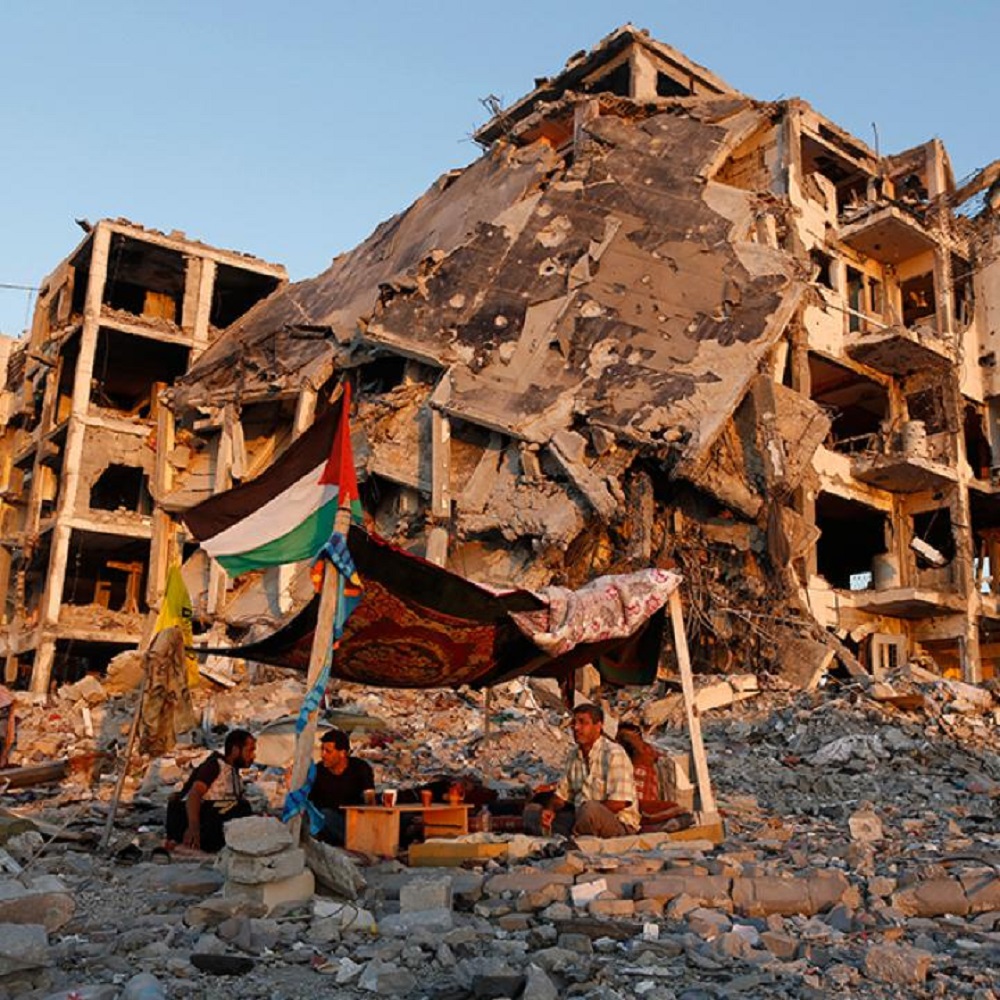
Nevertheless, open questions remain that this White House meeting might resolve, such as: What will Trump offer Netanyahu? To what extent is Trump interested in Netanyahu’s political survival? How can the war end while Hamas still exists? Will the reconstruction of Gaza be conditional on Hamas stepping down from the official political stage or disarming? What is the stance of concerned Arab countries, neighboring states, and the Palestinian Authority in this regard? Is there an “out-of-the-box” solution that satisfies all parties through an agreement on a technocratic government or a national Palestinian government that includes both Hamas and the Authority?
In an attempt to analyze these questions and possible scenarios, political affairs analyst for “Haaretz” newspaper, Yossi Verter, believes that Netanyahu will meet in Washington with an old friend who is disappointed in him, noting that the meeting could end in various ways.
Verter states: “There is no justification today to bet on what Trump will say to Netanyahu on Tuesday,” adding, “But judging by statements made in Washington over the past week among Trump’s associates and a prominent Israeli figure, the expected direction is as follows: Trump will tell Netanyahu, ‘Dear Netanyahu, end the war, finalize the deal, and release 82 hostages, then we can focus on the truly grand deal, the crown jewel, an agreement with Saudi Arabia.'”
Verter does not rule out that Netanyahu’s imminent visit to Washington could indeed be “historic,” determining the fate of the agreement and the government.