Israeli Military Leaks Expose Gaza War Deception and Failure of “Operation Gideon’s Chariots”
Israeli army leaks expose unplanned Gaza offensives and warn of a prolonged, costly war with no clear victory.
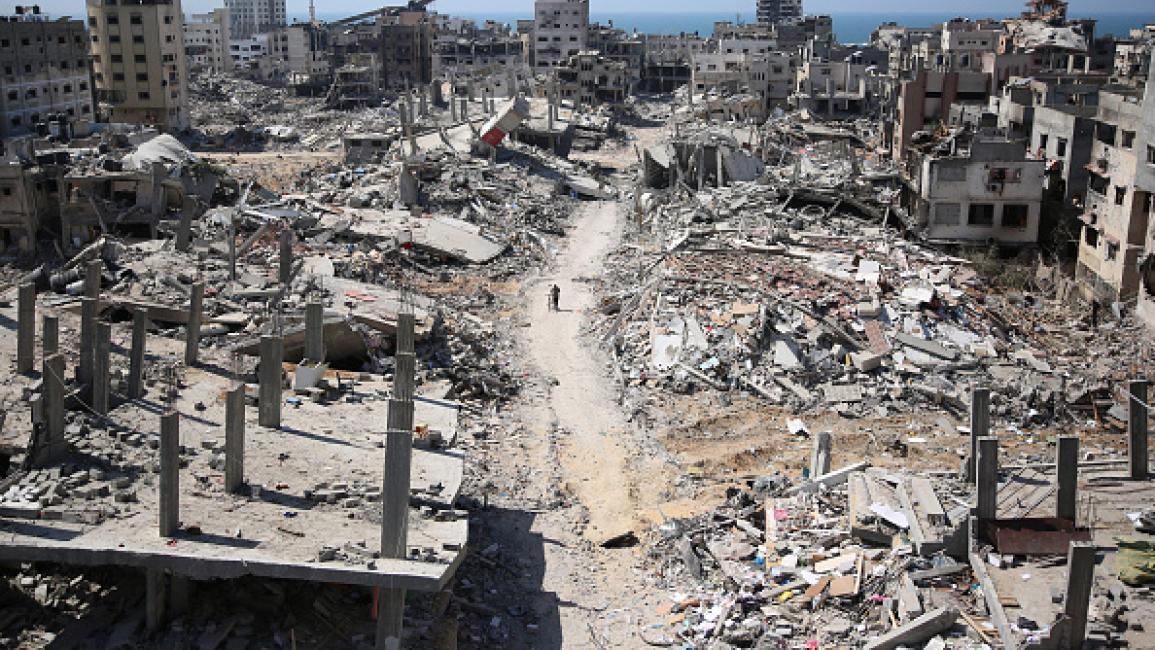
Watan-The Hebrew news outlet Ynet reveals data and testimonies from military commanders that Israeli political leadership has allegedly ordered the military to suppress. These testimonies indicate that the operations “Courage and Sword” and “Chariots of Gideon” were never planned for implementation in 2025. Field military sources say the Israeli authorities are marketing lies to the public and warn that the war may drag on for five years with no real results.
According to Ynet, these sources assert that the occupying forces are advancing slowly inside the Gaza Strip out of fear of casualties, and that Hamas still maintains complex tunnel networks near border area 45.

Conversely, these same sources warn that “withdrawing from the Morag Axis would harm achievements and make future combat more difficult.”
Ynet further reports that the financial dispute between Israel’s Ministry of Finance and the security establishment over an additional 60 billion shekels in war funding has, almost incidentally, revealed one of the most openly concealed secrets within army and government circles: the planning of Operation Chariots of Gideon.
The site explains that the operation was not supposed to bear that name and was initially meant to continue fighting in Gaza after the early 2025 ceasefire. A new hostage deal between Israel and Hamas, based on the earlier partial agreement, was expected at the turn of 2024 to 2025.
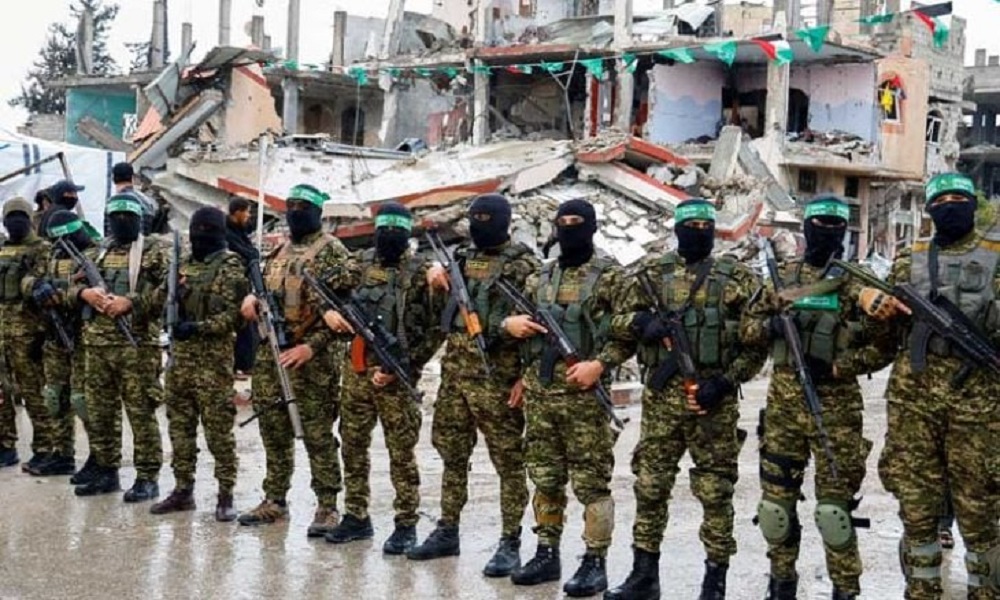
Artificial Extension Against Plans
According to Ynet, citing Israeli military officials, Chariots of Gideon—like any major ground offensive—requires a specific budget, which was not included in the 2025 state budget. Aside from the financial shortfall, military sources admit that the operation, particularly in its extended form, was not part of the 2025 military plan either.
The military had scheduled only two and a half months of concentrated service for each reserve combat soldier. Promises had been made to brigade and battalion commanders and reservists that 2025 would be a year of stabilization in Gaza, following over a year of exhausting warfare since October 7. It was meant to be a period of recovery and rebuilding for both the army and the public.
However, Ynet notes that those promises were broken, and thousands of additional reservists were recruited for another round of combat, including a return to Gaza.
During the period of conflict with Iran, around 150,000 reservists were mobilized. After a recent withdrawal last week, around 100,000 remain on active duty.
A Broader Combat Phase
Chief of Staff Herzi Halevi reportedly stated during his March inauguration that Israel had failed to achieve one of the war’s main goals: defeating Hamas. He also warned of a prolonged, multi-phase war of attrition.
By mid-March, the Southern Command—restructured with a new commander, Major General Yaniv Assur—planned a fresh ground offensive on political orders, hoping this time would be different. Just six days after Assur took over from Yaron Finkelman, on March 18, Israel resumed hostilities against Hamas, launching Operation Courage and Sword, which eliminated dozens of Hamas leaders in a surprise air campaign. Hamas claimed the bombing killed over 400 non-combatants within hours.
The political leadership reportedly instructed the army to rely primarily on young regular troops and to minimize casualties, even if it meant slower combat that could take months. By May, Courage and Sword transitioned into a broader combat phase, now officially labeled Operation Chariots of Gideon.
Where Are They Fighting?
Ynet reports that the army activated four or five division-level commands during this ground operation phase, suggesting that tens of thousands of troops were active in Gaza. However, on the ground, movement was far more limited than described. Instead of deploying entire divisions, the army sent small brigade-level combat units under divisional command, unlike the major maneuvering operations between November 2023 and mid-2024.
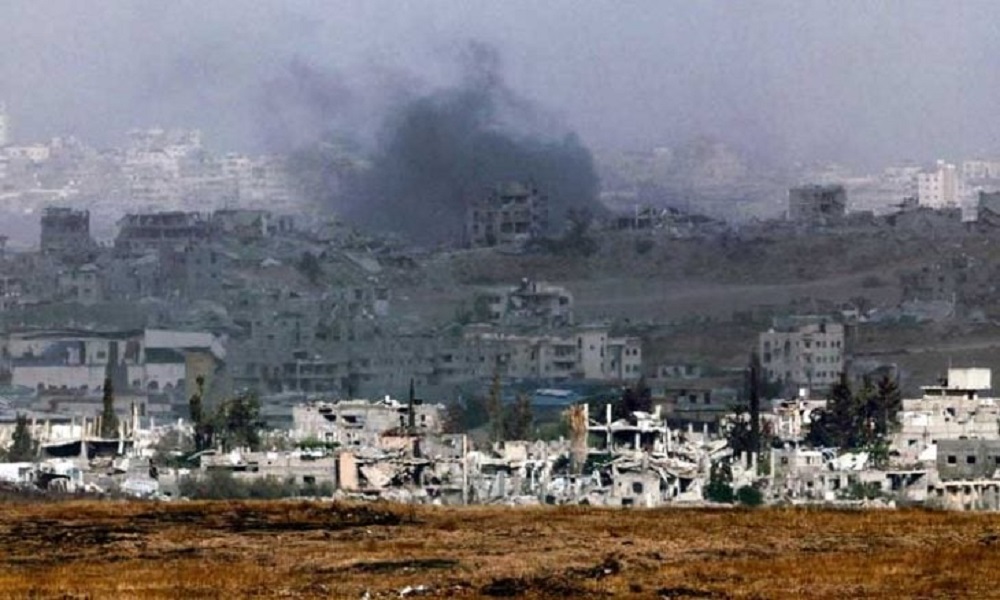
The Givati Brigade’s Activity
The choice to use primarily regular forces stems from the severe exhaustion faced by civilian reservists, many of whom had returned to service. The report grimly states that the “cost” of losing a 20-year-old soldier is always perceived as lower than losing a 30-year-old reservist with a career, young family, and children.
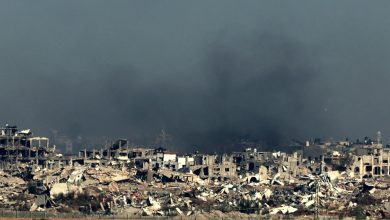
Young conscripts also reportedly complain less than reservists and follow orders more readily. Due to manpower limitations, the army concentrated ground operations in a few specific Gaza areas: remaining parts of Rafah (the longest-running battle zone), Jabalia near the border, small towns like Atatra near Zikim beach, and Gaza City’s eastern neighborhoods—Shuja’iyya and al-Tuffah, near Kibbutz Kfar Gaza and Mefalsim. Combat was also reported in parts of Khan Younis, Gaza’s largest city, particularly in its eastern districts close to the border and Israeli settlements such as Nir Oz and Kissufim. The army also re-entered the European Hospital in Khan Younis and shut it down.