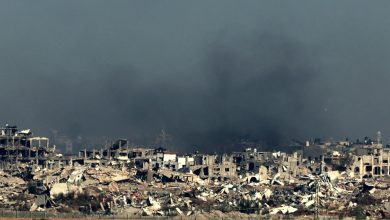
UAE and Israel Push for Division in Syria Through Druze Mobilization
Coordinated moves involving Druze leadership, secret visits, and political agitation reveal a joint Emirati-Israeli strategy to reshape post-Assad Syria.
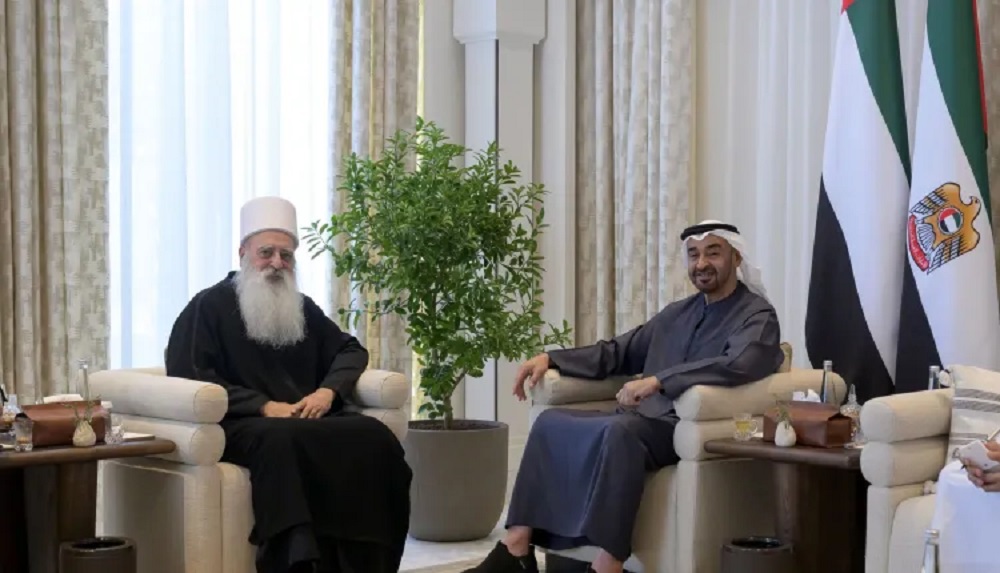
Watan-The recent developments in southern Syria, especially among the Druze community, reveal the outlines of a complex regional project in which the UAE and Israel are closely intertwined. Their goal appears to be redrawing spheres of influence in Syria after the fall of Bashar al-Assad and the rise of an Islamic-oriented Salvation Government in Damascus.
At the heart of this project are a series of political and security events, most notably UAE President Mohammed bin Zayed’s reception of Sheikh Mowafaq Tarif, the spiritual leader of the Druze community in Israel, followed by his reception of Sheikh Hikmat al-Hijri, the Druze leader in Syria—who has been linked to efforts to promote the Druze secession from Syria as part of a broader partition plan.


On March 14, 2025, around 100 Syrian Druze clerics crossed the ceasefire line in the occupied Golan Heights, marking the first visit of its kind to Israel in decades.
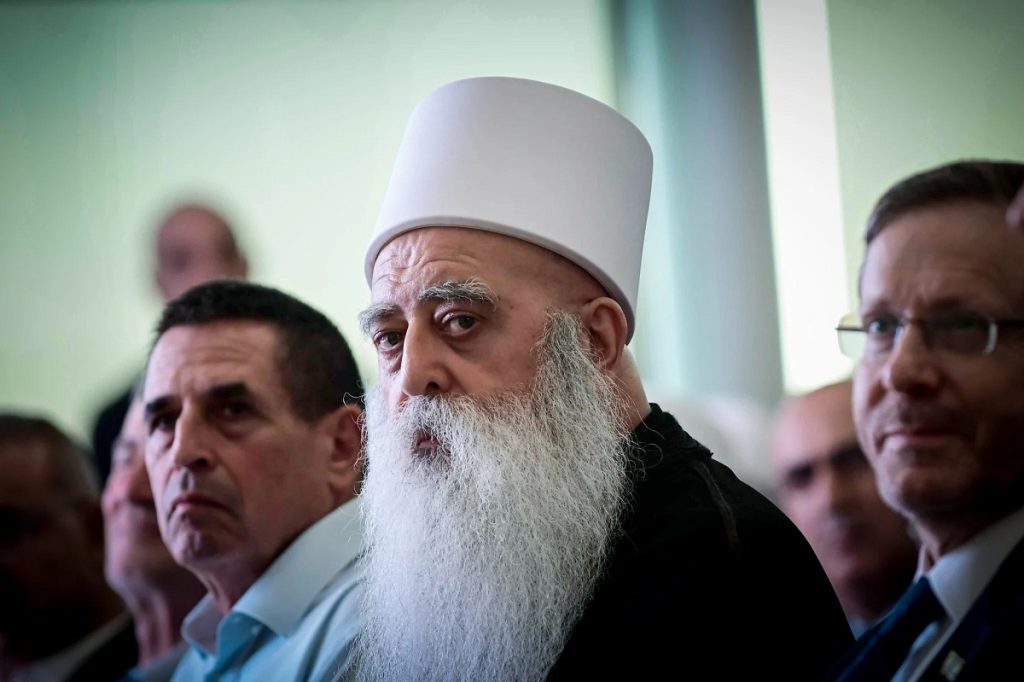
This visit, initiated by Hikmat al-Hijri and requested by Mowafaq Tarif, took place under Israeli army protection. Although Tarif later claimed it was purely religious, it clearly had political implications. The Druze delegation openly declared rebellion against the new Damascus government and requested protection from Israel.
UAE and the Druze Card
The visit coincided with intense UAE activity in establishing connections with Druze leadership. In December 2024, Mohammed bin Zayed received Sheikh Tarif in Abu Dhabi under broad themes like “coexistence” and “cultural dialogue.”
However, critics of the UAE regime view this meeting as part of a covert role in sabotaging Syria’s new revolution and encouraging separatist enclaves, especially in the south, where the Druze are concentrated.
These suspicions were reinforced when Tarif made another discreet visit to the UAE in March 2025 to sign a memorandum of understanding with the “Trends Research & Advisory” center, which Syrian opposition sources describe as an intelligence front used to coordinate with Syrian minorities—particularly the Druze.

UAE media appeared to justify this activity. Al-Arab, a UAE-funded newspaper based in London, defended the Syrian Druze clerics who visited Israel, claiming it was unfair to accuse them of treason and that the Druze community was merely seeking “safety” after being denied cultural