Muslim Women Journalists Face Deep Discrimination in UK Media, New Report Reveals
Toxic newsroom culture, Islamophobia, and emotional toll from Gaza war coverage push many to consider quitting journalism.
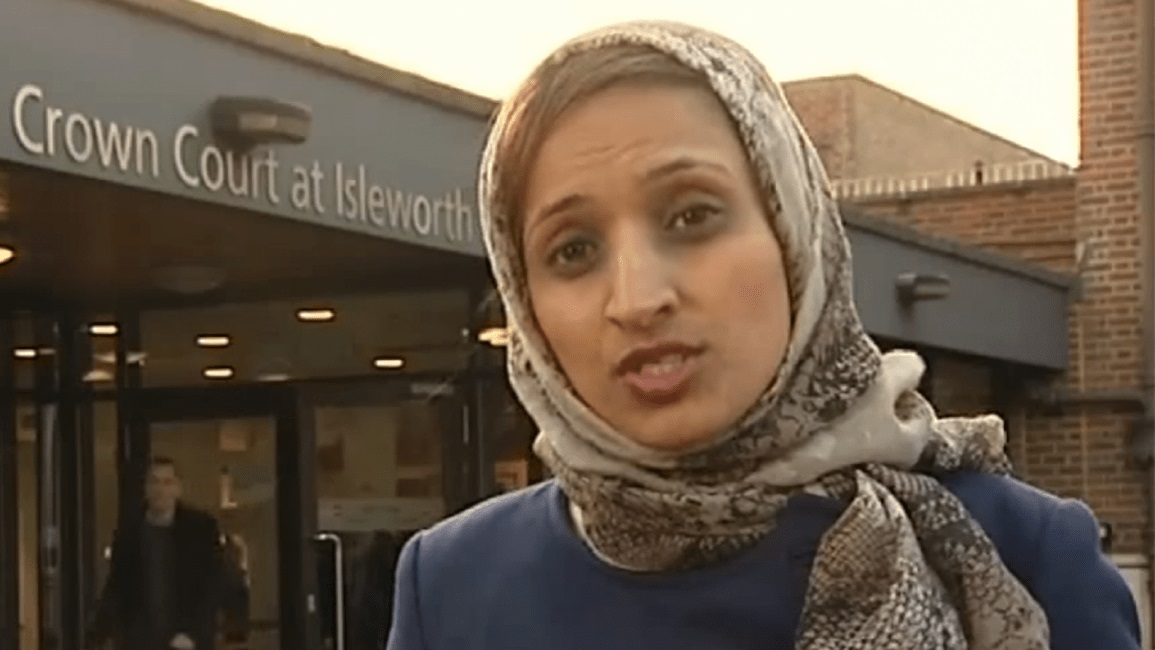
Watan-A new study has revealed entrenched discrimination against Muslim women journalists in the British media industry, uncovering toxic workplace cultures, limited career progression, and emotional strain when covering conflicts like the Israeli assault on Gaza. The report, produced by the Media Monitoring Centre and titled “Muslim Women in the Media: Breaking Barriers and Bearing the Burden”, is based on anonymous responses from 102 Muslim women working across print, broadcast, and digital media in the UK.
The study found widespread Islamophobia, stereotyping, and structural exclusion, which has led many participants to question their future in journalism. 92% of respondents reported that negative attitudes toward Islam and Muslims are embedded in media institutions, while 72% said they experienced direct discrimination due to their Muslim identity. Furthermore, 85% stated that covering the assault on Gaza harmed their mental health, prompting many to rethink their career paths. About 60% of the women surveyed said they had considered leaving journalism entirely.


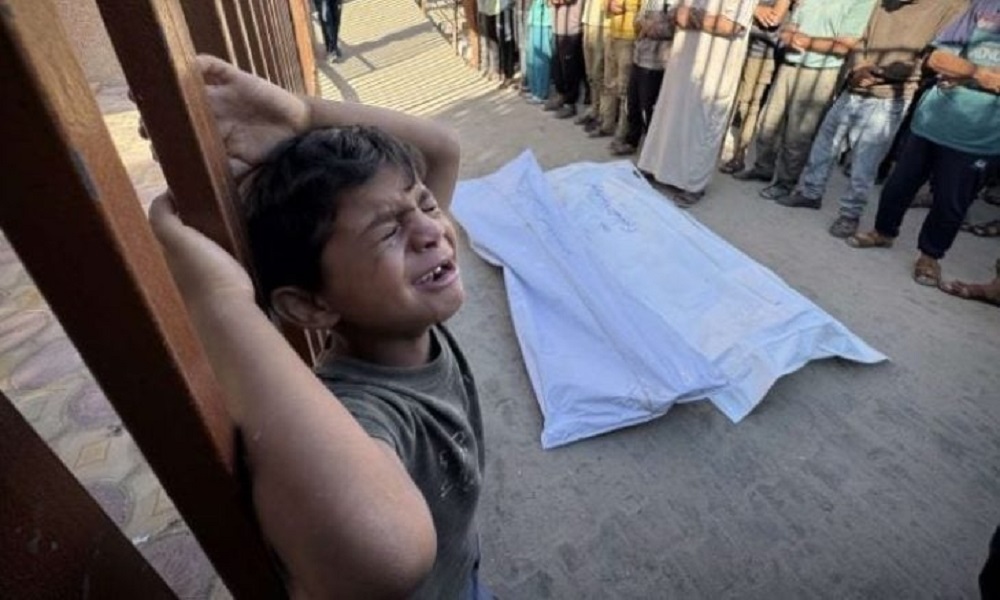
The Paradox of Visibility and Exclusion
The report highlights the paradox faced by Muslim women in media—being highly visible due to diversity campaigns yet simultaneously excluded. Many reported being confined to “Muslim stories” and denied roles in editorial decision-making. Others said they were completely excluded from key decisions. Visible expressions of faith, such as wearing the hijab, were linked to higher levels of stereotyping and marginalization. According to the report, 81% of participants believe Muslim women are still unfairly represented in media content. Over one-third (35%) expressed dissatisfaction with their roles, citing discrimination and a lack of professional growth.
Gaza Coverage Deepens the Crisis
Coverage of the Israeli war on Gaza served as a major flashpoint. Over 85% of respondents said newsroom coverage of the war negatively impacted their mental health. Some described the coverage as “directly lifted from the Israeli military’s playbook.” Many said their editorial concerns were ignored, leading one participant to describe the atmosphere as a “wall of silence.”