Putin Capitalizes on U.S. Chaos as Trump Cuts Off Ukraine
With Trump halting intelligence support to Kyiv, Putin seizes a golden opportunity to escalate military operations, reshaping the balance of power in Eastern Europe.
mid rising tensions between Moscow and European capitals, Russian officials have warned that the European Union is moving toward a potential military confrontation with Russia.
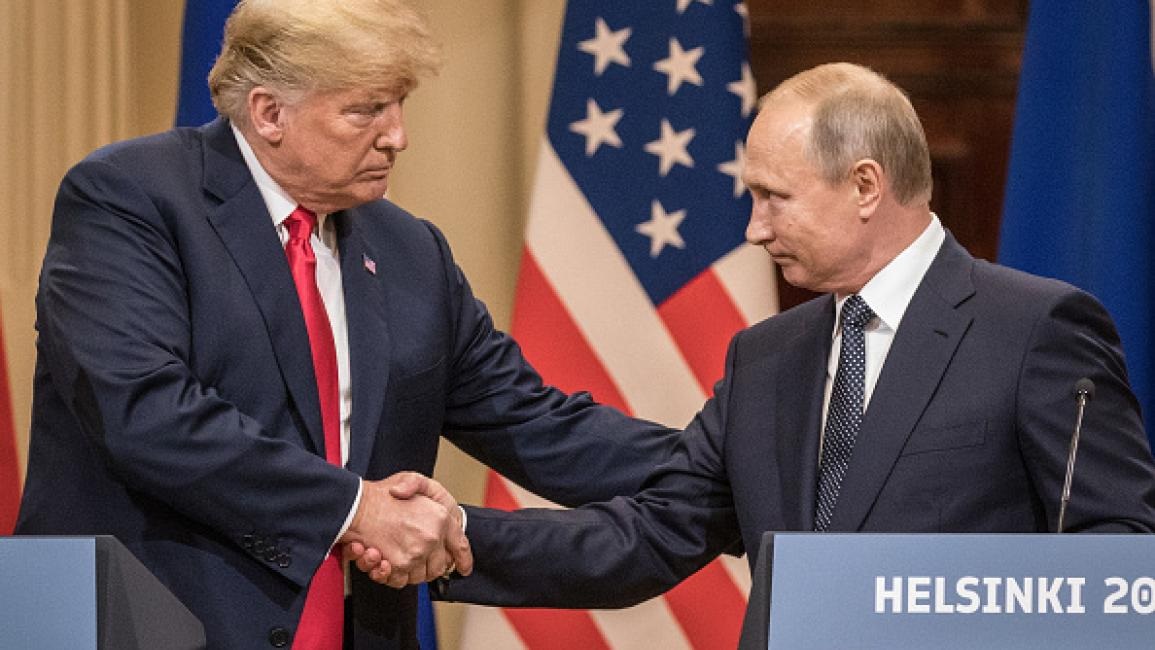
Watan-As U.S. President Donald Trump disrupts international policy, Russian President Vladimir Putin appears to be securing an unexpected political victory amid the ongoing Russia-Ukraine war. With intense battles raging, Washington’s decision to withhold intelligence from Kyiv has handed Moscow a golden opportunity to intensify its military operations and gain ground.
Trump Pressures Ukraine, Putin Seizes the Moment
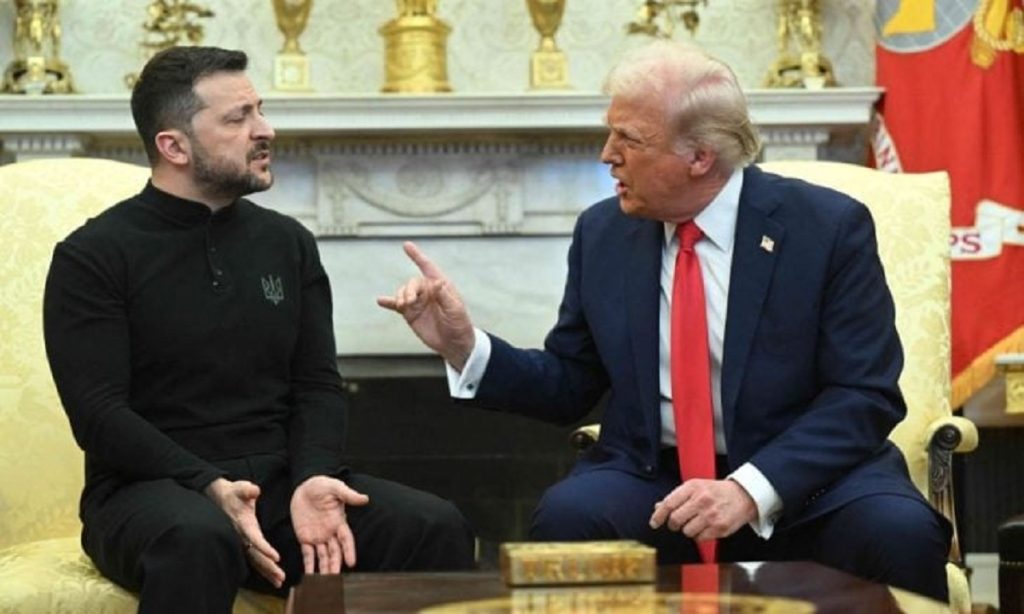
Since the start of the war, U.S. intelligence has played a critical role in supporting Ukraine, providing real-time data on Russian troop movements and enabling precision strikes. However, Trump’s recent move to cut off this vital intelligence flow has left Ukrainian President Volodymyr Zelensky in a vulnerable position, struggling to anticipate Russian advances—causing visible disarray within Ukraine’s military ranks.
Trump justifies this decision as part of his strategy to end the war, but many see it as a pressure tactic aimed at forcing Kyiv into a settlement favoring U.S. interests. Meanwhile, Russia is exploiting the situation, escalating attacks using heavy artillery, drones, and ballistic missiles to reclaim lost territory.
Trump-Zelenskyy meeting
Can NATO Allies Fill the Intelligence Gap?
With Washington stepping back, Zelensky is turning to NATO allies such as Britain and France to compensate for the loss of U.S. intelligence support. But the key question remains: Can these allies effectively replace the U.S. role?
Putin’s Gains Amid U.S. Political Turmoil
Internal divisions within the U.S. administration are playing directly into Putin’s hands, strengthening Russia’s position in future peace negotiations. As Washington becomes increasingly preoccupied with domestic conflicts, the Kremlin continues to expand its influence, reshaping the balance of power in Eastern Europe.
Some analysts believe these shifts in U.S. policy could mark the beginning of the end for America’s global leadership, especially if Trump continues to pursue strategies that favor Russia at the expense of traditional U.S. allies.
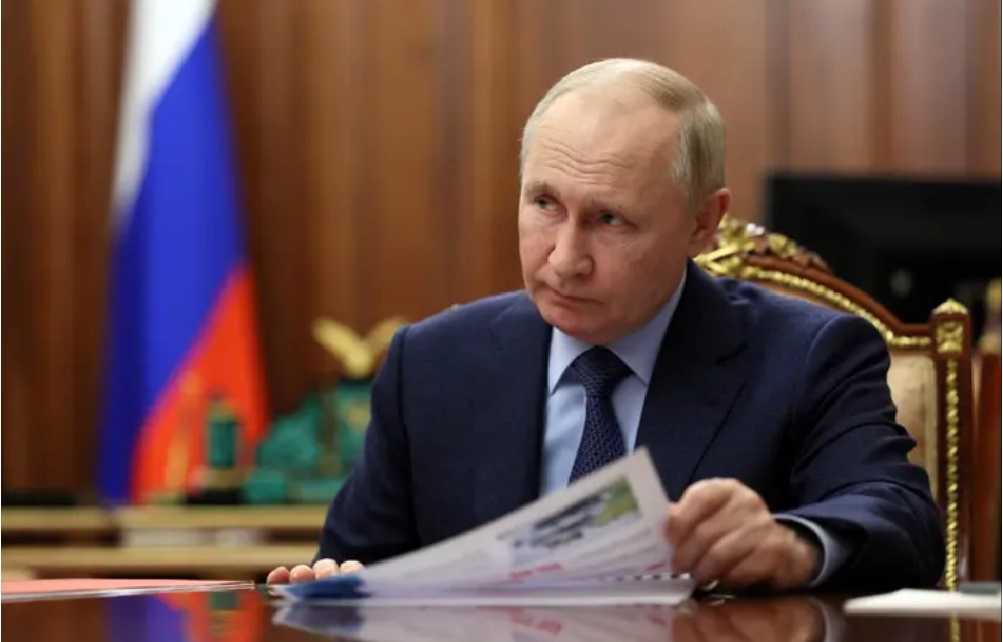
Vladimir Putin
A Global Strategic Shift in the Making?
As these developments unfold, a critical question emerges: Is Trump’s move a temporary political maneuver, or is the U.S. fundamentally reshaping its global alliances? One thing is clear—Putin is the biggest winner in this geopolitical turbulence, while Ukraine faces an uncertain future alone.