Walid Jumblatt Rejects Israeli Claims of Protecting Syria’s Druze, Warns of Manipulation and Sectarian Instigation
Lebanon’s Druze leader accuses Israel of exploiting sectarian tensions in Suwayda and warns against repeating Lebanon’s civil war mistakes.

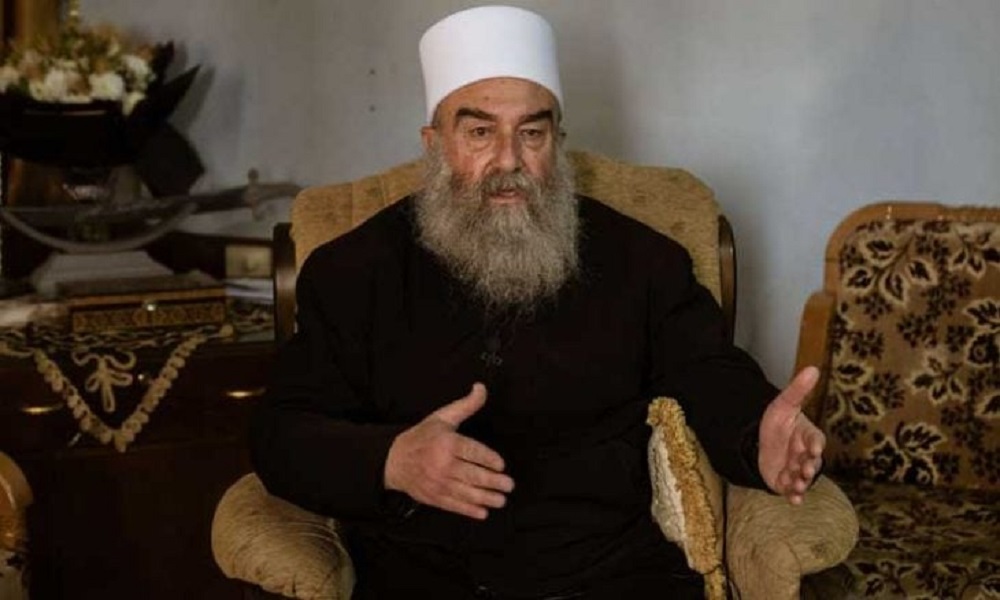
Watan-Lebanese Druze leader Walid Jumblatt stated on Wednesday that Israel is not protecting the Druze community in Syria’s southern Suwayda province, warning against those he described as “weak-minded individuals” who fall for Israeli propaganda.
Jumblatt, the former head of Lebanon’s Progressive Socialist Party, made the remarks during a phone interview with Syrian state television.“Israel does not protect the Druze in Suwayda,” he said. “It merely uses some weak-minded people to claim it does.”


He added that certain individuals—whom he did not name—had taken advantage of the violations and attacks that occurred over the past two days.
Jumblatt drew parallels to Lebanon’s past:“One of the causes of the Lebanese civil war (1975–1990) was Israel’s claim that it was protecting certain factions. That ended in disaster.”
He emphasized ongoing communication with Syrian Foreign Minister Asaad al-Shibani and Interior Minister Anas Khattab, saying:“We are working to ease tensions, and the central role in that effort belongs to the Syrian leadership.”“We must deny opportunists their chance and open a broad dialogue with Suwayda’s societal actors,” he concluded.
Jumblatt’s comments came the same day that the Israeli army launched a new wave of airstrikes on Syria, targeting over 160 sites across Suwayda, Daraa, Damascus, and Rural Damascus. Syria’s Ministry of Health reported three deaths and 28 injuries, including civilians, due to strikes in central Damascus.
On Monday, Syrian army units entered Suwayda to restore order following violent clashes between Druze and Bedouin militias, which left dozens dead.
Israel has repeatedly justified its involvement in southern Syria by invoking a supposed duty to protect the Druze, an argument many in Syria and Lebanon reject.
Earlier this week, a joint statement by leading Syrian Druze figures reaffirmed their rejection of foreign intervention, their commitment to Syrian territorial unity, and their opposition to separatist agendas.
Despite this, Israel continues near-daily air raids on Syria, hitting military and civilian infrastructure and killing numerous people. Since 1967, Israel has occupied the Golan Heights, and following the 2024 ousting of Bashar al-Assad, it has expanded its control over the Syrian buffer zone, taking advantage of the post-uprising instability.

-
Jumblatt’s warning reflects deep Druze skepticism of Israeli intentions, especially given the historical role of Israel in exacerbating sectarian divisions during Lebanon’s civil war.
-
The timing of Israel’s airstrikes and the targeting of Suwayda, a historically Druze stronghold, further complicates Israel’s claim of acting in protection of the community.
-
By invoking past trauma, Jumblatt aims to rally regional Druze unity, promote dialogue with the Syrian government, and resist foreign manipulation, particularly by powers with occupation interests.
-
Ahmed Al-Sharaa’s new Syrian government, which has not threatened Israel militarily, continues to suffer from ongoing Israeli strikes, suggesting Tel Aviv’s strategy is driven more by territorial and political calculus than defense.