Netanyahu Faces Coalition Crisis Over Draft Law as Election Scenarios Loom
Ultra-Orthodox Parties Threaten to Collapse Government if Military Conscription Law Isn’t Passed Before Knesset Recess.

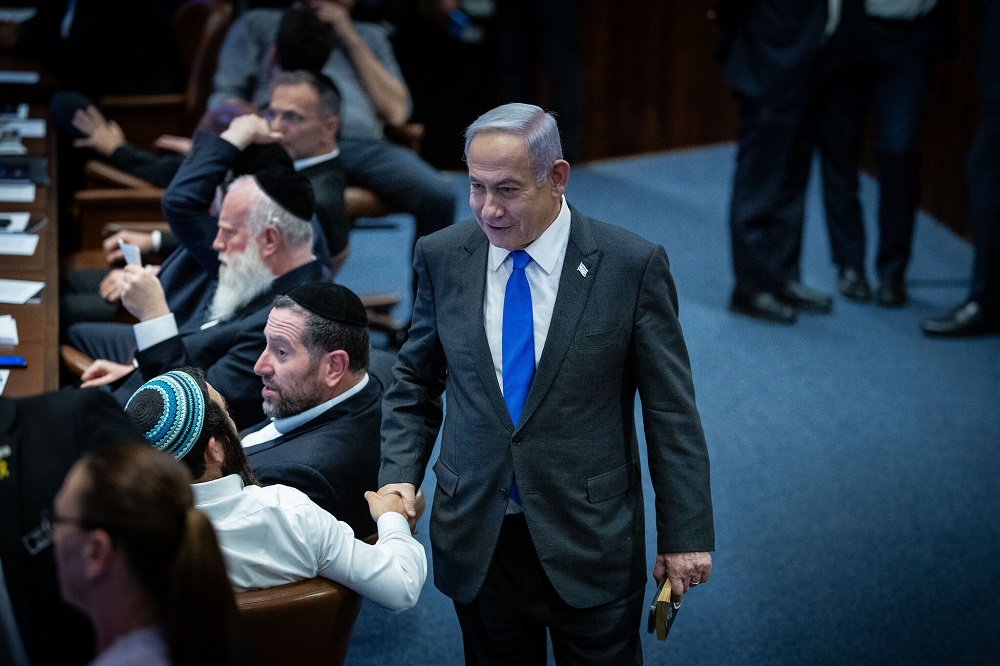
Watan-Israeli Prime Minister Benjamin Netanyahu returned from Washington to Tel Aviv following intensive meetings with U.S. administration officials, including President Donald Trump, to find awaiting him a bundle of unresolved files, foremost among them the draft conscription law demanded by the ultra-Orthodox parties to be passed during the current Knesset session, which ends in about two weeks.
According to Maariv newspaper on Sunday, the chances of passing the conscription law in its second and third readings in the Knesset plenary during the current and upcoming week “may not be impossible,” although it is “very difficult.”

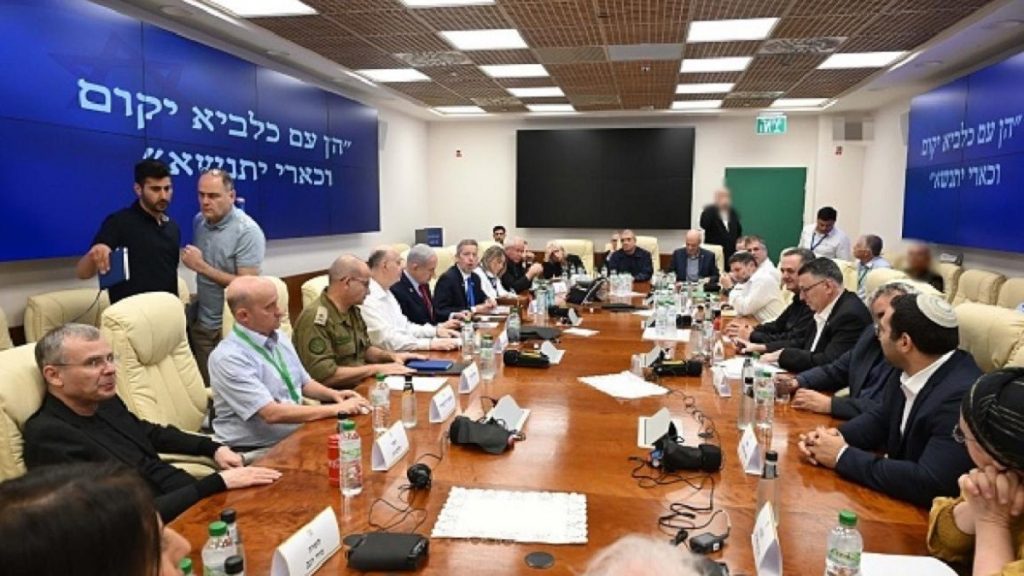
Prior to these developments, the Chairman of the Foreign Affairs and Security Committee, Likud MK Yuli Edelstein, delayed bringing the draft law to his committee’s table. This delay “was coordinated with Netanyahu,” the newspaper revealed, noting that Edelstein’s supporters within Likud were surprised to discover this fact only recently. The fate of the conscription law now depends on whether Netanyahu is considering early elections soon or not.
According to coalition sources cited by the paper, Netanyahu waited to see what outcome his U.S. visit would yield before deciding whether it is suitable to hold elections in three months or to wait longer.
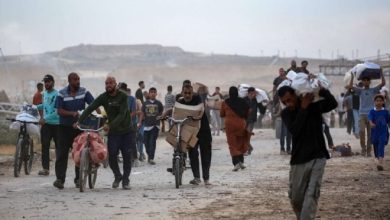
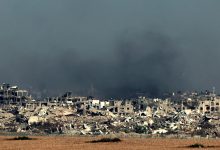
If he decides to hold early elections, the timing would be far from ideal, especially since they would coincide with the second anniversary of the outbreak of the genocidal war on the Gaza Strip on October 7, 2023. Broad sectors in Israel hold Netanyahu’s government responsible for the reasons that led to the war’s outbreak and the failure to prevent the Al-Aqsa Flood operation, during which fighters from the Al-Qassam Brigades breached the border and reached settlements in the Gaza envelope area.
Despite this, the law to dissolve the Knesset will not pass in the current session. If the conscription law does not pass within the next two weeks, the ultra-Orthodox parties threaten to unleash chaos within the coalition. Their punitive measures would go beyond boycotting the vote in the plenary to acts of rebellion and non-compliance with the coalition in Knesset committees, which would paralyze the coalition even during the recess ending in the second third of October.
The ultra-Orthodox parties claim that if the law is not passed within the next two weeks, they will dissolve the Knesset. However, sources within these parties told the newspaper that if the draft law is brought to the Foreign Affairs and Security Committee table—even if that happens on the eve of the dissolution of the Knesset in the upcoming session—they would take the draft and push it forward so that the conscription law becomes the first law voted on by the plenary in final readings. “But that will depend on the stance of the other coalition partners.”
If the conscription law does not pass, the newspaper suggests Netanyahu will likely avoid early elections in the near two weeks. Coalition circles expect the dissolution of the Knesset to take place between October and December, with elections organized between February and March next year.
On the other hand, the ultra-Orthodox parties prefer, according to the paper, that elections be held by mid-March, as this period coincides with the religious students’ vacation between the Jewish holidays of Purim and Passover, allowing them to participate fully in the election campaign. However, the end of March may be a “problematic” period for them due to its proximity to the holiday. According to a senior ultra-Orthodox party leader quoted by the newspaper, “The upcoming elections will be held between the two holidays (Passover and Purim).”