
Syria’s New Government Investigates Assad’s Billionaire Allies in Anti-Corruption Drive
The new Syrian leadership is targeting powerful businessmen linked to Bashar al-Assad, freezing assets and launchin.gThe new Syrian leadership is targeting powerful businessmen linked to Bashar al-Assad, freezing assets and launching wide-ranging corruption probes to reshape the country’s economy.wide-ranging corruption probes to reshape the country’s economy.
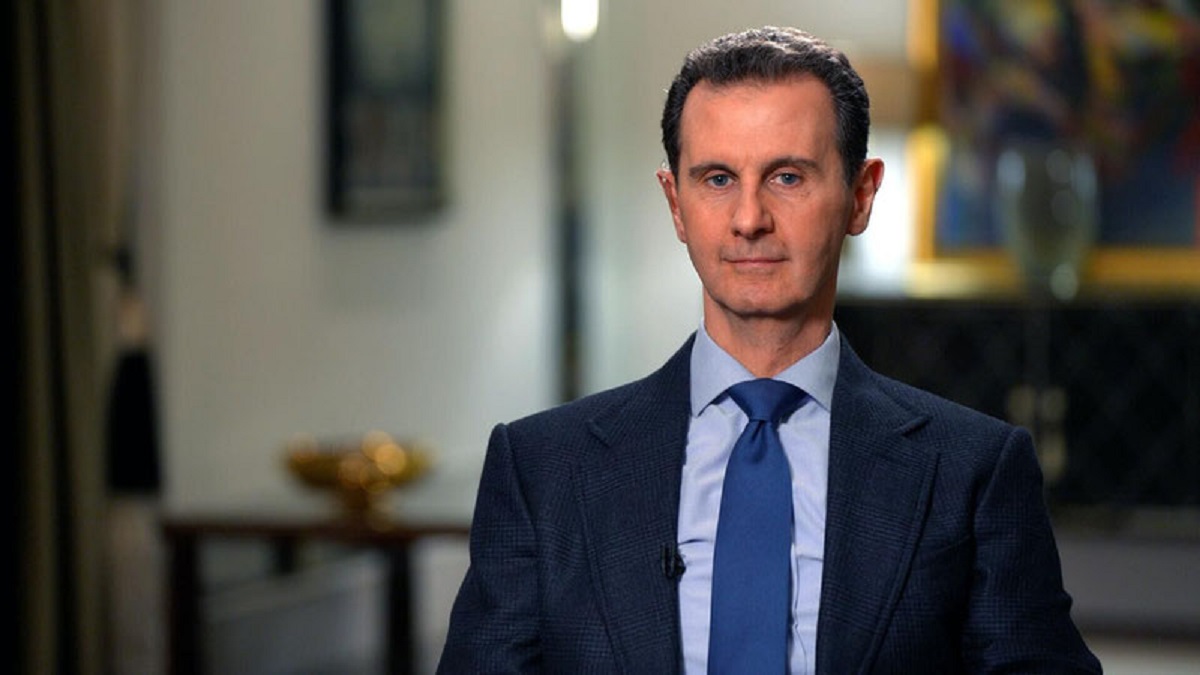
Watan-The new Syrian government is scrutinizing the multi-billion-dollar corporate empires owned by allies of ousted President Bashar al-Assad and has held discussions with some of these wealthy figures as part of what it calls an effort to root out corruption and illegal activities.
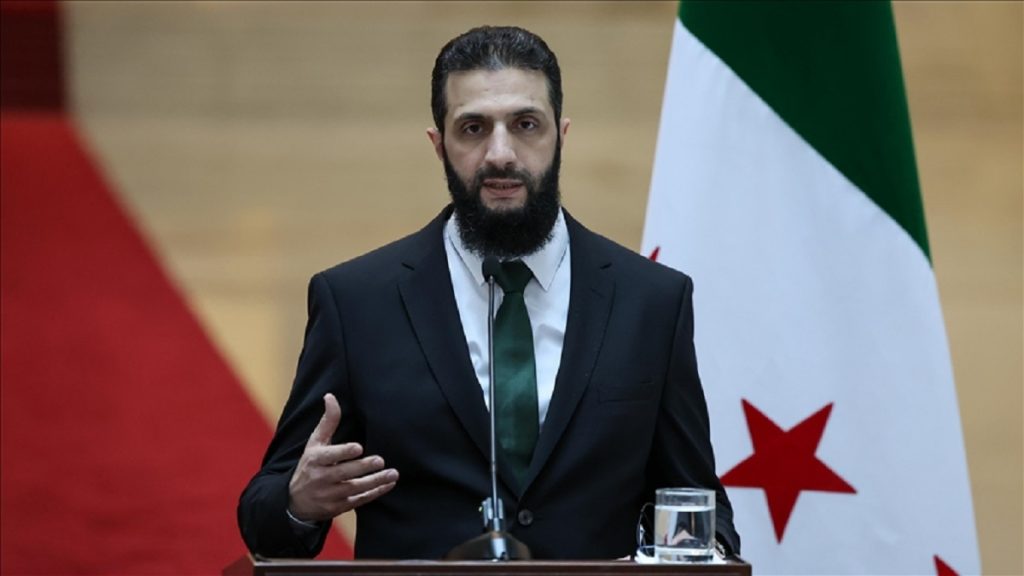
After taking power in December, Hay’at Tahrir al-Sham (HTS)—which now governs Syria—pledged to rebuild the country after a 13-year civil war and to dismantle the highly centralized and corrupt economic system dominated by Assad’s associates.

To achieve these goals, the new government has formed a special committee to analyze the vast business interests of prominent Assad-linked businessmen, such as Samer Foz and Mohammed Hamsho, according to three sources cited by Reuters.
Asset Freezes and Major Investigations
According to correspondence reviewed by Reuters between Syria’s central bank and commercial banks, the new administration froze the assets and bank accounts of companies and individuals associated with Assad just days after taking control of Damascus. This later expanded to include those already sanctioned by the United States.
According to a government official and two Syrian sources familiar with the matter—who requested anonymity—both Hamsho and Foz returned to Syria from abroad and met with senior HTS figures in Damascus in January.
The U.S. has sanctioned Hamsho and Foz since 2011 and 2019, respectively. However, the three sources confirmed that the two businessmen—who are widely resented by ordinary Syrians for their close ties to Assad—have pledged to cooperate with the new leadership’s investigations.
The U.S. Treasury has accused Foz’s Aman Holding Group of profiting from the Syrian war, with its business interests spanning pharmaceuticals, sugar refining, trade, and transportation.
Similarly, Hamsho International Group has major stakes in petrochemicals, metals, and television production.
Hamsho—described by the U.S. Treasury as a front for Assad and his brother Maher Assad—did not respond to Reuters’ request for comment, nor could Reuters reach Foz for a statement.
A Committee with Unprecedented Powers
The formation of the special investigative committee—whose members remain undisclosed—has never been publicly announced, nor have the discussions between Syria’s new government and prominent businessmen tied to the Assad regime. These figures control vast sectors of the Syrian economy.
Analysts and business figures say the new government’s approach to these powerful corporations remains unclear. However, it will be a crucial factor in shaping Syria’s economic future, especially as the administration seeks to persuade Washington and its allies to lift sanctions.
Official Engagement with Business Tycoons
Syria’s Minister of Trade, Maher Khalil al-Hassan, and Investment Authority chief Ayman Hamwiya confirmed to Reuters that the government has reached out to certain Assad-linked businessmen. However, they did not specify names or provide further details.
Khaldoun Al-Zoubi, a longtime business associate of Samer Foz, confirmed that Foz had held discussions with Syrian authorities but did not confirm whether he had physically returned to the country.
Speaking from the Four Seasons Hotel in Damascus—in which Foz’s group owns a majority stake—Zoubi said: “Foz informed them that he is ready to cooperate with the new administration and provide full support to the Syrian people and the new government. He is willing to do anything they ask of him.”

However, the two Syrian sources reported that Foz—who holds Turkish citizenship—left Damascus after the meetings. Reuters has been unable to verify Hamsho’s current whereabouts.