Gaza Ceasefire Hopes Fade as Netanyahu Resists U.S. Pressure and War Grinds On
Despite pressure from President Trump and Israeli generals, Netanyahu clings to military objectives while Hamas faces collapse, raising doubts over a sustainable truce.
Watan-The Economist published a report highlighting the difficulty of reaching a ceasefire in Gaza, noting that U.S. President Donald Trump and Israeli generals are pressuring Prime Minister Benjamin Netanyahu to agree to a deal.
Earlier this week, hopes were high for an imminent end to the war in Gaza. When Netanyahu arrived in Washington on July 7, talks on a ceasefire were already underway 11,000 kilometers away in Qatar.


Trump told reporters he would be “very firm” with Netanyahu in persuading him to accept the deal. Yet after two meetings between them at the White House, a resolution to the war that began over 21 months ago remains elusive, with no major breakthrough reported.
According to the magazine, negotiators had provisionally agreed on a 60-day truce, during which half of the 50 hostages held in Gaza—of whom only about 20 are believed to be alive—would be released in exchange for 1,000 Palestinian prisoners in Israeli jails. During the same period, both sides would attempt to reach a permanent ceasefire, but key details remain contested.
One of the thorniest issues is Netanyahu’s insistence that Hamas must not remain in Gaza. The group appears open to the idea of a technocratic government in the territory, in which it would not participate officially.
Israel also demands the complete disarmament of Hamas, while Hamas wants Israel to allow more humanitarian aid into Gaza and offer guarantees for a permanent end to the war.
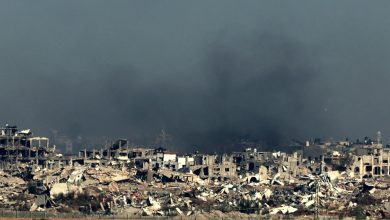
Before heading to Washington, Netanyahu presented a new plan to his cabinet, which he said aimed to reinforce Israel’s goal of destroying Hamas. The plan involves forcibly relocating about one-third of Gaza’s population to the heavily devastated southern Gaza region, where food would be distributed. Those entering this area would be searched for weapons and screened for Hamas affiliation, while Israel would continue combing and demolishing abandoned zones.
The plan was approved unanimously—even though it faces legal and ethical opposition from Israel’s army chief of staff and government legal advisers, who say such a project would amount to a war crime.
According to The Economist, some Israeli insiders believe the plan is meant to pressure Hamas and appease Netanyahu’s far-right coalition partners, who oppose a ceasefire. Whether or not Netanyahu intends to follow through, he has directed Israeli negotiators in Doha to insist on maintaining Israeli control over the designated zone during the 60-day truce—an added obstacle, since Hamas demands a complete IDF withdrawal from Gaza.
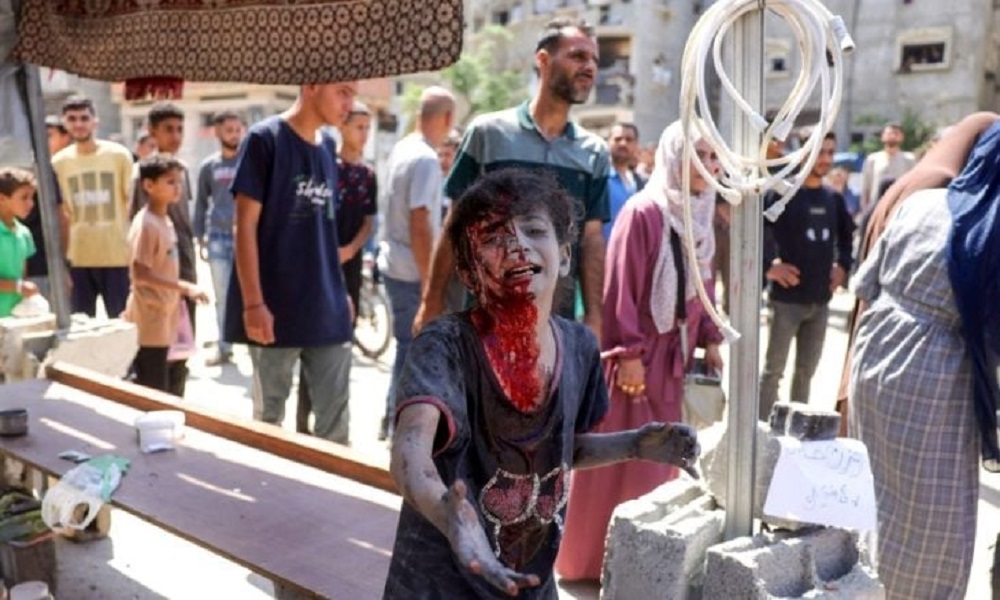
Meanwhile, as talks continue in Doha, the war on the ground rages on. In recent days, dozens of Gazans have been killed in daily Israeli airstrikes or while trying to collect food at controversial aid centers established by Israel and run by American mercenaries.
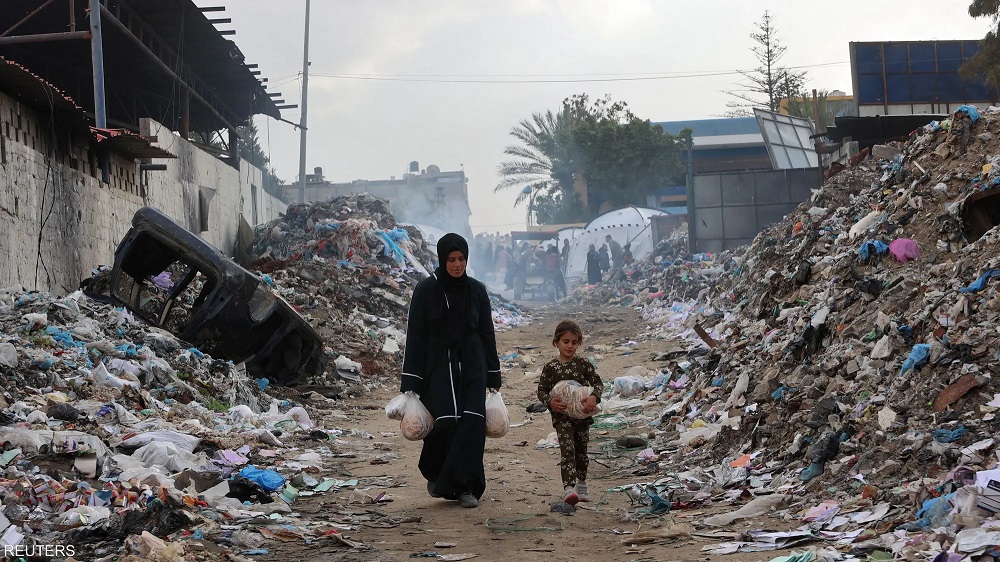
Reports say at least 500 people have been shot dead near these aid centers since they opened in late May. Fuel is running out for Gaza’s few remaining hospitals and desalination plant due to the Israeli blockade.
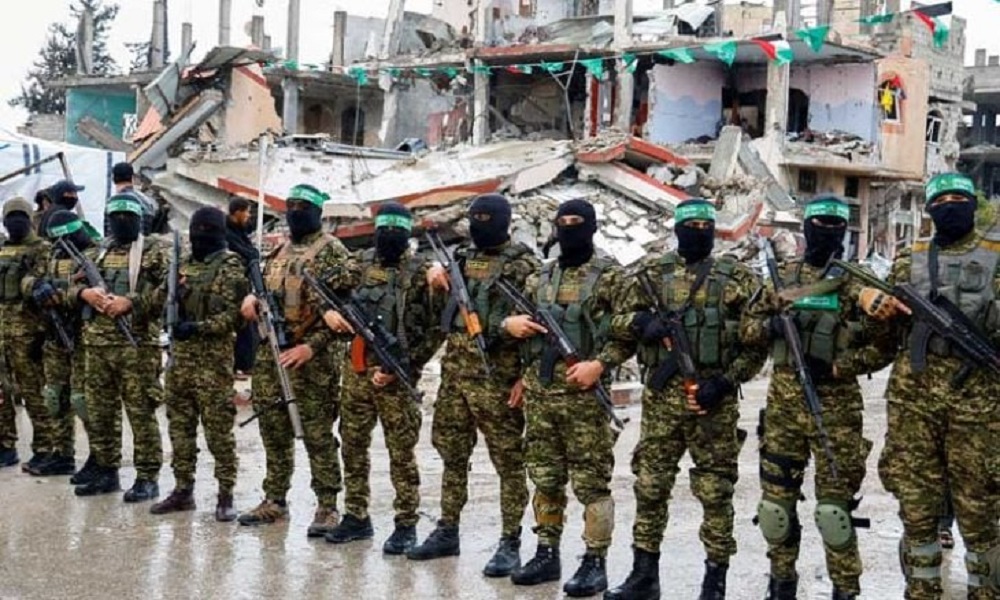
Hamas has shifted to guerrilla tactics, carrying out ambushes on Israeli forces. On July 7, it killed five soldiers using roadside bombs.
The magazine notes that Israeli generals have told politicians the war has lost strategic value—a sentiment echoed by soldiers on the ground. One said, “We’re just staggering around here, blowing up buildings that are already destroyed, trying not to get ambushed.”
Despite this, Netanyahu continues to reject Trump’s calls to end the war. He has yet to propose a credible “day after” plan for Gaza. Still, The Economist sees some room for optimism that the current round of talks could produce a deal.
Trump, who recently brokered a ceasefire between Israel and Iran after U.S. strikes on Iran’s nuclear sites, has grown fond of the image of himself as a historic peacemaker. Netanyahu, in turn, wants continued U.S. support for future strikes should Iran try to revive its nuclear and missile programs—an outcome Israeli intelligence strongly fears.
Trump may not want to get drawn into another round of fighting, which may pressure Netanyahu into accepting a Gaza deal to maintain American backing. Meanwhile, Netanyahu’s far-right coalition partners have softened threats to leave the government if the war ends. Israel must hold elections by October 2026 at the latest, and Netanyahu—his image bolstered by the Iran strikes—might see early elections as a calculated risk.
Hamas, for its part, is under growing pressure to make concessions. With Iran weakened, it has lost a key regional sponsor. Qatar and Turkey still support Hamas, but are eager to stay in Trump’s good graces. Inside Gaza, the group is militarily and politically weakened—a ceasefire may be its best shot at preserving any remaining influence. Even if a deal is reached soon, it will likely be a temporary pause. For a 60-day truce to end the war permanently, Trump will need to sustain pressure on both sides—but his short attention span may hinder that.
In another report, The Economist noted that Hamas’s last bargaining chip is the hostages. If it gives them up in a ceasefire, it will lose its leverage in Gaza. The group—founded four decades ago—is now at its weakest point ever.
A ceasefire now would offer no strategic gain for Hamas, which cannot regroup as it once did. The gap between reports of Hamas continuing to kill Israeli soldiers and Netanyahu’s insistence on destroying the group suggests Hamas may be fighting its final battle. Its military leadership is decimated, its weapons largely destroyed, and its civil governance collapsed. Looting gangs have filled the vacuum, and its popular base has crumbled, with foreign support declining.
Only a handful of top leaders remain, whom Israel insists must be exiled as a condition for a permanent ceasefire. All but one of Hamas’s military council members have been killed. In May, Izz al-Din al-Haddad, commander of the Gaza City brigade, declared himself acting commander.
The magazine alleges Haddad survived by using around 20 Israeli hostages as human shields. Israel has since destroyed his communication lines and chain of command. While some Hamas cells continue to kill Israeli soldiers in ambushes, Israel’s campaign to force Gaza’s population into a shrinking zone continues with little resistance.
Meanwhile, Hamas’s political leadership is also collapsing. Of the 15 political bureau members once active in Gaza, most are now dead. The three known survivors have fled abroad. Gaza’s Hamas-run government is disintegrating. The education and health ministers are believed to be alive, but completely cut off from the outside world.
Most of Gaza’s 36 hospitals, 12 universities, and hundreds of schools lie in ruins. The Israeli army has killed members of the law enforcement hierarchy—from the interior and justice ministers down to traffic police. The tribal militias Hamas crushed in 2007 have reemerged, looting the small amounts of food allowed into the Strip by international aid agencies.
Following the January ceasefire, Hamas quickly regained control of Gaza despite its losses. But today, it’s weaker and facing stiffer competition. Netanyahu has admitted Israel armed some of the tribes, at least six of which now claim autonomous zones and skirmish daily with remaining Hamas elements. Israel appears eager to grant them more control.
At its peak in 2009, Hamas won a majority in the Palestinian National Council, the Palestinian parliament, as part of a reconciliation deal with Fatah, the faction led by President Mahmoud Abbas in the West Bank. Now, if allowed by Israel, Abbas’s men may reclaim control of Gaza.
The world’s stance toward Hamas has changed. Foreign cash and monthly salaries have dried up, and Israeli strikes on Iran and Hezbollah have disrupted Hamas’s arms supply and logistics. Diaspora supporters remain, but they are isolated. If Palestinians abroad could vote, Hamas might win—but they cannot.
Currently, Hamas leaders in Doha and Istanbul, their last safe hubs, are struggling. Without full territorial control of Gaza, they can no longer exert meaningful influence. Their last major leverage lies in the surviving Israeli hostages—whom they may soon be forced to surrender as part of a second ceasefire.