Israeli Army: IEDs Are the “Greatest Threat” in Gaza as Hamas Fighters Grow Bolder
Hebrew media reports reveal that over 70% of Israeli casualties in Gaza since March have been caused by roadside bombs, while Hamas fighters increasingly engage in close combat and ambush tactics.
Watan-Hebrew media reported on Tuesday that the Israeli army now considers improvised explosive devices (IEDs) to be the “greatest threat” to its forces in Gaza, amid a growing boldness by Palestinian fighters during confrontations and direct combat.
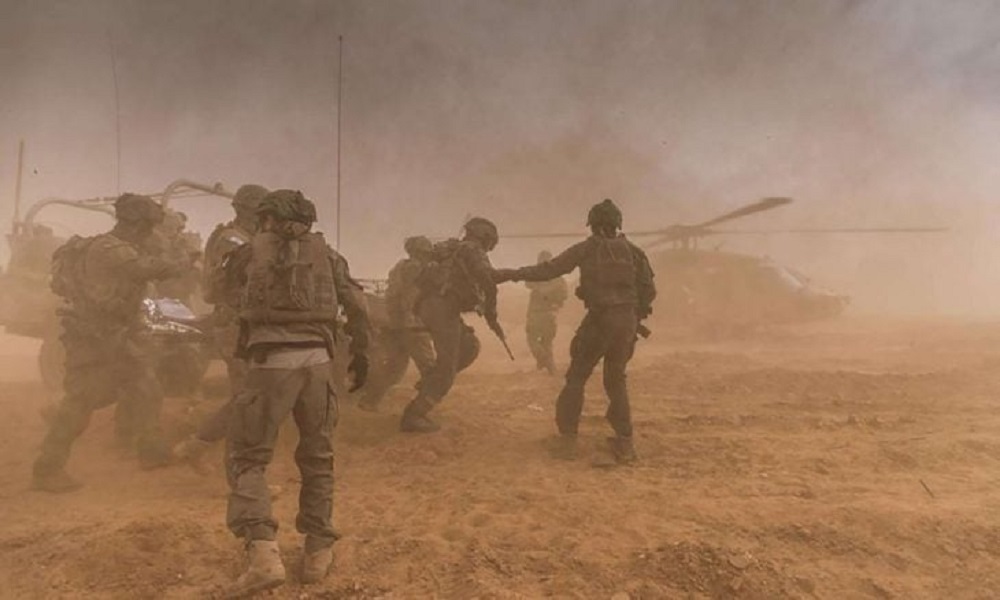
Commenting on the death of five soldiers and the injury of 14 others in an IED blast in Beit Hanoun on Monday evening, the Israeli Army Radio stated: “According to all senior commanders in Gaza, the danger posed by IEDs represents the biggest threat to our forces in the Strip.”
The report added that over 70% of Israeli troop casualties in Gaza in recent months were due to IEDs. “Out of 38 soldiers killed since the resumption of combat on March 18, 27 died due to bomb blasts.”
IEDs typically appear in two forms: roadside ambushes—responsible for 19 deaths—and booby-trapped buildings, which have killed another six soldiers, according to the station.
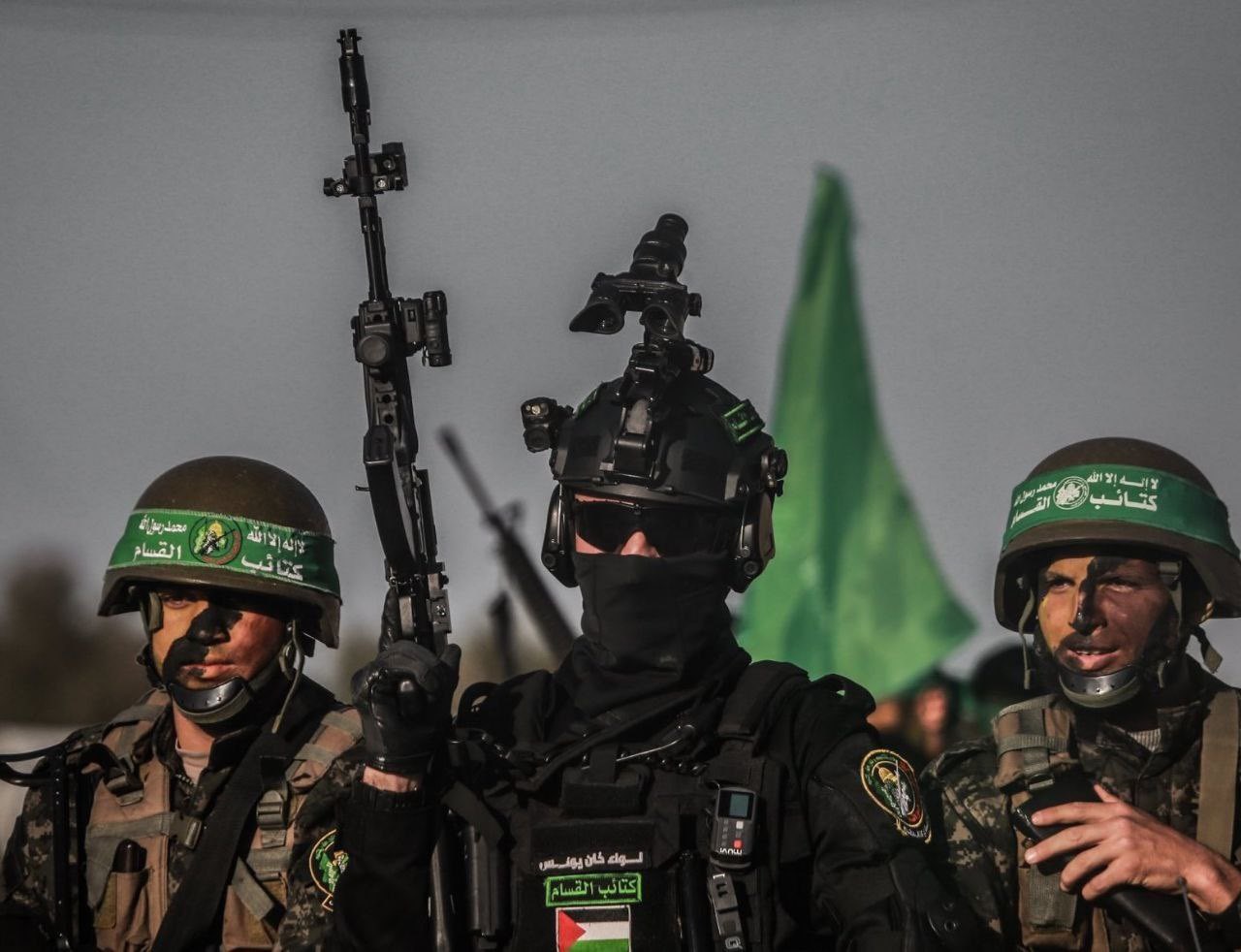
In recent weeks, the Israeli army has noticed growing audacity among Hamas fighters. “Unlike in the past, they no longer flee after planting IEDs to detonate them remotely. Instead, they emerge from the rubble, engage in combat, leave traps behind, and fire from inside them—despite the increased risk of exposure,” the radio noted.
In recent weeks, the Israeli army has noticed growing audacity among Hamas fighters. “Unlike in the past, they no longer flee after planting IEDs to detonate them remotely.
It emphasized that many of the most deadly incidents for the army involved fighters who did not flee the scene but instead stayed to fight even against rescue forces—aiming to maximize their tactical impact.
The report added that Palestinian fighters are also relying heavily on documentation. “Photography is now an integral part of the operation—Hamas aims to produce high-quality footage from multiple angles for propaganda purposes,” the radio stated.
Referring specifically to Beit Hanoun—where Monday’s deadly ambush occurred—the station described it as a town just 3 kilometers from the Israeli city of Sderot, repeatedly seized by the IDF.
“The Israeli army has taken control of Beit Hanoun countless times during every operation in northern Gaza over the past two years,” it said.
However, it added, “Two things have happened in Beit Hanoun in recent years: every time the Israeli army leaves, the fighters return. Even during operations in the area, the army realized Hamas was reinforcing its presence—possibly through underground tunnels.”
The radio concluded: “Thus, despite surface-level clearances, Hamas continues to maneuver its forces underground, allowing it to maintain Beit Hanoun as a hub of sustained and active resistance.”