Israel Escalates Massacres in Gaza: Over 300 Killed in 48 Hours Amid Widespread Displacement and Humanitarian Collapse
Intensified Israeli strikes target shelters, aid seekers, and civilian zones across Gaza, pushing the territory toward famine, disease, and systemic collapse.
Watan-In a clear escalation, Israel has intensified its deadly assaults on Gaza, targeting shelters, gathering sites for displaced persons, and people seeking humanitarian aid, as the war continues to claim lives at a rapid and mass scale.
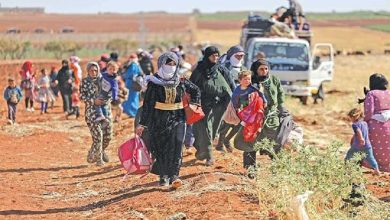
With casualty numbers reaching shocking levels, Israeli military evacuation orders have now covered more than 85% of the territory, deepening the humanitarian catastrophe amid international warnings of famine and total healthcare collapse. As bodies remain trapped under rubble, the bombing and forced displacement persist relentlessly, compounded by deafening international silence that further worsens civilian suffering.

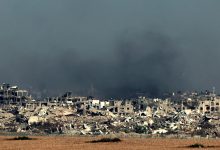
The Gaza Health Ministry reported 118 people killed and 581 injured in the past 24 hours, bringing the total death toll from the Israeli assault since October 7, 2023, to 57,130, with 135,173 wounded. Many victims remain beneath the rubble or in the streets, unreachable by emergency or rescue teams.
Eyewitnesses to the Displaced Massacre
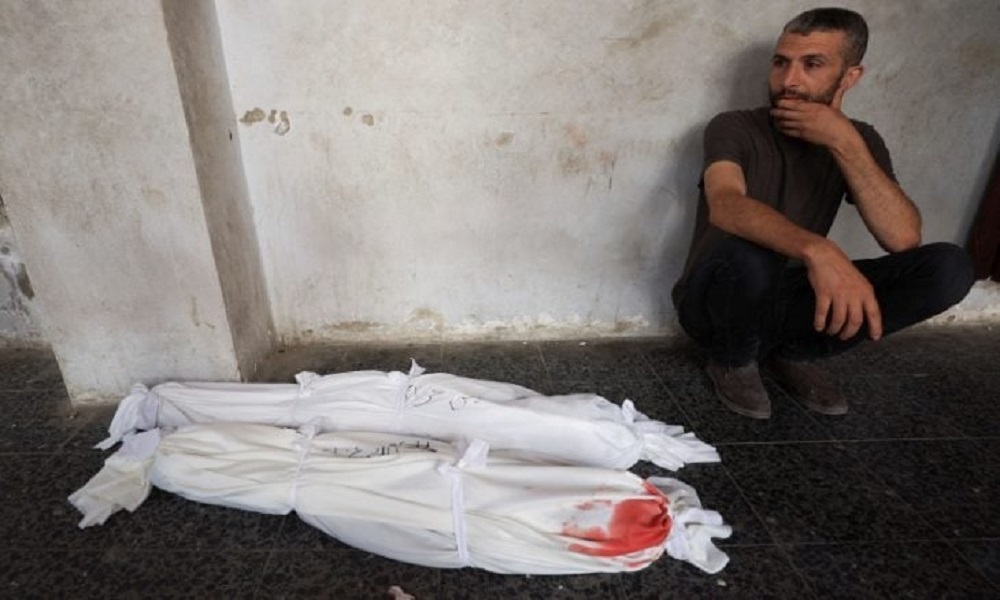
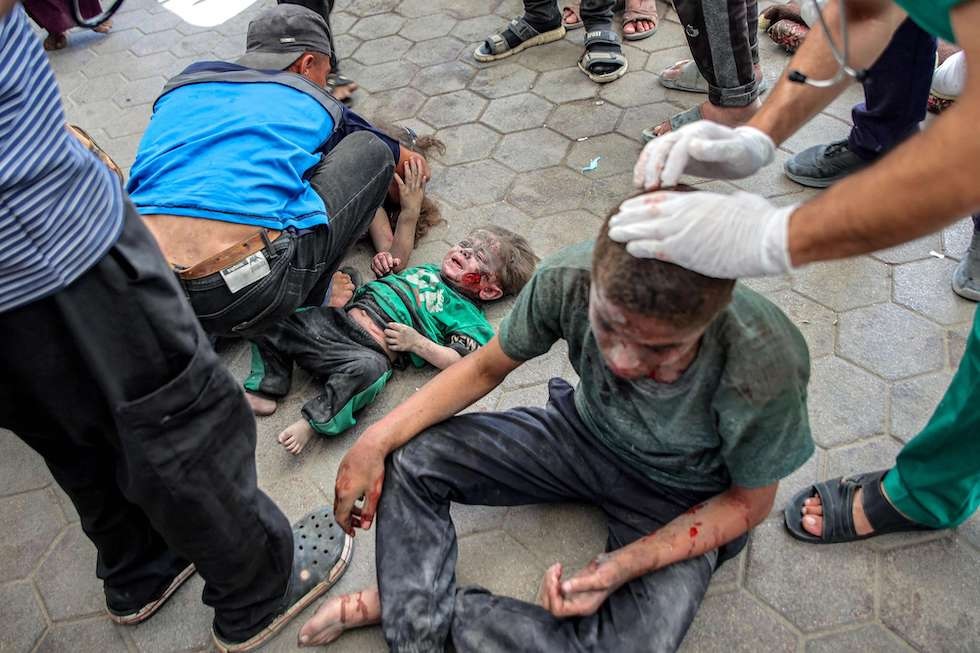
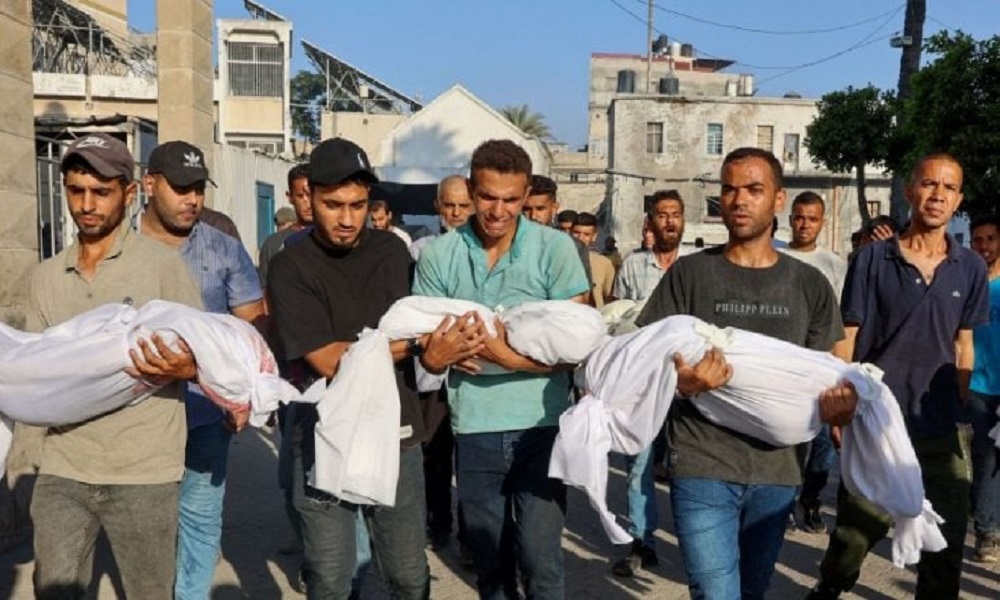
In a horrific massacre, 13 members of the Hajila family, including children and siblings, were killed when an Israeli strike hit the Mustafa Hafez school sheltering displaced people west of Gaza City. Among the victims were a father and his child, killed while the child was in his father’s arms—both bodies wrapped in a single shroud.
The sudden airstrike devastated the school and set fire to the belongings of many displaced families. The school, located in a densely populated area, had become a refuge for numerous families, especially after renewed displacement from ground attacks in northern Gaza and eastern Gaza City.
Disturbing Images and Accounts
At sunrise on Thursday, survivors began inspecting the devastated school. A 13-year-old boy told Al-Quds Al-Arabi: “Suddenly we heard a bombing. We ran out of the shelter room, dust was everywhere, and fire erupted. We didn’t know where to go—we were terrified and screaming.” His mother, who shielded her children behind a school wall, said, “The moment was terrifying… we didn’t expect fire to reach us. Everyone thought they would die.” Despite the destruction, she stressed her family had nowhere else to go.
Targeting Aid Seekers
Six civilians were killed and over 100 wounded in a strike near Al-Nabulsi roundabout while waiting for aid in western Gaza. Another six were killed near the Israeli-controlled “Netzarim corridor” while heading to a distribution point.
A child from the Mashharawi family succumbed to injuries from an earlier airstrike on Al-Wahda Street. A woman was killed in a strike on her home in Al-Daraj neighborhood, while two men died in Al-Zaytoun and another near Fahd Al-Sabah School in Al-Tuffah.
Hospitals, especially Al-Shifa, were overwhelmed with injured victims amid severe shortages in medicine and medical supplies.
In eastern Gaza, Israel’s military leveled entire residential blocks and expanded artillery strikes on Al-Shuja’iyya, Al-Tuffah, and Al-Zaytoun, sparking further displacement. Palestinian TV correspondent Islam Al-Za’noun was shot in the shoulder by a drone while covering the events.
In northern Gaza, four civilians were killed and three injured in Jabalia and Beit Lahia, including child Kareem Al-Barsh, killed while fetching flour from his home. In central Gaza, multiple people—among them women and children—were killed at Al-Awda Hospital in Al-Nuseirat refugee camp.
Shelters and Aid Sites Bombed
Nine civilians were killed and others injured by a strike at the entrance to a displaced persons center near Al-Awda Hospital. A second strike shortly after killed six more, bringing the total to 15. Some victims were buying falafel for their starving children; others were simply walking in the street.
Massacres in Khan Younis
In Khan Younis, 14 people were killed and over 50 wounded when Israeli forces bombed tent shelters in Al-Mawasi, an area Israel had declared “a humanitarian zone.” Another massacre targeted the Abu ‘Adi family, killing the parents and their four children. Three more were killed in Al-Baraka camp, two in Bani Suheila, and ten others in a massacre near the desalination zone.
Grief-filled funerals followed, with women bidding farewell to children killed while seeking food.
Israeli forces also continued artillery incursions and demolitions in Abasan and Al-Qarara, with ongoing explosions near the “Muraj corridor” and destruction of buildings in areas of military incursion.
In Rafah, seven civilians were killed and over 30 wounded in another strike on people waiting for aid near a distribution center.
Over 300 Killed in 48 Hours
The Government Media Office stated that Israeli forces committed 26 massacres in just 48 hours, killing more than 300 people. The office emphasized these attacks reflect Israel’s continued policy of deliberate killing, genocide, and ethnic cleansing. The strikes focused on shelters, markets, and key infrastructure, primarily killing unarmed civilians—especially women and children.
Hamas announced the martyrdom of three prisoners released under the 2011 “Shalit swap deal”—Mahdi Shawer, Ayman Abu Dawoud, and Bassam Abu Sneineh—calling their assassination a “cowardly Zionist crime.” The group urged international institutions to break their silence and halt the aggression.
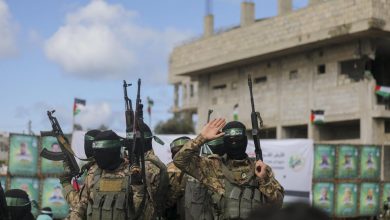
Al-Qassam Brigades said it struck an Israeli armored vehicle in Khan Younis with a “Yassin-105” shell, reporting a direct hit and the landing of a helicopter for evacuation. Islamic Jihad’s Al-Quds Brigades claimed the destruction of a Merkava tank using two IEDs on Al-Mars Street in Khan Younis.
Worsening Humanitarian Crisis
UNRWA stated that families in Gaza are in desperate need of aid, facing gunfire and being run over by aid trucks while trying to secure food. The UN called for an investigation into these violations and emphasized the urgent need for safe, dignified delivery of aid and full access for UN agencies including UNRWA.
The UN Office for the Coordination of Humanitarian Affairs (OCHA) noted that recent Israeli evacuation orders included areas in Khan Younis, meaning 85% of Gaza is now under displacement orders or declared military zones. This blocks aid access and overwhelms critical services. Since the March ceasefire collapse, 714,000 Palestinians have been displaced again. Shelters are severely overcrowded and unsanitary, posing serious health risks.