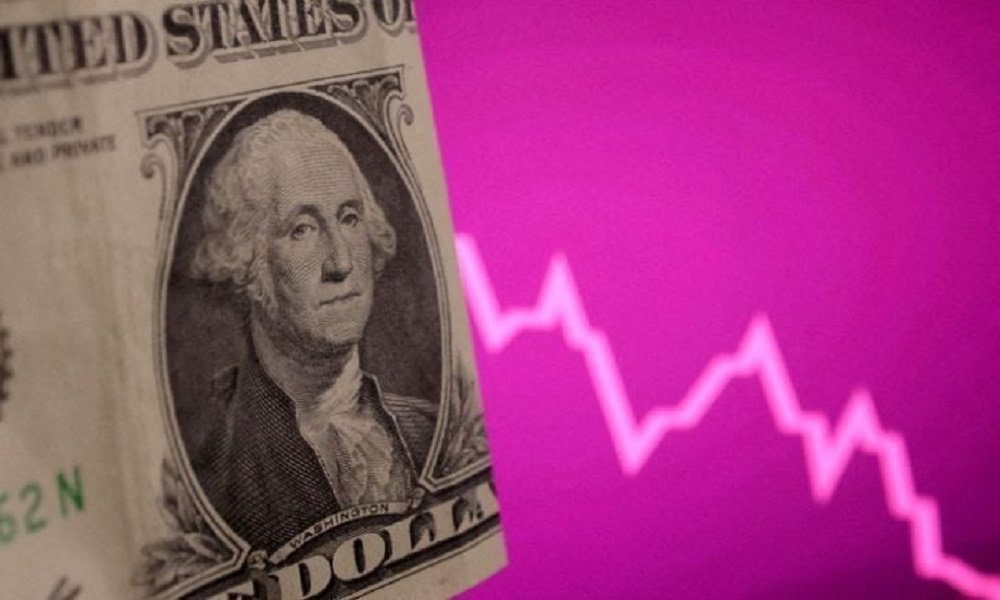
Watan-The U.S. dollar has begun to lose the luster that has long defined it as the dominant global currency, sliding to its weakest level in two years amid mounting political and economic tensions within the United States. In contrast, the euro has seen an unprecedented jump of about 13.8% over just six months—its strongest performance in modern history.
These shifts come amid turbulence in U.S. fiscal policy, including new spending proposals, trade frictions, and political uncertainty hanging over the White House. All of this has prompted markets to rethink their confidence, and investors are seeking more stable havens.
#الدولار “ملك العملات” لم يعد مطلق السلطة.. الأسواق العالمية بدأت تعيد رسم خريطة الثقة والعملات تتأهّب لعصر جديد
من فوضى #ترامب إلى الخوف من الركود.. “العصر الأمريكي” في الاقتصاد لم يعد بلا منازع.. فهل نحن مقبلون على نظام نقدي عالمي متعدد الأقطاب؟ وهل ينقلب السحر على الساحر؟ pic.twitter.com/wkQ0gdt7Zg
— وطن. يغرد خارج السرب (@watanserb_news) July 1, 2025
The Japanese yen has risen by 9%, and the British pound has held its ground, while several previously overlooked currencies have begun to emerge—a sign that a broader transformation in the global monetary system may be underway.
The burning question now is: Are we witnessing the beginning of the end for dollar hegemony? And is the world truly ready for a multipolar economy?
-

-

-

-

-
-