
Hamas Holds Consultations on Mediator Proposals for Ceasefire and Israeli Withdrawal
Egypt and Qatar’s Framework Could Lead to a 60-Day Truce and Hostage Exchange Amid Israeli Government Rift.
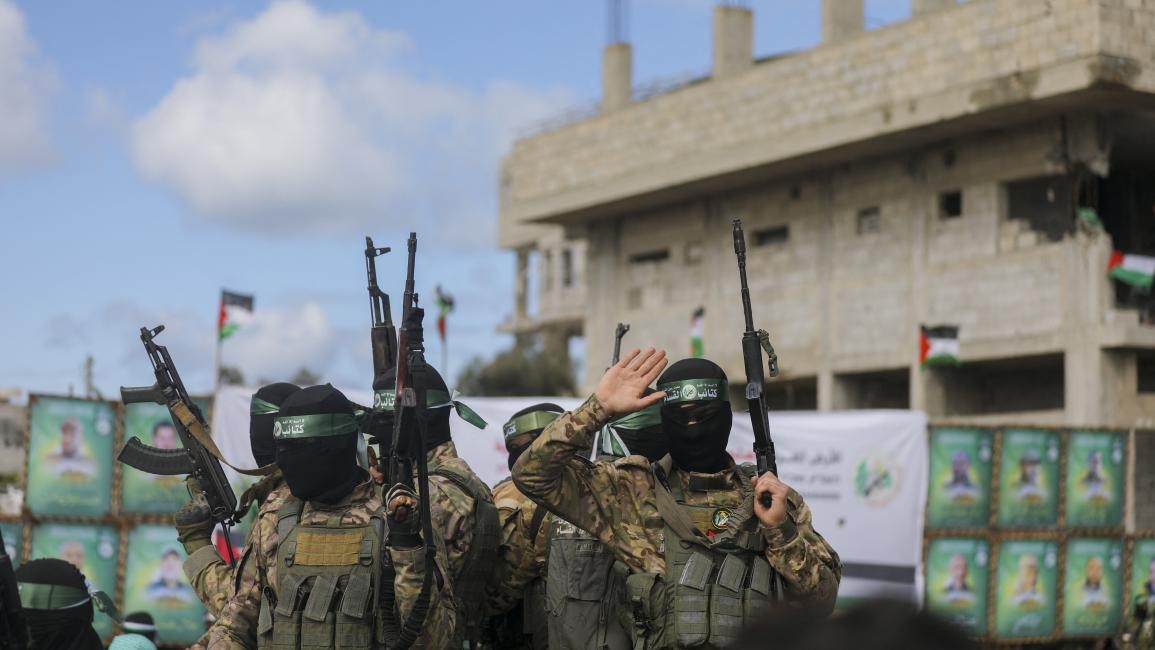
Watan-Hamas announced Wednesday that it is conducting consultations on proposals received from mediators (Egypt and Qatar) with the aim of reaching an agreement that guarantees ending the war, Israel’s withdrawal from Gaza, and relief for the Palestinian people.
“We are handling this with high responsibility and holding national consultations to discuss what we have received from our brother mediators, in order to reach an agreement that ensures ending the aggression, achieving withdrawal, and urgently aiding our people in the Gaza Strip,” the movement said in a statement.


“Our brother mediators are making intensive efforts to bridge the gap between the parties and reach a framework agreement, before entering serious negotiation rounds.”
Hamas and Israel Signal Openness to 60-Day Ceasefire Talks
In a separate statement, Hamas Political Bureau member Kamal Abu Awun confirmed that the movement is “positively open to the proposed ideas in order to reach a comprehensive agreement that completely stops the aggression on Gaza,” praising the role played by the Palestinian people in Gaza in foiling “Israeli plans to impose a suspect administration that does not represent their interests and values.” He added, “All of the occupation’s security projects in Gaza are destined to fail and face revolutionary accountability.”
At the same time, Israeli Foreign Minister Gideon Sa’ar spoke of “positive indicators” for a possible deal on a prisoner exchange and a ceasefire in Gaza. Speaking at a press conference with his Estonian counterpart in Tallinn, he said, “We are serious in our intention to reach a deal to free the abductees and halt fire in Gaza,” adding, “There are certain positive signs (which I won’t detail), and our goal is to start indirect talks as soon as possible,” according to the Hebrew site Walla.
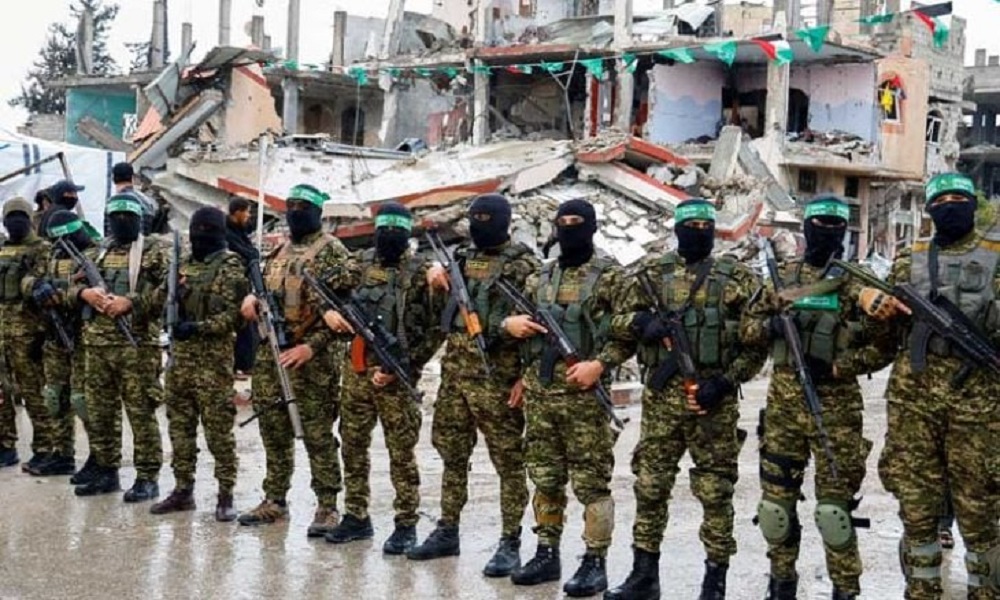
On Wednesday, the Israeli public broadcaster reported that diplomatic sources said Qatar had submitted a new prisoner-exchange proposal to Israel that includes a 60-day ceasefire.
These developments followed U.S. President Donald Trump’s remarks on Tuesday that Israel had accepted the “necessary conditions” for a 60-day ceasefire, expressing hope that “Hamas will agree.”
Israel estimates it holds about 50 Israeli captives in Gaza, 20 of whom are believed to be alive, while more than 10,400 Palestinians remain in Israeli prisons—subject to torture, starvation, and medical neglect—many of whom have died, according to rights groups and media reports.
Despite these indicators, significant disagreements persist, especially over the conditions for ending the war and the extent of the Israeli military withdrawal. Insiders told the Israeli broadcaster that “there is a strong possibility for reaching a deal, but disputes still remain.”
Hardline Ministers Vow to Block Ceasefire as Opposition Readies Support for Deal
National Security Minister Itamar Ben Gvir and Finance Minister Bezalel Smotrich renewed their strong opposition to the proposal; the Haaretz newspaper reported they will meet in the coming hours to discuss plans to block a complete hostage-ceasefire deal. Both ministers are known for extreme views, rejecting any ceasefire formula, calling for reoccupation of Gaza, establishment of settlements, and forced displacement of Palestinians.
In what appeared to be an indirect response to Ben Gvir and Smotrich, Foreign Minister Sa’ar wrote on X: “There is a large majority within the government, as well as among the public, that supports the hostage-release plan. If we have the opportunity, we must not let it slip away.”
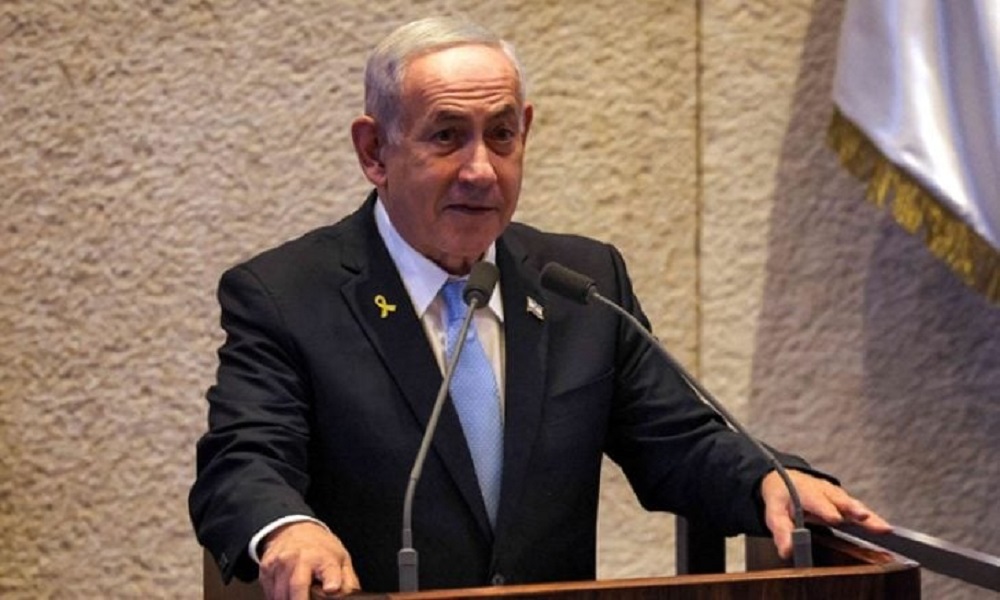
Amid internal government splits, the Israeli opposition signaled its readiness to provide parliamentary support to Prime Minister Benjamin Netanyahu if he moves forward with the agreement—potentially saving his coalition from collapse during its implementation. Ben Gvir’s and Smotrich’s parties hold 13 of the Knesset’s 120 seats, while Yesh Atid, led by Yair Lapid, has 23 seats, enabling the opposition to form a political safety net for Netanyahu.
Hamas has repeatedly stated its willingness to release all Israeli hostages in one batch in exchange for ending the genocide and the Israeli withdrawal from Gaza, while Netanyahu continues to evade this demand by issuing new conditions and seeking partial deals that allow the war to continue.
Since October 7, 2023, backed by unconditional U.S. support, Israel has waged a genocidal war in Gaza—killing and injuring some 191,000 Palestinians (most of them women and children), leaving over 11,000 missing, and displacing hundreds of thousands, with famine claiming many lives, including dozens of children.