
Western Media and Politics Face Backlash as Pro-Israel Narratives Lose Grip
From New York to London, Accusations of "Anti-Semitism" Falter as Support for Palestinian Rights Gains Legitimacy.
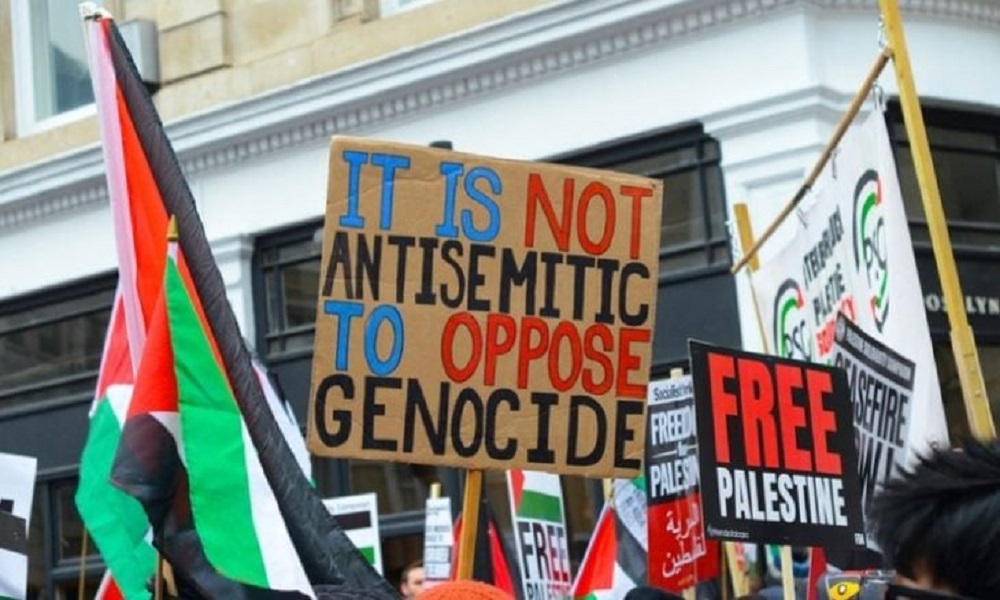
Watan-The political and media scene in the West is currently experiencing a state of confusion and exposure, as smear campaigns that accuse defenders of Palestinian rights of “anti-Semitism” have lost their usual effectiveness.
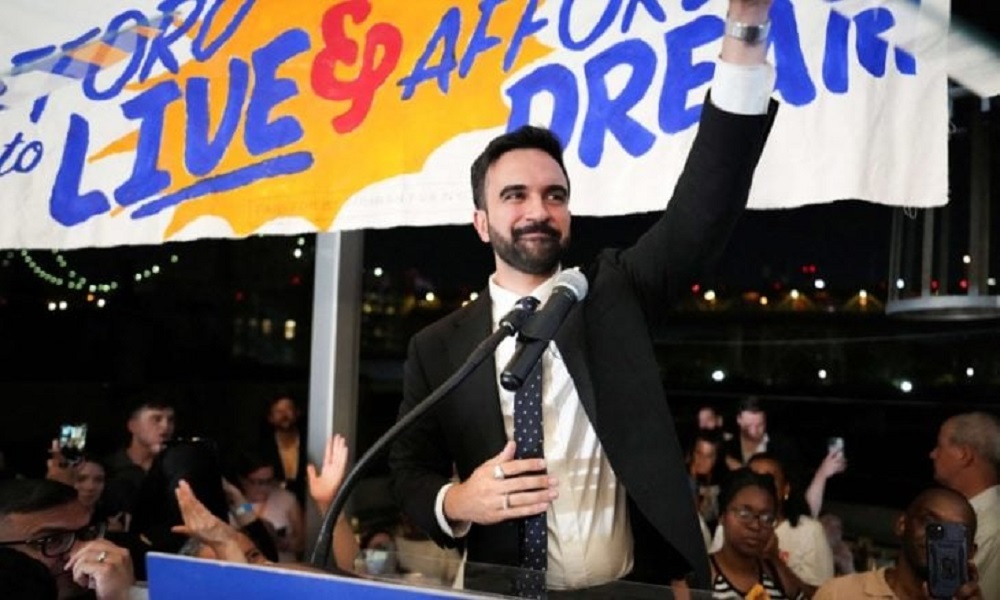
In New York, Muslim politician Zahran Mamdani won the Democratic Party’s nomination for mayor of the city, despite a fierce campaign that attempted to brand him as anti-Jewish due to his pro-Palestinian positions. This victory caused widespread shock among pro-Israel circles, which have long relied on such accusations to sideline dissenting voices.


Simultaneously, a new wave of anti-Muslim rhetoric has emerged across Western media and social platforms—described by observers as the most intense since the events of September 11. Writer Caitlin Johnstone notes that this prejudice will likely dissipate with the next strategic shift in Western policy toward China, at which point the “Uyghur issue” will suddenly reappear as a convenient expression of “concern” for Muslims there.
In Britain, a rap group sparked a major controversy after performing a song that included chants against the Israeli army. This prompted the police to open an investigation amid official condemnations and attacks by pro-Israel lobbying groups, which considered the incident a form of “anti-Semitism.”
Johnstone highlights a striking contradiction: the West now views chanting against a foreign army committing genocide as unacceptable, while it turns a blind eye to the crimes being committed against Palestinian civilians by that very army.
She argues that hatred of Israeli policies, in light of ongoing atrocities, is increasingly seen by many Americans as a legitimate national stance—especially amid Israel’s efforts to push Washington into a confrontation with Iran. According to Johnstone, turning support for Israel into a political burden domestically may be the only way to stop this dangerous course.
In this context, signs of eroding Israeli media influence are growing—whether through the declining effectiveness of the “anti-Semitism” charge, confessions from Israeli soldiers published in Israeli newspapers about atrocities committed in Gaza, or the refusal of segments of the Western public to submit to the official narrative.
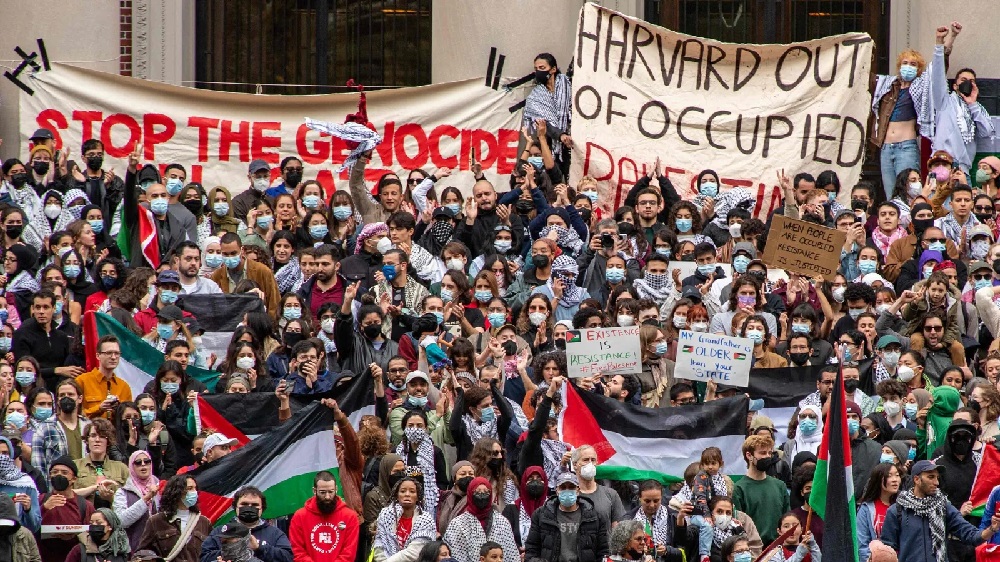
Johnstone concludes by emphasizing that what is happening today—from the rise of a Muslim, pro-Palestinian political figure in the heart of New York, to chants denouncing the occupation in Western capitals, to the collapse of Israel’s claimed moral superiority—constitutes a qualitative shift in public sentiment and a clear retreat in the influence long exerted by pro-Israel forces on Western political and media discourse.