Israel’s Supreme Court Upholds Eviction of Palestinian Family in Silwan for Settler Group
Court Decision Paves Way for Forced Displacement of Dozens of Families Near Al-Aqsa Amid Intensified Judaization Campaign in East Jerusalem

Watan-Israel’s Supreme Court on Tuesday rejected the appeal filed by the Rajabi family against an eviction order from their residential building in the Batan al-Hawa neighborhood of Silwan, just south of the Al-Aqsa Mosque.
Zuhair Rajabi, head of the Batan al-Hawa Committee, stated that the court turned down the appeal by family members Nasser Rajabi, Aed Rajabi, and their mother. The eviction is being carried out in favor of settlers, under the pretext that the land belonged to Yemeni Jews in 1881.

The Jerusalem District Court had already rejected the family’s appeal in July 2023, prompting them to escalate to the Supreme Court. The rejection now finalizes the eviction decision in favor of the settler group “Ateret Cohanim.”
The Wadi Hilweh Information Center noted that the Rajabi property is a three-story residential building housing three apartments and 16 residents, including children and the elderly.
The family has been in a legal battle for over a decade across various Israeli courts to defend their home. “Ateret Cohanim” first filed a legal claim in 2016, and the first eviction ruling came in 2020.
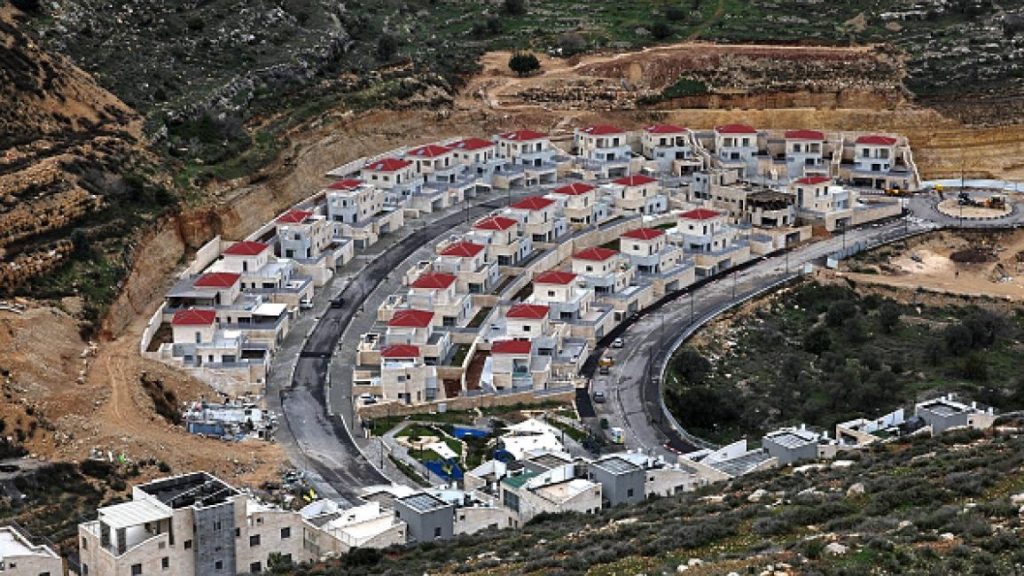
The settler group claims ownership of about 5.2 dunams in Batan al-Hawa, citing Jewish ownership from 1881. Since 2015, it has issued eviction notices to dozens of Palestinian families after receiving administration rights over “Jewish trust lands” in 2001.
Over 80 Palestinian families (600 individuals) in Batan al-Hawa are facing displacement through similar legal maneuvers. Among them, the families of Kaid, Jaber, and Wael Rajabi are still awaiting rulings from the Supreme Court.
The latest court decision came just days after similar rulings forced the Shweiki and Odeh families to evacuate their homes. Each family was given 30 days to comply with the orders.
The Information Center added that Ateret Cohanim has already executed eviction orders against families like Shahadeh, Ghaith, and Abu Nab, and even opened settler centers inside confiscated homes.
The Governorate of Jerusalem condemned the ruling as a dangerous escalation that threatens Palestinian presence in the city, labeling it part of Israel’s broader Judaization strategy.
Israeli Laws Enable Settlement Expansion While Blocking Palestinian Property Claims
Under the Israeli 1970 law, Jews may reclaim pre-1948 properties in East Jerusalem—but Palestinians are denied the right to reclaim their own pre-1948 properties elsewhere, including in West Jerusalem and Israel proper.
Silwan—just 300 meters from the southeastern corner of Al-Aqsa Mosque—is a key target of Israel’s settlement drive. The area is being aggressively targeted through projects by groups like “Elad,” which runs the so-called “City of David” and conducts archaeological digs to falsify the area’s historical identity.
The Governorate called on the international community and UN institutions to intervene immediately, hold Israel accountable for its war crimes, and protect Palestinian families from forced displacement.
It stressed that the Batan al-Hawa evictions exemplify the policy of Judaizing Jerusalem and require urgent international action to safeguard the city’s Palestinian character and heritage.
So far, 16 families have been evicted, while 9 others await court decisions. Ateret Cohanim has also converted seized homes into settler centers, violating international law.
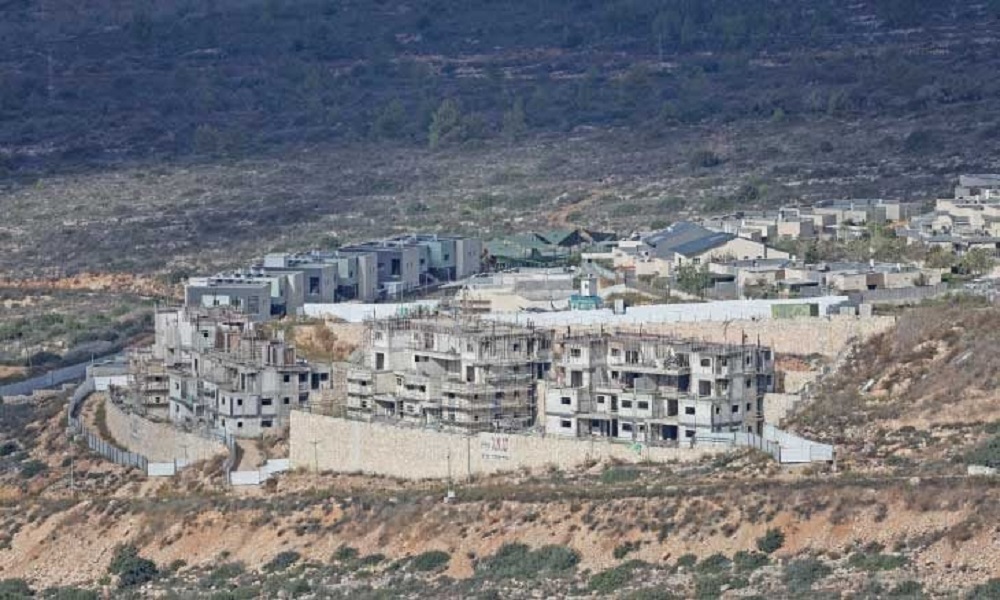
In parallel, Israeli occupation forces demolished a house, a car park, and a road in Ras Khamis, Shuafat refugee camp, owned by Anas Rajabi. The 750-square-meter home sheltered six people.
Occupation forces also intensified restrictions at Beit Iksa checkpoint, northwest of Jerusalem, arbitrarily detaining residents and barring outsiders from entry.
Beit Iksa has been sealed off by the separation wall since 2006, subjecting its residents to continuous hardship.
This all comes as Israeli authorities continue for the 12th day in a row to shut down Al-Aqsa Mosque and the Church of the Holy Sepulchre. Only employees of the Islamic Waqf are allowed entry to Al-Aqsa, while Christians are denied access to the Church entirely.
Since June 13, Israeli forces have escalated their campaign across the West Bank and Jerusalem, closing major roads and denying hundreds of thousands access to religious sites, while tightening restrictions on the Old City, allowing only residents to pass military checkpoints.
Shops have closed, and public movement remains heavily restricted.
This expanding pattern of legalized displacement, home demolitions, religious restrictions, and settlement expansion represents a grave breach of international humanitarian law and may amount to war crimes under the Geneva Conventions.