Reports

“We Are Living a Real Nightmare”: Israeli Soldiers Reveal Psychological Collapse in Gaza War

In shocking testimonies to Haaretz, five Israeli soldiers expose the hidden toll of the Gaza war—fear, trauma, disillusionment, and a growing belief that the war is pointless and politically driven.

Watan-Shocking testimonies provided by five Israeli soldiers to the Israeli daily Haaretz reveal a dark and disturbing reality of the Gaza war—far removed from the sanitized narrative promoted by the military establishment.

Their statements depict a grim picture of psychological collapse, fear, and disillusionment, with many soldiers believing the war is futile, and describing life at the front as a never-ending nightmare.

Rotting Corpses and Lasting Trauma

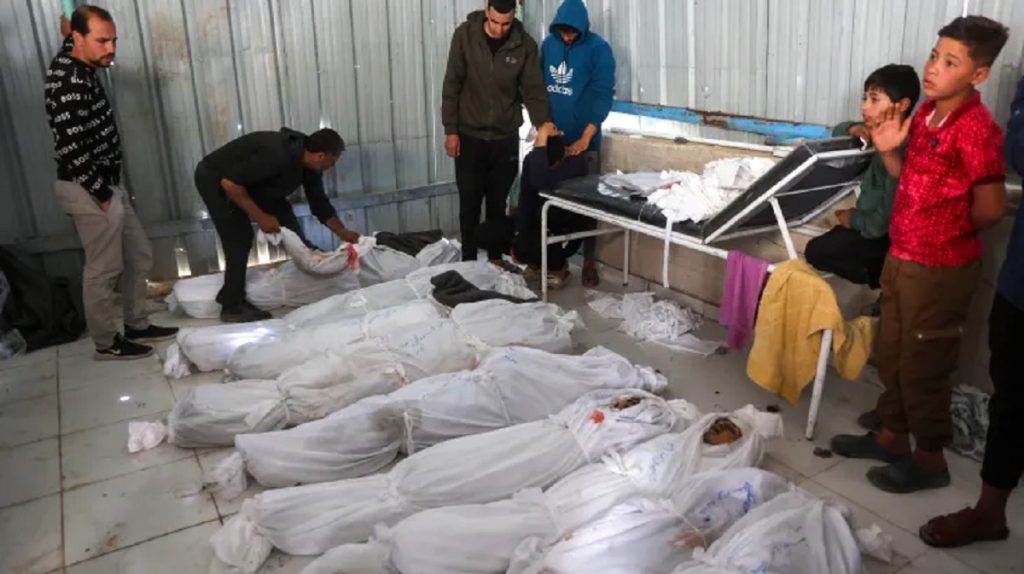
Or, a 20-year-old paratrooper, described approaching the ruins of a bombed house in Khan Younis, where he found the decomposing bodies of at least five people, possibly six.

“Flies were everywhere. I think dogs had eaten the flesh. There was almost nothing left. Two of the corpses were children. I saw their bones. It was horrifying.”

He added that the stench clung to his clothes and skin, resisting deodorant even after repeated sprays.

“After that incident, I was redeployed near Gaza. I wanted to jump out of the Humvee. I wanted to run but didn’t have the courage. The explosions, heat, wet socks—it was a nightmare. I just want this to end.”

Shocking testimonies provided by five Israeli soldiers to the Israeli daily Haaretz reveal a dark and disturbing reality of the Gaza war
Soldiers Speak of Fear, Exhaustion, and Useless Death

Soldiers Speak of Fear, Exhaustion, and Useless Death

Haaretz noted that these accounts contradict the official narrative, revealing widespread fear, exhaustion, and hopelessness among soldiers. Most refused to speak publicly—but five agreed, with one request:

“You sent us to this war. Now listen to what we have to say.”

Yonatan, 21, from the Kfir Brigade, described freezing nights and unbearable heat during operations in Jabalia.

“We hardly saw any people—only dogs scavenging for food. Our officer warned us not to interact with the dogs or face court-martial.”

When one dog barked nonstop, a commander shot it—then continued firing at others.

“He smiled and said these were terrorist dogs, maybe rabid. They need to learn not to come near us.”

The Worst Memory: His Friend’s Blood in His Mouth

Yonatan’s most haunting memory came days later, when a booby-trapped house exploded.

“I flew through the air. I thought I was injured, but the blood in my mouth was from my friend—he was screaming for help. I froze.”

Even after paramedics rescued his friend, Yonatan couldn’t eat or sleep.

“Everything tasted like blood.”

Deaths Without Meaning

Omer, 21, from the Givati Brigade, said soldiers were initially euphoric after October 7, eager to enter Gaza.

“Now it seems ridiculous. I’ve lost count of how many people I know who’ve been killed—friends from my unit, my neighborhood, my school. I don’t have the strength to hear of another death.”

He said many soldiers died for no reason, not in combat but due to poor planning or lack of ammunition.

“The media blames IEDs, and people think that’s normal. But it’s not. How many more friends must I bury before people wake up?”

He added that soldiers write their wills on their phones and joke at night about who’ll attend their funerals—and if their ex-girlfriends will cry.

Emotional Breakdown and Physical Decline

Yair, 21, from the Nahal reconnaissance unit, described the mental and physical toll:

“Do you know what it’s like to not remove your boots for ten straight days? Or collapse on the ground covering your team, unable to keep your eyes open?”

His hair is falling out from stress, and he compulsively pulls at it without noticing.

“I constantly tell myself I shouldn’t cry, that I’m lucky I wasn’t hit by a rocket. But it’s hard. I don’t know if I’ll ever recover. I just want life to go back to normal.”

Haaretz noted that these accounts contradict the official narrative, revealing widespread fear, exhaustion, and hopelessness among soldiers. Most refused to speak publicly—but five agreed, with one request:
Shocking testimonies provided by five Israeli soldiers to the Israeli daily Haaretz reveal a dark and disturbing reality of the Gaza wa

Losing Faith in the War

Ori, 22, from the elite Yahalom engineering unit, said he once believed in the mission.

“At first, I thought we were part of something historic—protecting Israeli civilians, rescuing hostages. But then came the doubts.”

After seeing hostages die in Israeli airstrikes and burying more friends, his doubt became certainty:

“I can’t carry out one more mission. I can’t re-enter buildings I’ve cleared ten times, check another booby-trapped tunnel.”

He concluded:

“Any rational person knows this war is continuing for political reasons. We’re risking our lives again and again for nothing.”

A Message to Netanyahu

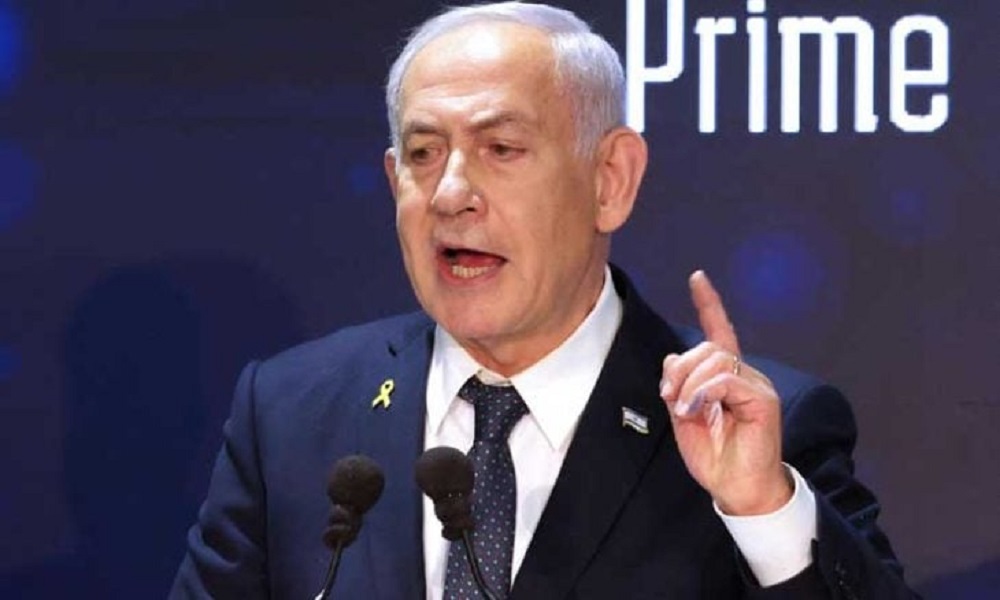
Ori directly addressed Prime Minister Benjamin Netanyahu, whose far-right coalition is accused by critics of prolonging the war for political survival:

“When will you understand it’s time to stop? When we reach 900 dead? A thousand? Please. Just stop.”

Related Articles

Back to top button