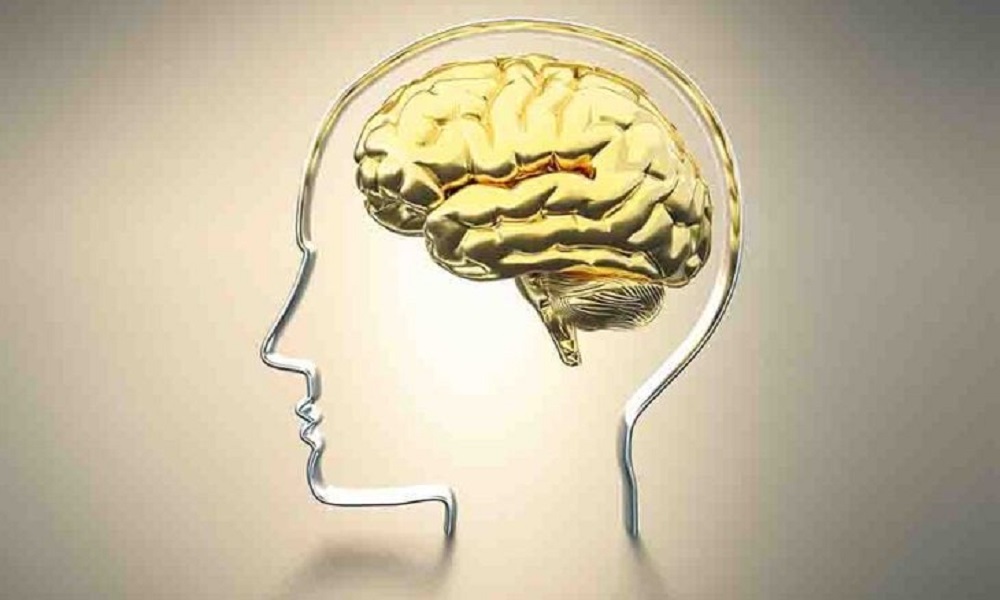
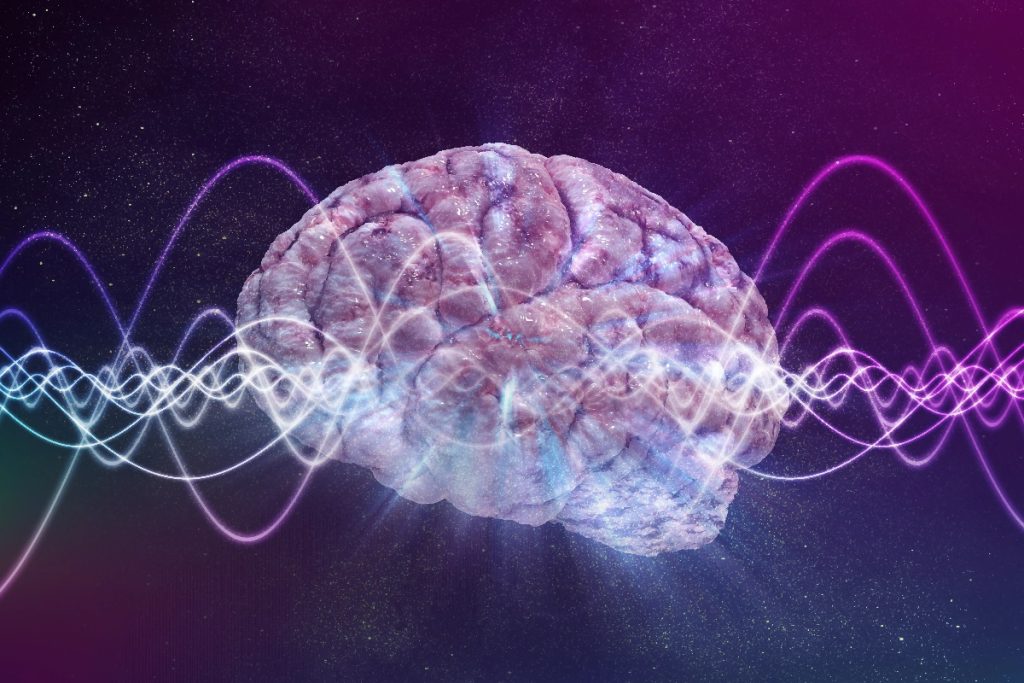
Watan-A Canadian research team has discovered that the human brain emits a faint light glow detectable outside the skull, and this glow changes depending on mental activity.
While scientists previously believed bioluminescence was limited to organisms like jellyfish or certain fungi, research now reveals that all humans emit what is known as bio-photons from embryonic development until death, according to a report by the science website Science Alert.
Led by biologist Hailey Casey from Algoma University, the team found that the human brain emits a weak glow measurable from outside the skull. Even more fascinating, the intensity of this glow changes based on brain activity. These surprising results were achieved through highly controlled experiments conducted in complete darkness using ultra-sensitive equipment capable of detecting even the faintest light emissions.
Brain’s Hidden Light Signals May Revolutionize Mental Health Diagnosis
The study observed participants during rest and while performing auditory tasks, and a clear difference in light patterns was found between the two states. This discovery may pave the way for developing a groundbreaking non-invasive diagnostic technology called photoencephalography, which could become a tool to assess brain health and function.
Unlike typical thermal radiation, bio-photons are byproducts of metabolic activity in cells, as electrons emit photons when they lose energy. While this phenomenon occurs throughout the body, the current study focused on emissions from the brain.
Brain’s Hidden Light Signals May Revolutionize Mental Health Diagnosis
Despite the excitement, scientists acknowledge that much work remains to fully understand how neural structures influence these light patterns and whether different mental tasks produce distinct bio-photon signatures. Researchers also wonder if each person has a unique “light fingerprint” that could serve as a diagnostic baseline.
This study marks only the beginning of exploring the brain’s hidden light language. As technologies to measure these faint signals improve, we may be on the verge of a revolution in understanding the human brain and diagnosing its disorders.