Iran Considers Closing Strait of Hormuz Amid Escalating Tensions
IRGC official confirms closure remains an option pending Supreme National Security Council approval, despite parliamentary support.
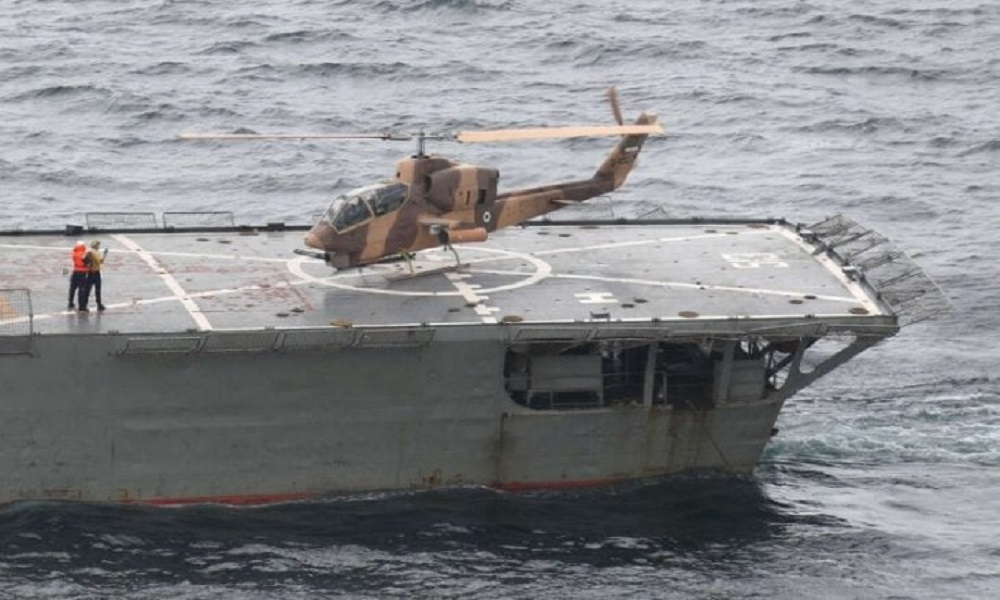
Watan-Iran’s Press TV reported on Sunday that a final decision to close the Strait of Hormuz—a critical maritime chokepoint for global energy—will require the approval of Iran’s Supreme National Security Council, despite recent reports that the Iranian Parliament has already endorsed the measure.
While the closure is not yet official, it remains under serious consideration.

Ismail Kowsari, a member of parliament and senior Islamic Revolutionary Guard Corps (IRGC) commander, told Young Journalists Club on Sunday:“Closing the strait is on the table and will be decided if deemed necessary.”
Background: Why the Strait of Hormuz Matters
The Strait of Hormuz is one of the world’s most strategic maritime passages. Roughly 20% of global oil and gas supplies—more than 18 million barrels per day—transit this narrow channel linking the Persian Gulf to the Arabian Sea. Any closure, even temporary, could cause global energy prices to surge, disrupt trade, and escalate military tensions.
Iran has previously threatened closure of the strait during conflicts or sanctions-related crises, especially when its oil exports or sovereignty were challenged. However, doing so would likely provoke international backlash and potentially a direct military response from the U.S. and Gulf states.
Current Context: War and Escalation
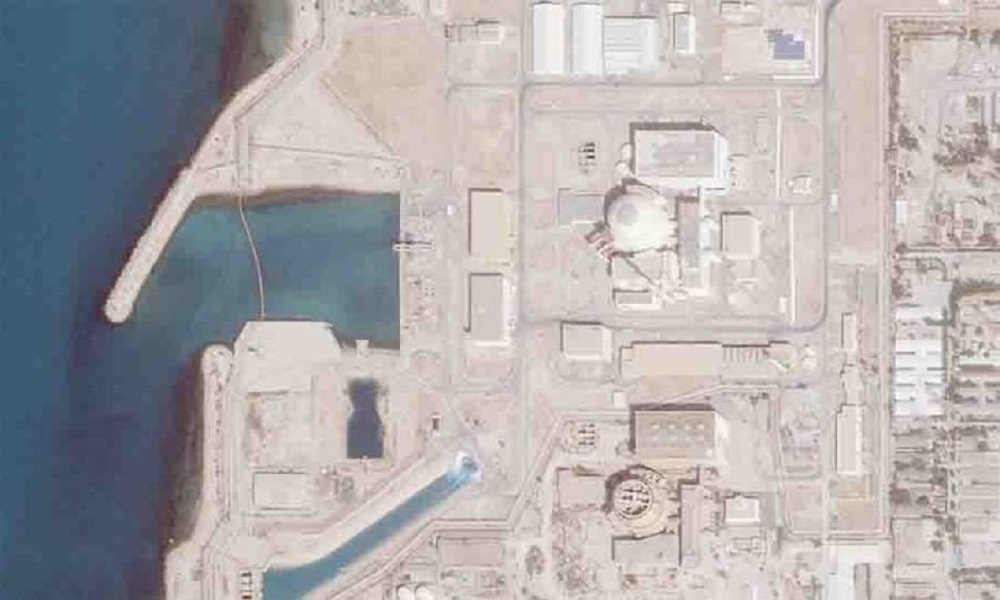
The renewed talk of closure comes amid heightened tensions following U.S.-Israeli military strikes on Iranian nuclear facilities, an event that has raised fears of a wider regional war. Iran’s government is reportedly under internal pressure to retaliate decisively, while weighing the broader consequences of disrupting global shipping.
Though the parliament’s approval signals rising political support for the move, final authority rests with the Supreme National Security Council, chaired by the president and including top defense, intelligence, and military officials.