Backchannel Diplomacy: U.S. and Iran Hold Direct Talks Amid Escalating Israel-Iran War
Envoys Abbas Araghchi and Steve Witkoff Speak Repeatedly as Iran Ties Nuclear Negotiations to Halt of Israeli Attacks.
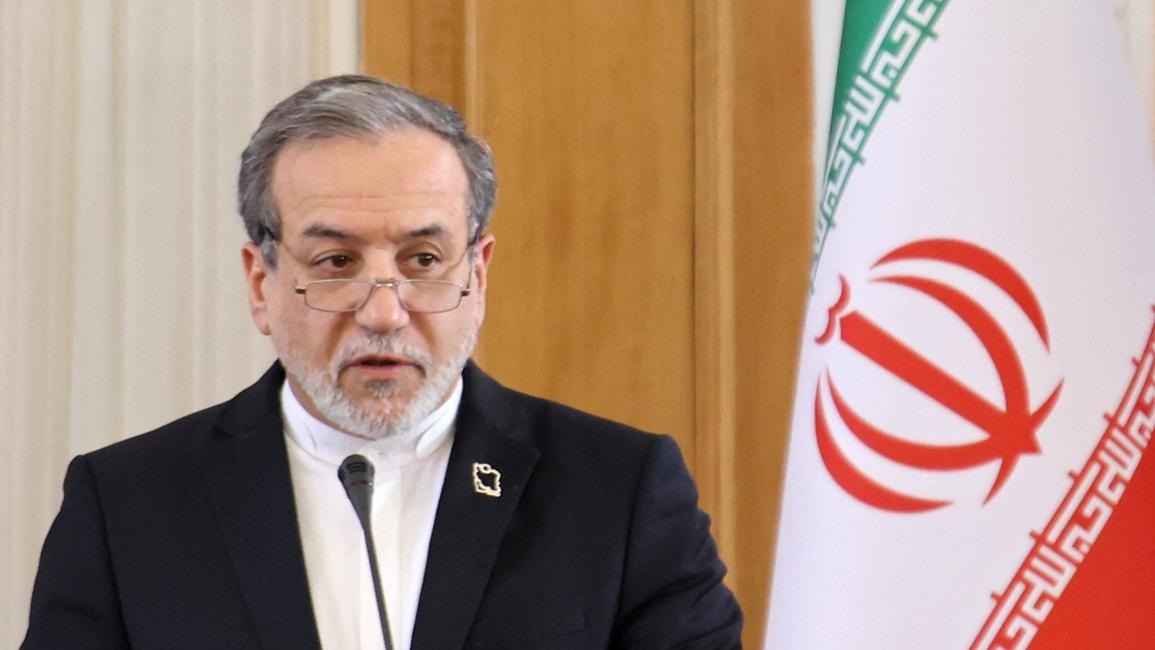
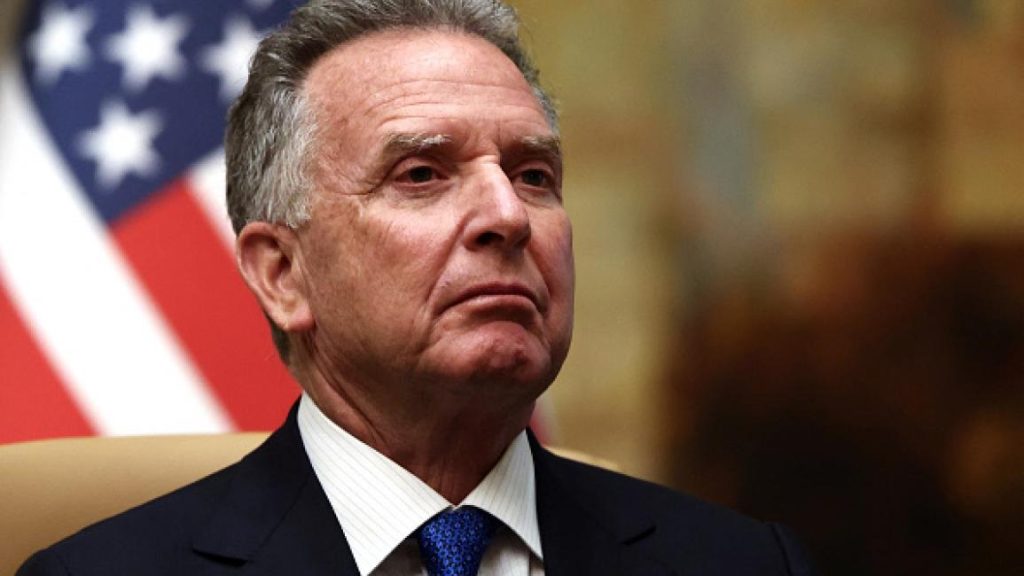
Watan-Reuters reported on Thursday that U.S. Special Envoy Steve Witkoff and Iranian Foreign Minister Abbas Araghchi have held multiple phone calls since Israel began its attacks on Iran last week. According to three diplomats, these discussions aim to find a diplomatic resolution to the crisis.
The diplomats, who spoke on condition of anonymity due to the sensitivity of the matter, said Araghchi informed Witkoff that Tehran will not return to negotiations unless Israel halts its attacks, which began on June 13. The talks also briefly touched on a U.S. proposal from late May to establish a regional consortium for uranium enrichment outside Iran—a plan Iran has so far rejected. Both Iranian and U.S. officials have not yet responded to Reuters’ request for comment.


These phone calls marked the most direct exchange between the two sides since negotiations resumed in April. Previously, Witkoff and Araghchi exchanged only brief words during indirect meetings in Oman and Italy.
Conditions for Returning to Nuclear Talks
A regional diplomat close to Tehran told Reuters that Araghchi told Witkoff Iran could show flexibility on its nuclear file, if Washington pressured Israel to end the war. A European diplomat added that Araghchi made it clear: Iran is willing to return to the table—but not while Israeli airstrikes continue.
Prior to this, Araghchi and Witkoff had no direct communication apart from brief encounters following five rounds of indirect negotiations since April regarding the long-standing nuclear dispute. A second regional diplomat revealed that Washington initiated the contact and floated a new offer aimed at overcoming the impasse over red lines.
Possible Meeting with Trump?
The New York Times cited a senior Iranian official saying Iran might accept an offer by President Donald Trump to hold a meeting soon, despite Supreme Leader Ali Khamenei’s opposition. According to the paper, Araghchi himself would be willing to attend the meeting to negotiate a ceasefire with Israel.
Late Wednesday night, Araghchi affirmed that Iran remains committed to diplomacy, though it will continue defending itself. In a post on X, he wrote:
“Iran acts solely in self-defense. Even in the face of brutal aggression against our people, we have responded only to the Zionist entity, not to those enabling or encouraging it.”
“Unlike the illegal occupying entity committing genocide, we remain committed to diplomacy.”
Trump Open to Dialogue
Speaking from the White House on Wednesday, Donald Trump said Iran had expressed interest in a meeting with the U.S., and noted,“We may agree to it.”
He added that no final decision had been made yet but believes a deal with Iran is still possible.
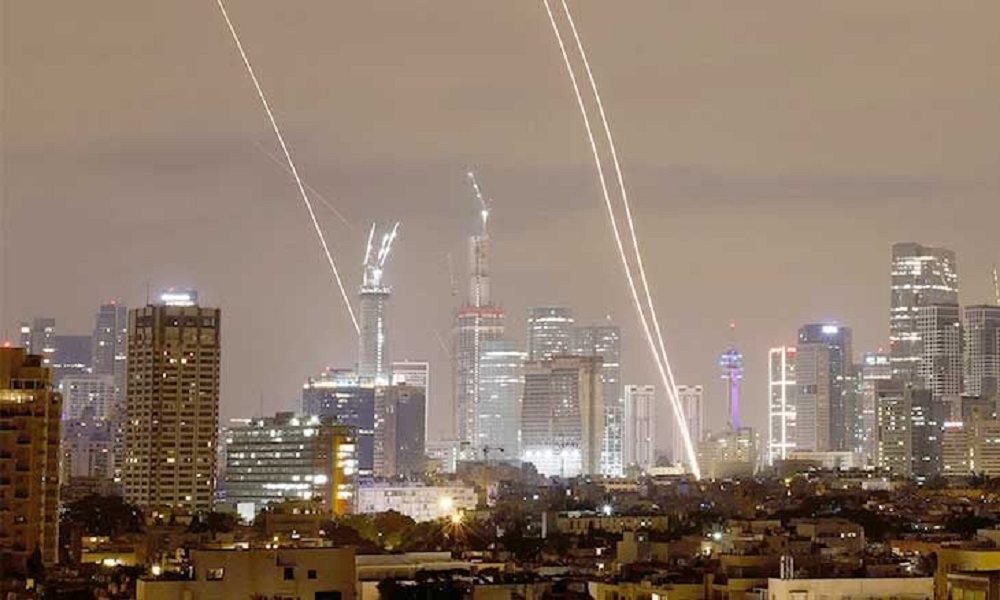
14th Wave of Iranian Retaliation
On Thursday morning, Iran launched its 14th wave of missile strikes on Israel in retaliation for the ongoing Israeli offensive, which began early June 13 with U.S. support.
That attack involved Israeli strikes on residential areas, nuclear facilities, missile bases, and the assassination of top military and nuclear officials.
Iran began its counterstrikes later that evening, launching ballistic missiles and drones, which caused both casualties and extensive damage, according to the Israeli Government Press Office.