Unraveling the Mystery of Identifying and Targeting a Shaldag Special Forces Officer
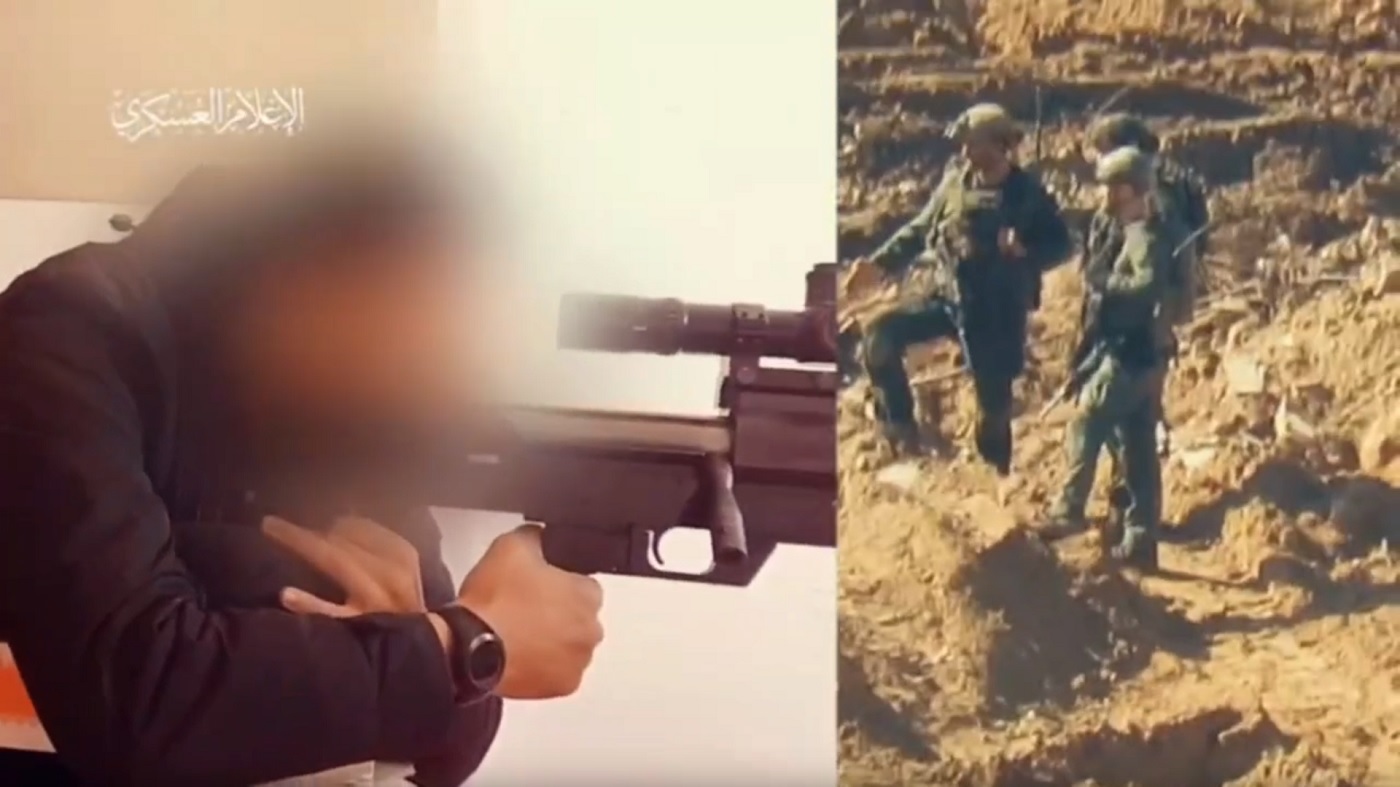
Watan-Bloggers have claimed that the officer Yitzhar Hofman from the Shaldag Special Forces unit in the Israeli army, who was announced dead last Wednesday, was killed by a Palestinian sniper west of Gaza City. This was shown in a video released by the Qassam Brigades on Thursday.
The Qassam Brigades, the military wing of the Hamas movement, broadcast scenes of battles fought by its fighters against the Israeli occupation army west of Gaza City, showing the moment of sniping an Israeli officer and his killing, while two soldiers accompanying him in the same location managed to escape the targeting.
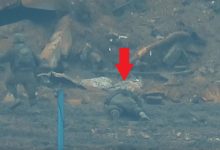
Activists confirmed that the soldier sniped by the Qassam Brigades’ rifle is Officer Yitzhar Hofman from the Shaldag Special Forces unit, whose death was announced by the army.
📷#شاهد لحظة قنص #قناص #كتائب_القسام ضابطا في جيش الاحتلال الإسرائيلي غرب مدينة #غزة وهروب جنديين كانا معه بعد إصابته ومقتله. pic.twitter.com/sWTHq2tys2
— وطن. يغرد خارج السرب (@watanserb_news) February 1, 2024
Twitter users questioned how the sniper knew the officer’s rank and chose him among two others who were with him at the time of the operation.
Shaldag is an elite unit of the Israeli Air Force, also known as Unit 5101.
Officer Yitzhar Hofman was injured in the early days of the war with a gunshot wound to his leg. When he reached the hospital, he requested to return to combat, according to Israeli accounts.
🔴🔴🔴
الرائد يتسهار هوفمان قائد فصيل في وحدة شيلداغ ” الوحدة الخاصة الاكثر مهارة وتدريباً في الجيش الاسرائيلي ”
كيف عرفه القناص واختاره من بين الاثنين الاخرين ؟؟ pic.twitter.com/rv1zOnpNzg— موشى يائير יאיר משה (@mosha3324) February 1, 2024
Yitzhar Hofman, who was supposed to receive an honor certificate at a ceremony next week, was killed by the resistance in Gaza, according to Israeli journalists.
Israeli bloggers also mentioned that Officer Hofman supervised the Israeli army’s control of Shifa Hospital in Gaza City.
היום נהרג רס״ן במיל׳ יצהר הופמן מיחידת שלדג.
יצהר כבר סוכם למצטיין מלחמה בסיסי במילואים בבח״א 30 והיה אמור לקבל תעודה בטקס בשבוע הבא…
יצהר התרגש מאוד מהמעמד, צורף לקבוצות הוואטספ של המצטיינים ואף הצטלם לסרטון המצטיינים מחזיק בדגל ישראל.
זו תמונה מהסרט, והתעודה שכבר הוחתמה… pic.twitter.com/eHY6Pou0iY— ינון מגל (@YinonMagal) January 31, 2024
On Friday, 2/2/2024, the Qassam Brigades announced their success in targeting 15 Zionist soldiers from point-blank range in the Passport area west of Gaza City.

On the 119th day of the war, Palestinian resistance factions announced that they inflicted casualties, killed and wounded Israeli soldiers amid intense clashes in Khan Yunis and Gaza City. Meanwhile, the occupation army continued its heavy shelling of residential areas, resulting in new casualties.