WSJ: “Shadow of al-Qassam” Becomes New Hamas Leader Amid War, Isolation, and Attrition
Izz al-Din al-Haddad, a veteran fighter and planner of the October 7 attacks, assumes command of Hamas under mounting military pressure, financial strain, and dwindling resources.
Hamas has submitted a “positive” response to the latest ceasefire and prisoner swap proposal in Gaza, signaling willingness to begin negotiations.
Watan-In a report by The Wall Street Journal, journalists Summer Said, Dov Lieber, and Anat Peled reveal that Izz al-Din al-Haddad—nicknamed “The Shadow of al-Qassam”—has become the third Hamas commander in Gaza in just seven months. He has taken leadership amid enormous challenges, including declining military capabilities, severe financial shortfalls, and arms scarcity. Yet despite these setbacks, Hamas remains a powerful and dominant force in Gaza, demonstrating resilience by quickly replacing leaders and adapting its structure. Al-Haddad is reportedly open to discussing some demands.
More than 600 days into the war originally overseen by Yahya and Mohammed al-Sinwar, al-Haddad has emerged as the new Hamas leader. A seasoned fighter, he was involved in the planning of the October 7 attacks and managed fighter recruitment and hostage operations—reportedly keeping photos of several captives on his phone, according to Arab and Israeli sources. His rise comes as the Israeli army continues expanding its control over most of Gaza.
The Journal notes that al-Haddad faced no competition for the leadership role, as very few members of Hamas’s military council remain alive following the Israeli assassination of Mohammed al-Sinwar in a strike on the European Hospital and the deaths of thousands of fighters. Still, Hamas has managed to replace leaders rapidly, underscoring its organizational durability despite Israeli Prime Minister Benjamin Netanyahu’s declared goal to eradicate the group.
Yahya Sinwar
While Hamas has lost control in areas like Rafah along the Egyptian border and has faced internal protest, it still commands the strongest armed presence in Gaza. It recently executed individuals accused of aid theft or of belonging to an Israeli-backed militia.
Michael Milshtein, a former senior Israeli military intelligence official, told the Journal:“They’re weaker than 20 months ago, but let’s be precise—they still control the public space and remain the primary player in Gaza.”
Al-Haddad, 55, is known as “the shadow” for his elusive nature and has survived multiple assassination attempts, though both of his sons were killed in this war. After Israel announced Mohammed al-Sinwar’s death in late May, Israeli Defense Minister Yoav Gallant declared that al-Haddad and senior Hamas figure Khalil al-Hayya were next on the list.
Arab and Israeli officials say al-Haddad rose through the ranks by leading a large combat unit and working in Hamas’s Majd intelligence network—run by Yahya al-Sinwar—to root out collaborators.
The day before the October 7 attacks, al-Haddad reportedly held a secret meeting with Hamas leaders and distributed a document ordering the mass kidnapping of Israeli soldiers.
After Yahya al-Sinwar’s reported death last year, al-Haddad assumed command of Hamas’s northern Gaza forces, while Mohammed al-Sinwar led operations in the south.
A former Israeli hostage told The Wall Street Journal that he met al-Haddad five times—first in March 2024, when al-Haddad, speaking Hebrew, asked him and two fellow captives how they were doing, informed them he was in charge of the prisoners, and asked if they needed anything. In a later meeting in January, al-Haddad was masked and more somber, expressing anger over Israel’s treatment of Palestinian detainees. The hostage later learned that al-Haddad’s two sons had been killed in Israeli airstrikes.
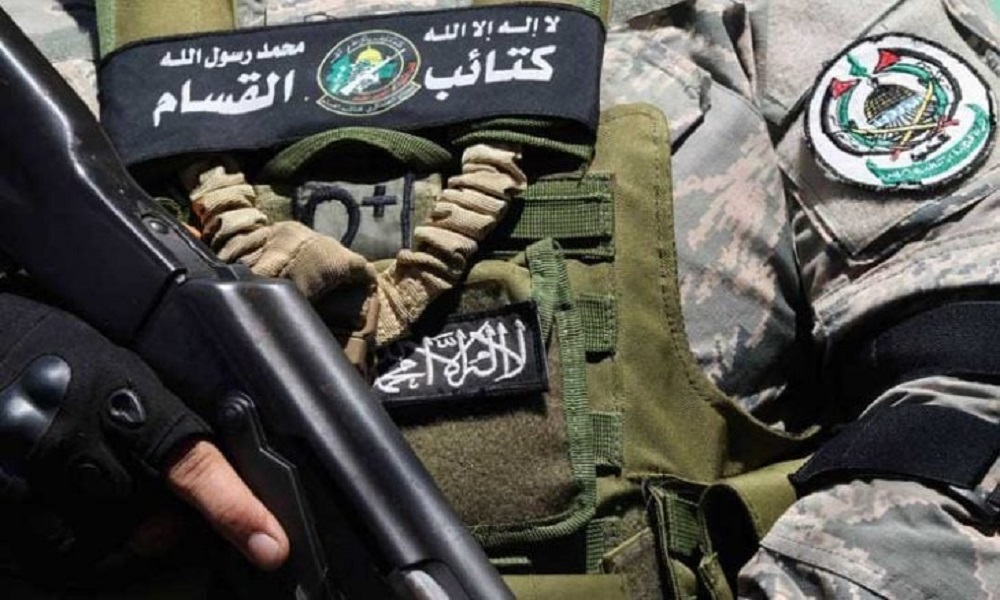
Al-Qassam Brigades
Israel claims it has inflicted heavy losses on Hamas, killing 20,000 fighters out of an estimated pre-war force of 35,000, though it has provided no detailed evidence for this number.
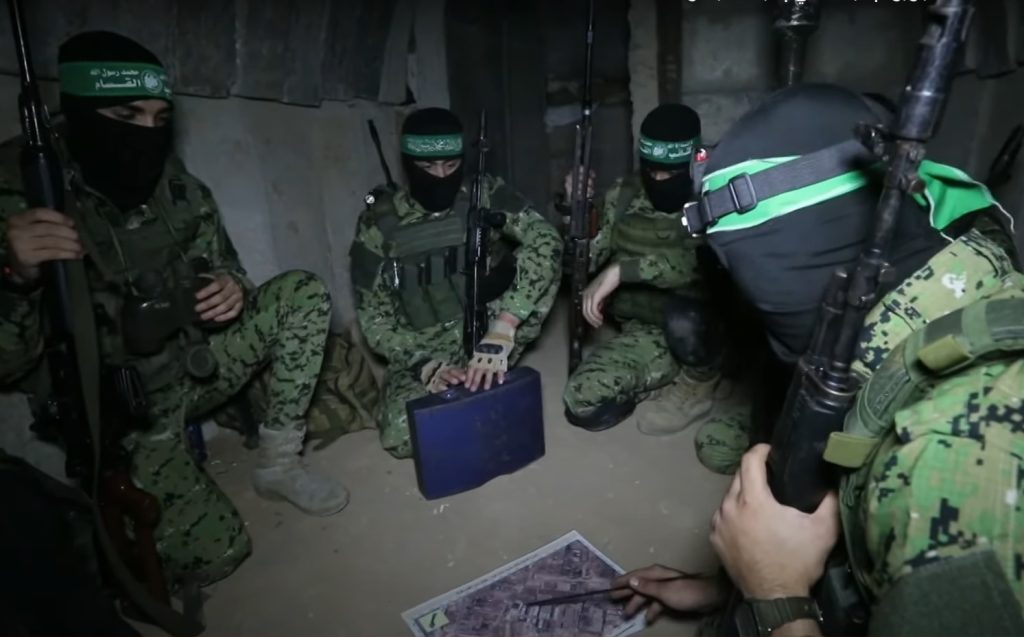
Despite challenges, al-Haddad has recruited new fighters who have received only minimal training. Security officials estimate Hamas’s current combat force to be around 25,000, in addition to thousands of fighters from other groups in Gaza. However, these fighters face serious shortages of arms, equipment, and funding.
The Israeli military estimates that Hamas had more than 20,000 rockets and mortars before the war, but only 15% of that stockpile remains.
According to Arab intelligence officials, by this spring, Hamas was facing such a severe cash crisis that it could no longer pay most of its fighters.
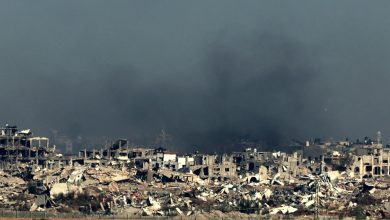
The Israeli army says it now controls 50% of Gaza’s territory and aims to isolate civilians in areas separated from Hamas influence. The military hopes to extend this control to 75% by the end of July.
Yet al-Haddad retains combat capabilities. The Israeli military acknowledges that 75% of Hamas’s tunnel network remains intact. The group is also reportedly recycling unexploded Israeli ordnance into roadside bombs for ambushes.
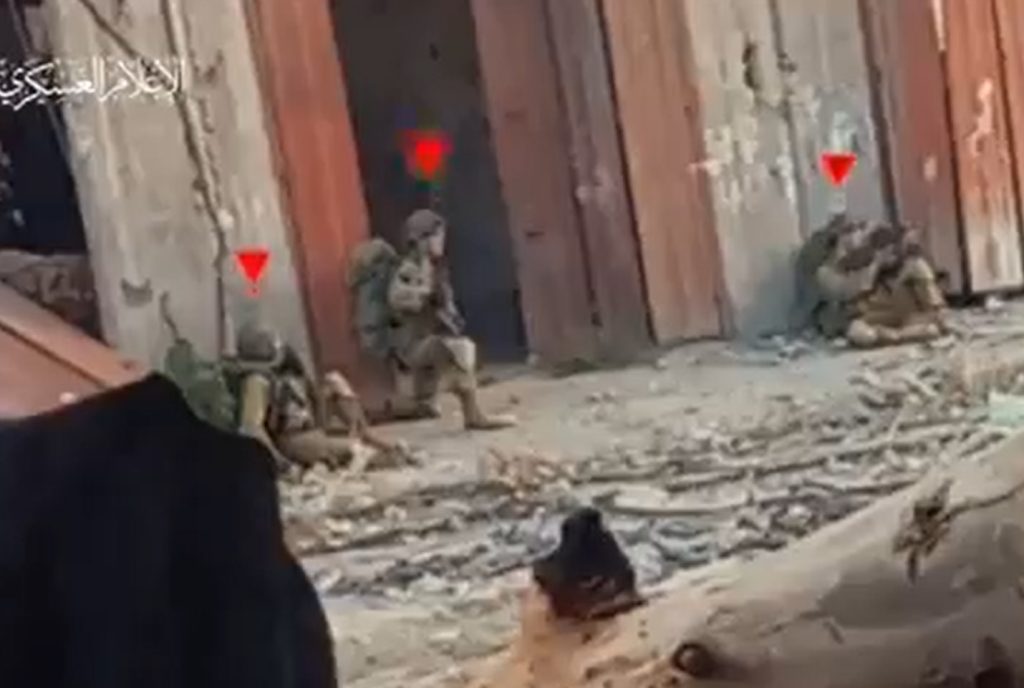
In early June, three Israeli soldiers were killed when a roadside bomb struck their Humvee in an area supposedly under full Israeli control. Days later, four more were killed in Khan Younis when an IED exploded as they entered a building.
Israeli soldiers losses
Former Israeli intelligence deputy chief Miri Eisin commented:“They don’t need tens of thousands of weapons. They just need to kill one soldier a day.”
The WSJ report concludes by noting that it is still unclear what direction al-Haddad will take Hamas. However, Arab intelligence and Hamas insiders describe him as more pragmatic than the Sinwar brothers. Still, like his predecessors, he insists that no hostages will be released without a full Israeli withdrawal and an end to the war.