Trump’s Travel Ban on 12 Countries Officially Enforced
New executive order bars entry to nationals from several African, Middle Eastern, and Asian nations, triggering global condemnation over racism and human rights concerns.
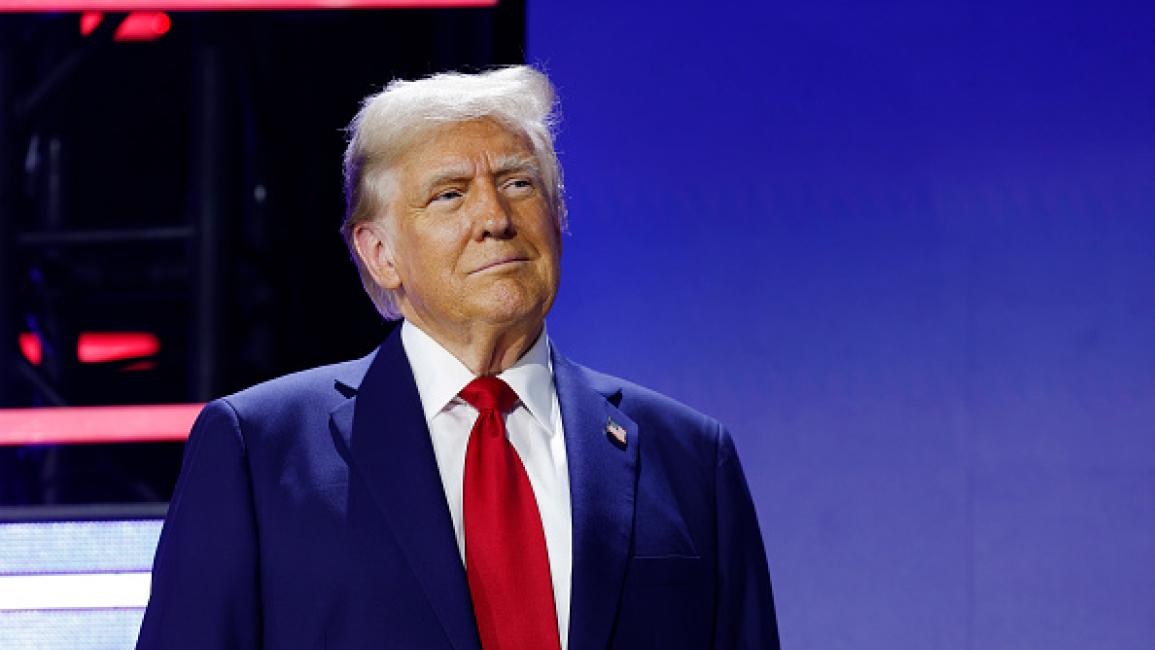
Watan-The travel ban on citizens of 12 countries, issued by former President Donald Trump last week, officially came into effect on Sunday night at 04:01 GMT, according to the presidential decree.
The order, justified by “protecting the United States from foreign terrorists and other national security threats,” targets citizens of Afghanistan, Burma (Myanmar), Chad, Republic of Congo (Brazzaville), Equatorial Guinea, Eritrea, Haiti, Iran, Libya, Somalia, Sudan, and Yemen.
The Trump administration, known for its hardline immigration policies, claimed the listed countries lack effective governance capable of vetting travelers and noted a tendency for some of their citizens to overstay U.S. visas.
Additionally, restrictions were imposed on citizens from seven other countries applying for U.S. visas: Burundi, Cuba, Laos, Sierra Leone, Togo, Turkmenistan, and Venezuela.
Trump compared the new “travel ban” to the effective restrictions he implemented during his first term (2017–2021), which mostly targeted Muslim-majority countries. He claimed those bans prevented the U.S. from suffering attacks similar to those seen in Europe.
Four countries—Iran, Libya, Sudan, and Yemen—appear in both versions of the ban.
“We won’t allow what happened in Europe to happen in America,” Trump said Wednesday.
“We cannot have open immigration from any country if we cannot safely and reliably verify the identities of those entering the United States.”
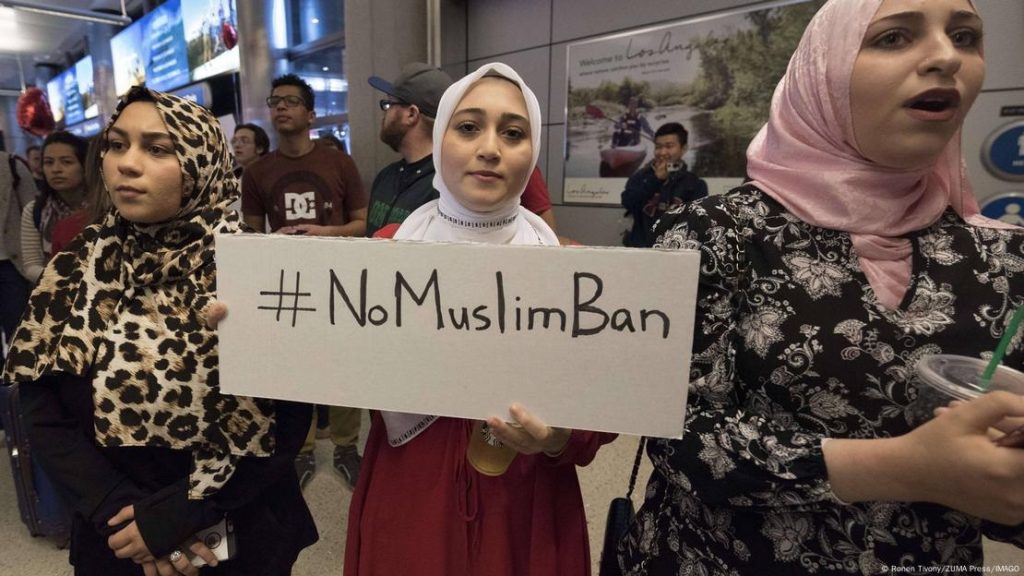
“Racist and Discriminatory”
Trump attributed his decision to a recent attack on a Jewish protest in Colorado, carried out by a man authorities say entered the country illegally.
“This recent terrorist attack in Boulder, Colorado, highlights the severe risks our country faces from unchecked foreign entry,” he said. “We don’t want them.”
However, the suspect in the Boulder attack—a 45-year-old man who injured 12 people while chanting “Free Palestine” and throwing Molotov cocktails—was not from any of the countries on the travel ban list. He was reportedly of Egyptian origin.
The decision drew sharp international criticism.
UN High Commissioner for Human Rights Volker Türk expressed concerns over the broad scope of the travel ban, citing violations of international law, including principles of non-discrimination and proportionality.
Amnesty International denounced the decree as “discriminatory, racist, and cruel.”
The African Union also voiced concern over the impact on seven African nations, warning the ban could damage decades of diplomatic, commercial, and educational exchange.
Chad, one of the affected African countries, responded by suspending visa issuance to U.S. citizens.
Iranian-American Congresswoman Yasmin Ansari wrote on X (formerly Twitter):“I know firsthand the pain these xenophobic and harsh travel bans inflict. My family suffered because of it. We will fight back with everything we have.”
Exceptions to the ban include holders of specific visas and individuals whose travel serves “U.S. national interests.”
The ban does not apply to athletes participating in the 2026 World Cup (hosted by the U.S., Mexico, and Canada) or the 2028 Olympic Games in Los Angeles.