Israel Uses Criminal Militias in Gaza, Resistance Responds with Targeted Operations
Leaked Operation Reveals Israel’s Secret Support for Armed Gangs to Weaken Resistance and Control Aid Distribution in Rafah.
Watan-Israeli Prime Minister Benjamin Netanyahu, who is wanted by the International Criminal Court for war crimes in Gaza, has admitted to supporting armed militias inside Gaza against Hamas, calling it a “good move” that helps protect Israeli soldiers.
This acknowledgment came in a brief video released after Avigdor Lieberman, head of the “Israel Beiteinu” party, revealed that Israel’s security apparatus—under direct orders from Netanyahu—secretly armed criminal gangs in Gaza without informing the Israeli security cabinet.

Although the Israeli government typically keeps such covert operations hidden until they serve their purpose, internal political disputes forced the premature exposure of the plan.
This strategy appears to be part of Israel’s post-war blueprint to weaken Hamas and prepare a “day after” alternative in Gaza by empowering proxy groups that operate under Israeli protection. Palestinian resistance forces have since listed these gangs as active targets.
Israeli-Backed Militias in Rafah
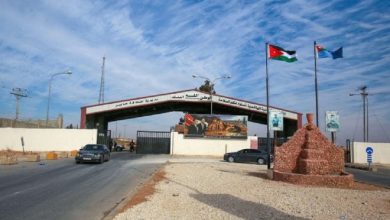
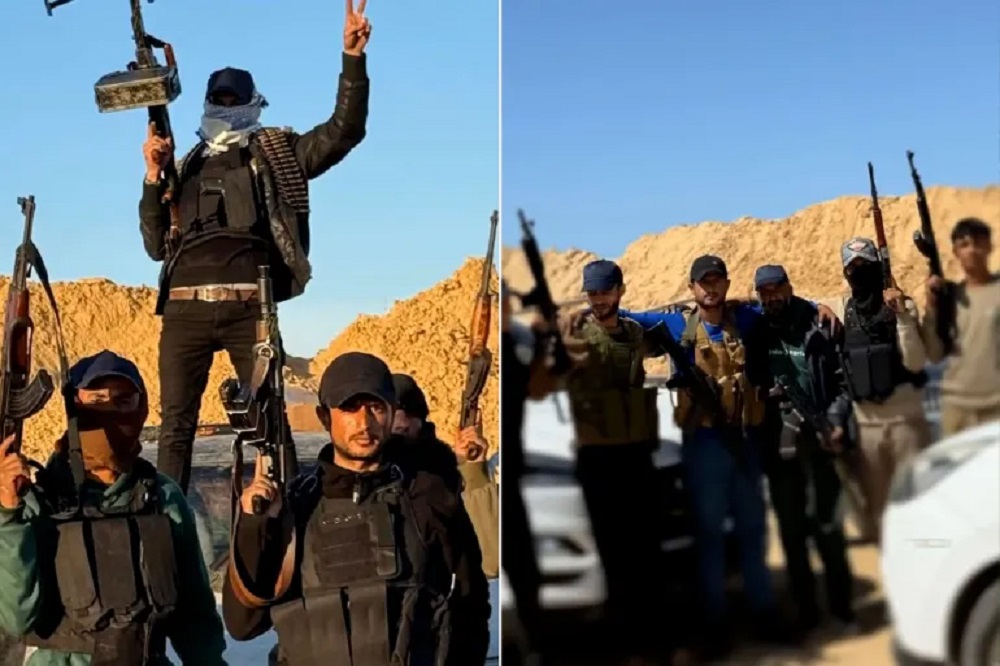
The recruitment of the militia led by Yasser Abu Shabab began in late 2024. They were given shelter in Israeli-controlled areas southeast of Rafah, close to the Rafah Crossing and the Kerem Shalom aid route—strategic points used to hijack and resell aid.
Israel armed the gang with weapons, body armor, helmets, and uniforms, including clothing marked with the Hebrew word “Madrikh” (instructor/guide), signaling their coordinated role within Israeli military operations.
Israeli media described Abu Shabab’s group as former ISIS affiliates and narcotics traffickers, now repurposed by Israel’s Shin Bet (internal security) to sow chaos in Gaza. The plan was approved by Shin Bet chief Ronen Bar, army chief Herzi Halevi, Defense Minister Yoav Gallant, and ultimately Netanyahu himself.
History Repeats Itself
This approach echoes earlier Israeli tactics in Rafah’s southeast, where collaborators once found refuge in a village known as “Al-Dahniya” or “Spy Village.” After Israel’s 2005 withdrawal, those collaborators were relocated to the Negev.
During the First Intifada, Palestinian resistance factions executed or punished collaborators, setting a precedent for current actions.
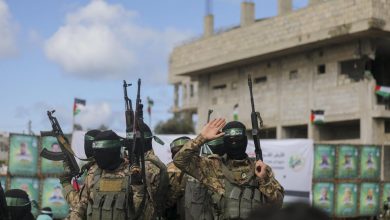
On May 30, Hamas’ armed wing, Al-Qassam Brigades, released footage targeting Israeli special forces disguised as civilians, later identified as part of Abu Shabab’s militia engaged in intelligence and looting missions.
Resistance Response and Intelligence Tracking
A senior source in Gaza’s security apparatus confirmed that Yasser Abu Shabab is now a top target. He and other gang members were previously detained on charges of murder and drug trafficking.
In a focused campaign, Gaza authorities recently re-arrested one associate, “A.N.” (35), previously jailed for killing a policeman and having a long criminal record, including connections to enemy forces. He now helps recruit new operatives for the militia.
Strategic Implications
Security analyst Rami Abu Zubaydah told Al Jazeera that Israel aims to create a loyal proxy force in Gaza—similar to the Antoine Lahad militia in South Lebanon or the village leagues in the West Bank in the 1980s.
He warned that these militias are deliberately designed to spark internal conflict, drain Hamas’ resources, and present Israel’s collaborators as an alternative authority in aid zones.
Abu Zubaydah highlighted that Israel targets marginalized individuals and criminals with offers of power and money, deploying them for intelligence missions—reflecting a shift toward chaotic, high-risk intelligence methods.
He emphasized the psychological and social war these militias are part of, calling for a strategic media campaign to expose them, dismantling their networks and delegitimizing them in the eyes of the Palestinian public.