Microplastics Are in Your Body—Here’s What Science Says You Can Do About It
From Antioxidants to Gut Health: How to Minimize the Harm of Ingested Microplastics.
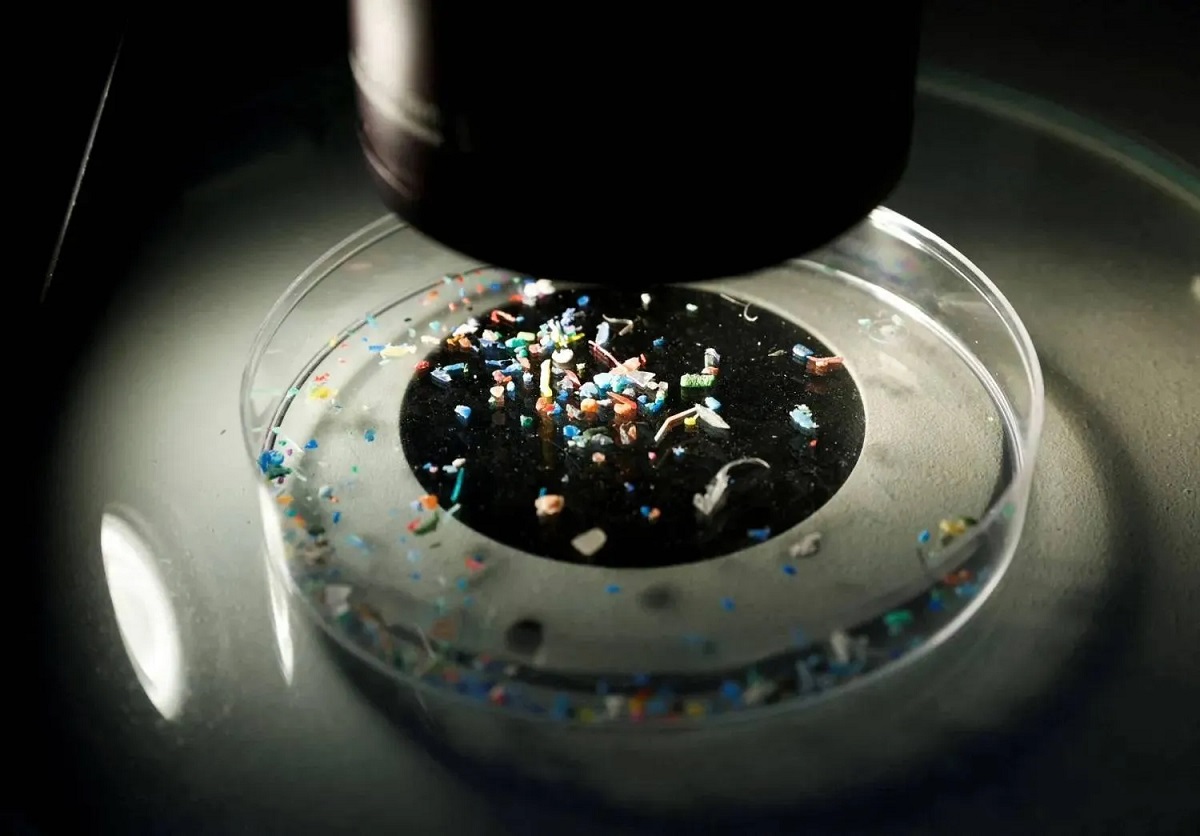
Watan-Humans ingest an average of 50 plastic bags worth of microplastics each year, according to Health Magazine. While it’s nearly impossible to eliminate exposure, researchers are beginning to explore how these tiny particles affect our bodies—and what we can do to minimize the damage.
Can You Remove Microplastics from the Body?
Although avoiding microplastics is extremely difficult, especially since they are found in air, food, and water, scientists have found that a portion of these particles can leave the body, especially larger ones that pass through the colon. Chemicals attached to microplastics also tend not to stay long in the bloodstream, meaning reduced exposure can lead to lower levels over time.
Still, some particles—particularly nanoplastics—can be absorbed into cells, form protein shells, and travel throughout the body, potentially reaching vital organs.

How Microplastics Affect Human Health
Dr. Matthew Campen, a toxicology professor at the University of New Mexico, explains that although definitive answers take time—just like with asbestos or cigarette smoke—studies already show links between microplastics and negative health outcomes in both animals and humans.
Researchers have found plastic particles in nearly every part of the body. The concern isn’t just the plastic itself, but also the chemicals they carry, including phthalates and BPA, which are measurable in human tissue.
According to Dr. Tracey Woodruff from the University of California, San Francisco, at least 4,200 out of 16,000 chemicals used in plastic production are of significant concern to human and environmental health
Health Risks from Microplastic Exposure
-
Chronic inflammation, potentially leading to over 100 diseases including Alzheimer’s and cancer
-
Hormonal disruption, affecting sleep, appetite, and fertility
-
Gut microbiome imbalance, impacting digestion and immunity
-
Increased risk of heart attack or stroke (found to be 5 times higher in people with more micro- or nanoplastics in artery plaques)
Can Diet Help Fight Microplastic Effects?
While no specific cure exists, dietary strategies show promise in mitigating the damage:
1. Antioxidants
A 2024 study by Dr. Iman Zarai and team found that anthocyanins—plant compounds in purple and blue foods like berries and grapes—may counteract hormone disruption, sperm damage, and other fertility issues caused by microplastics. They’re also linked to blood sugar regulation, heart health, and Alzheimer’s prevention.
2. Healthy Eating & Weight Management
A strong immune system is better equipped to manage toxin exposure. Maintaining a healthy weight, eating a balanced diet, and avoiding obesity are essential. Dr. Woodruff notes that good nutrition can build resistance to the harmful effects of plastic particles.
Microplastics are unavoidable—but their impact may be reduced through informed choices, such as minimizing exposure, eating antioxidant-rich foods, and supporting gut and immune health. Research is ongoing, but these proactive steps offer a foundation for resilience in a plastic-filled world.