
Breakthrough CAR-T Therapy Shows Remarkable Results Against Advanced Stomach Cancer
Satricabtagene Autoleucel (Satri-cel) Improves Survival and Tumor Shrinkage in Patients with Few Treatment Options.

Watan-A groundbreaking and innovative treatment for some of the most difficult-to-treat stomach cancers has shown promising results in a Phase II clinical trial, significantly improving tumor shrinkage and survival rates, according to Science Alert.
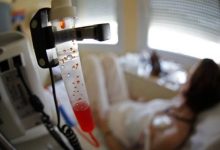
The therapy, a form of CAR-T cell immunotherapy, involves collecting a patient’s own immune cells, genetically modifying them to better target cancer cells, and then reinfusing them into the bloodstream.

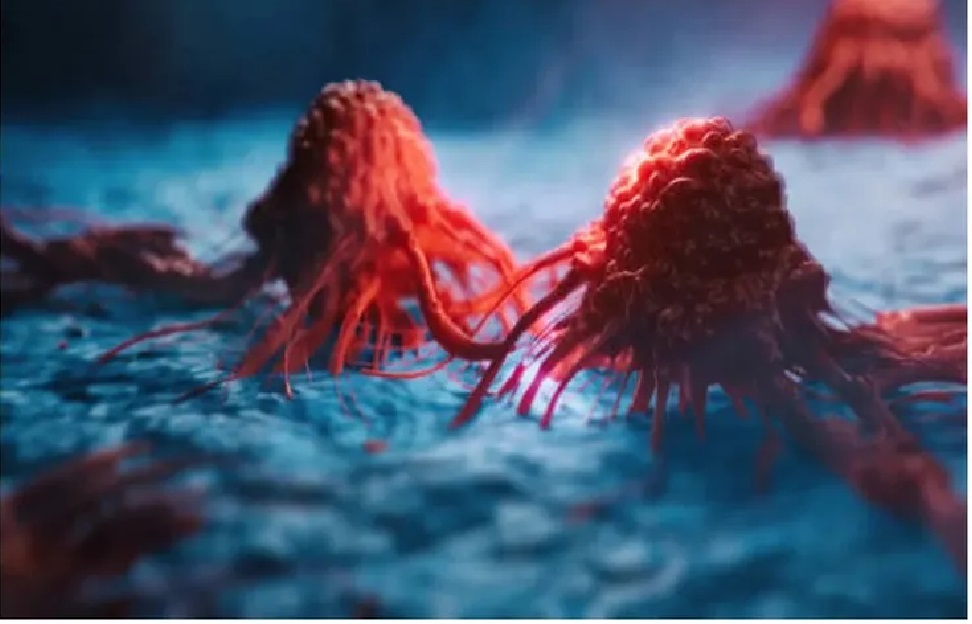
This specific treatment is called Satricabtagene Autoleucel, or Satri-cel, and it targets the CLDN18.2 protein, which certain tumors exploit to grow. Patients who received Satri-cel lived around 40% longer on average than those on traditional therapies.
The trial, conducted by researchers across institutions in China, found that tumors treated with Satri-cel were more likely to shrink and took longer to progress compared to those treated with conventional cancer drugs.
The study involved 156 participants with advanced gastric or gastroesophageal junction cancer who had already failed at least two other treatment options—patients with extremely limited alternatives.
Dr. Lin Shen of the Beijing Cancer Hospital stated:”For heavily pre-treated patients with advanced gastric or gastroesophageal junction cancer and poor prognoses, Satri-cel demonstrated superior effectiveness, offering significant clinical benefits including improved progression-free survival, overall survival, and tumor response rates.”
Key results include:
-
Median overall survival: 7.92 months with Satri-cel vs. 5.49 months with standard care
-
Tumor shrinkage: observed in 22% of Satri-cel patients vs. 4% in the control group
-
Time to disease progression: 3.25 months with Satri-cel vs. 1.77 months without
These results are considered remarkable across multiple clinical benchmarks, reinforcing the therapy’s potential in treating difficult cancers.
Dr. Shen concluded:”This introduces new hope for patients suffering from medically challenging and advanced-stage diseases.”