Rising Tensions Between Algeria and UAE: Silent Rivalry Turns Into Strategic Confrontation in Africa
From Diplomatic Friction to Regional Power Struggle: Algeria Accuses UAE of Undermining Its Sovereignty Through Intelligence Ties and Israeli-backed Influence in the Sahel.
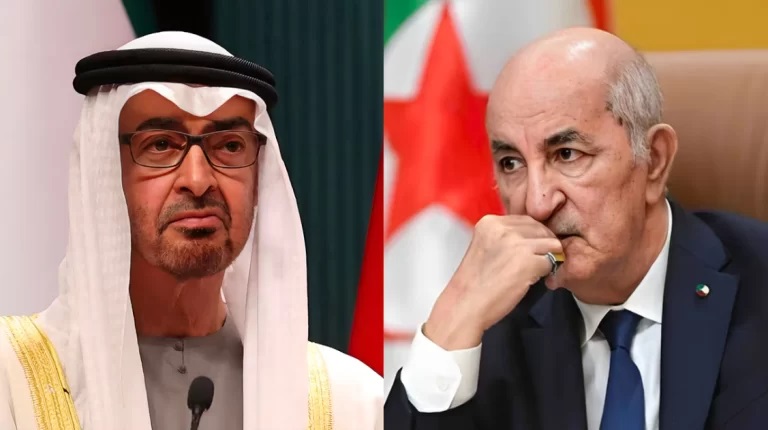
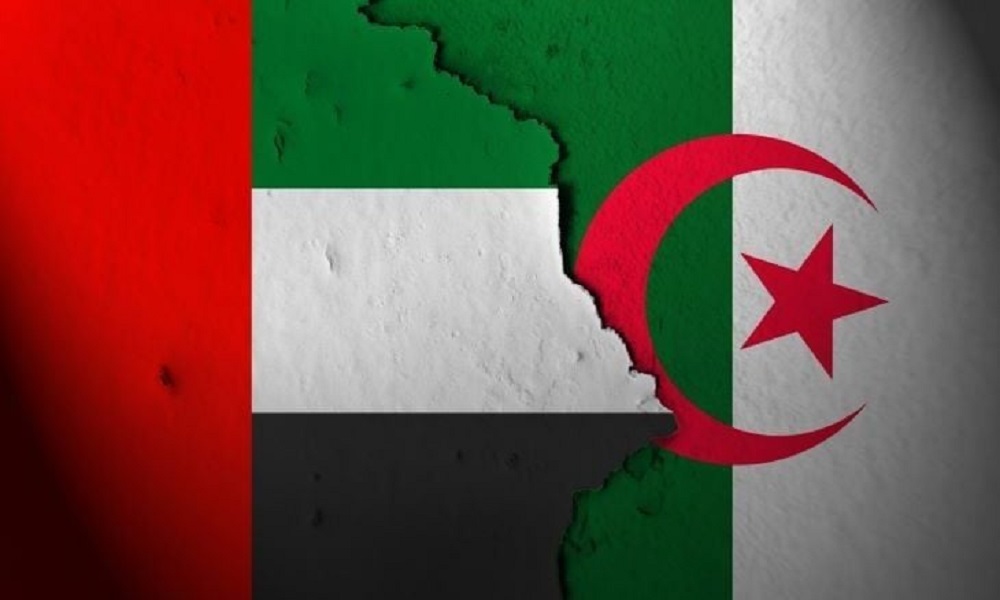
Watan-Amid unprecedented regional shifts, a silent but growing tension between Algeria and the United Arab Emirates (UAE) is emerging as a defining struggle for influence in the Arab world—especially across the geopolitically vital Sahel region of Africa.
What initially appeared as mere diplomatic friction has evolved into a more complex regional confrontation, where security and politics intertwine, and Abu Dhabi plays outsized roles through foreign alliances, most notably with Israel and select Western powers.
“Shadow Officer” Diplomat Sparks Crisis
The UAE’s ambassador to Algeria, Yousef Saeed Al-Khamees Saah Al-Ali, has become a flashpoint. Algerian media and sovereign sources have accused him of operating beyond diplomatic norms, describing him as a “shadow intelligence officer” due to his frequent trips to Mali, Niger, and Burkina Faso—countries now distanced from Algeria and aligned with Turkish-Russian-Emirati axes following military coups.
From Algeria’s perspective, these are not routine diplomatic visits but part of a broader Emirati strategy to infiltrate Algeria’s strategic depth, supporting unelected regimes and undermining Algeria’s historic anti-colonial stance in Africa.
Past Tensions Resurface
The friction did not begin with the ambassador. Abu Dhabi angered Algiers by publicly supporting Morocco’s position on Western Sahara, crossing what Algeria sees as non-negotiable nationalist red lines.
This position, viewed as siding with Algeria’s regional rivals, effectively neutralizes its traditional role as a defender of just Arab causes.
Moreover, Emirati media outlets—especially Sky News Arabia—have hosted controversial voices criticizing Algeria’s national identity and portraying it as a state in crisis in need of foreign “rescue.” This media engineering, Algeria claims, mirrors tactics used before military interventions in other Arab states.
UAE’s Expanding Intelligence Role in Africa
The UAE’s growing presence in the Sahel is deeply troubling for Algeria, which sees the region as a natural extension of its national security. Army Chief Saïd Chengriha has warned that Algeria will not allow foreign powers to impose agendas in this strategic frontier.
Emirati influence is perceived as part of a larger plan to marginalize Algeria’s role, by backing fragile military regimes and seeking alternative alliances that exclude Algerian coordination.
Dangerous Alliances: Israel as the Power Broker
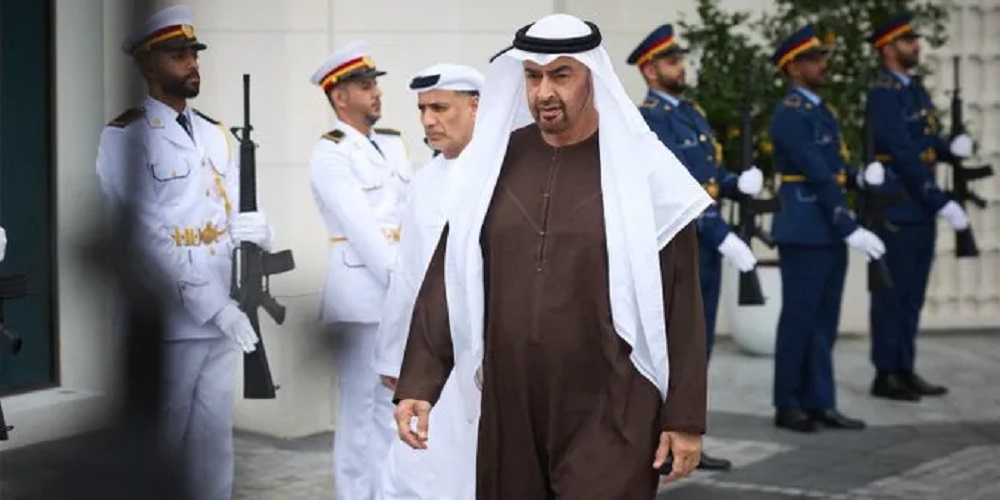
At the heart of this Emirati expansion is Israel, offering Abu Dhabi intelligence, technology, and international clout. Since the Abraham Accords, Israeli-Emirati coordination has spread into Africa, with shared interests in energy, surveillance, and geopolitical influence.
For Algeria, this represents a multi-layered threat—combining Emirati wealth, Israeli intelligence networks, and Western political backing—creating a challenging imbalance, yet one Algiers appears increasingly ready to confront.
Algeria Responds with Strategic Recalibration
Algeria’s response has not been passive. Since September 2024, the UAE ambassador has effectively disappeared from public activity—a signal that he is no longer welcome, though not officially expelled. El Khabar newspaper claims he is responsible for 80% of the current diplomatic tension.
Algeria is now reframing its regional strategy, emphasizing a “stability-through-development” approach rather than military intervention, a clear critique of UAE’s militarized foreign aid model.
Algerian officials also insist they will not accept marginalization or secondary roles in their vital regional sphere. Analyst Rachid Allouche stresses that Algeria remains a core actor with historical legitimacy and popular support, unlike the UAE’s externally-backed ambitions.
A Deepening Political Identity Crisis
What began as questionable diplomatic behavior has escalated into a crisis of political identity and strategic relevance. For Algeria, the UAE’s maneuvers—though cloaked in Arab partnership—are essentially non-Arab interventions challenging its sovereignty and regional primacy.
As the UAE seeks a foothold in Africa, it faces a fierce rival in Algeria, a state unwilling to cede its role, especially when foreign alliances are used to override national independence.
Unless the UAE recalibrates, Algeria appears poised to fundamentally reassess its ties with Abu Dhabi, especially if the latter continues to exploit regional contradictions, expand at the expense of neighboring states, and use its Israel-West axis against Arab interests.