Egypt Moves to Privatize Religious Endowments, Sparking Outrage Over “Selling the Poor’s Assets”
A new government decision to open Egypt’s religious endowments for private sector partnerships triggers backlash from religious scholars and citizens, who call it a dangerous assault on public wealth and the nation’s spiritual heritage.
Watan-The Egyptian regime has recently launched one of its most controversial and dangerous economic initiatives by announcing a plan to catalog and offer the assets of the Egyptian Endowments Authority (Awqaf) for partnership with the private sector—a move widely described as the systematic sell-off of poor people’s endowments for the benefit of businessmen and those close to the ruling elite.
The decision, discussed by Prime Minister Mostafa Madbouly and Minister of Religious Endowments Osama Al-Azhari, has sparked broad social and religious alarm, especially given that the Awqaf Authority controls assets estimated at over 5 trillion Egyptian pounds. These assets include massive real estate portfolios, agricultural lands, historical properties, banks, and both public and private companies.
While the government defends the move as part of its “economic reform and investment stimulation plan,” critics argue that it’s a desperate attempt to plug budget deficits by looting religious endowment funds—especially under IMF pressure to cut government spending and expand privatization.
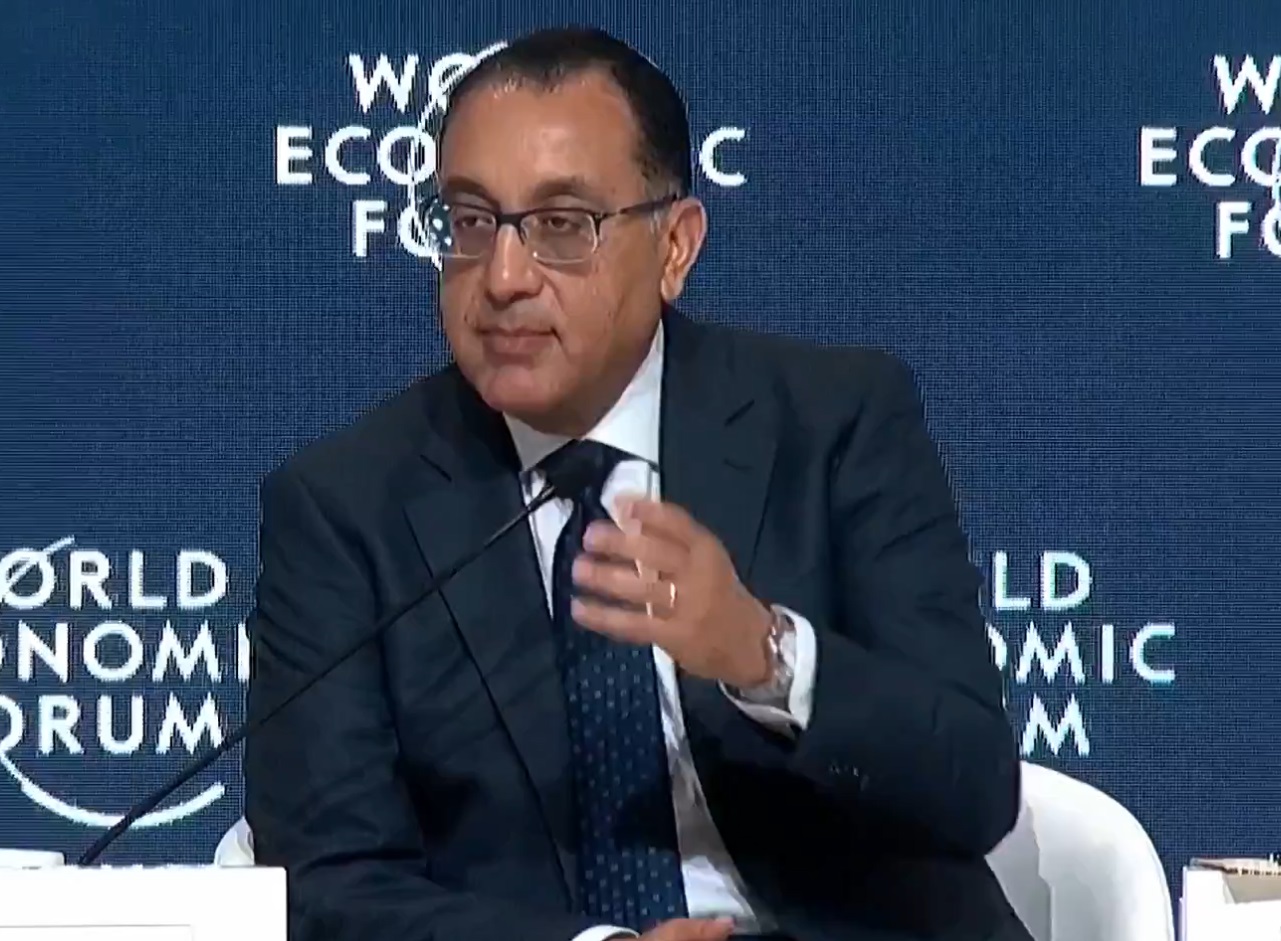
Religious scholars have strongly condemned the move, stressing that waqf (endowment) funds cannot be sold or transferred under Islamic law. The original conditions of the donors are legally and religiously binding, and any violation is considered a grave ethical and legal offense. They emphasized that endowment funds were established for the poor, education, and healthcare, not as a tool for government revenue generation or enrichment of investors.
On the ground, the effects are already being felt. Rents on endowment lands have surged, forcing many farmers and families to abandon their plots due to inability to pay the new rates.
Activists have labeled President Abdel Fattah el-Sisi a “bankrupt merchant,” accusing him of plundering every remaining asset in Egypt, including the religious endowments that have long enjoyed sacred and constitutional protections.
Now, many Egyptians are left asking: After selling the land, the ports, and the water—will the endowments of our ancestors be the final sacrifice? Are the poor’s assets now the last to be looted in a country losing pieces of its soul and legacy each day?