The Best Time to Eat: Aligning Your Meals with Your Body Clock for Optimal Health
Why timing your meals—especially breakfast and dinner—can be as important as what you eat.
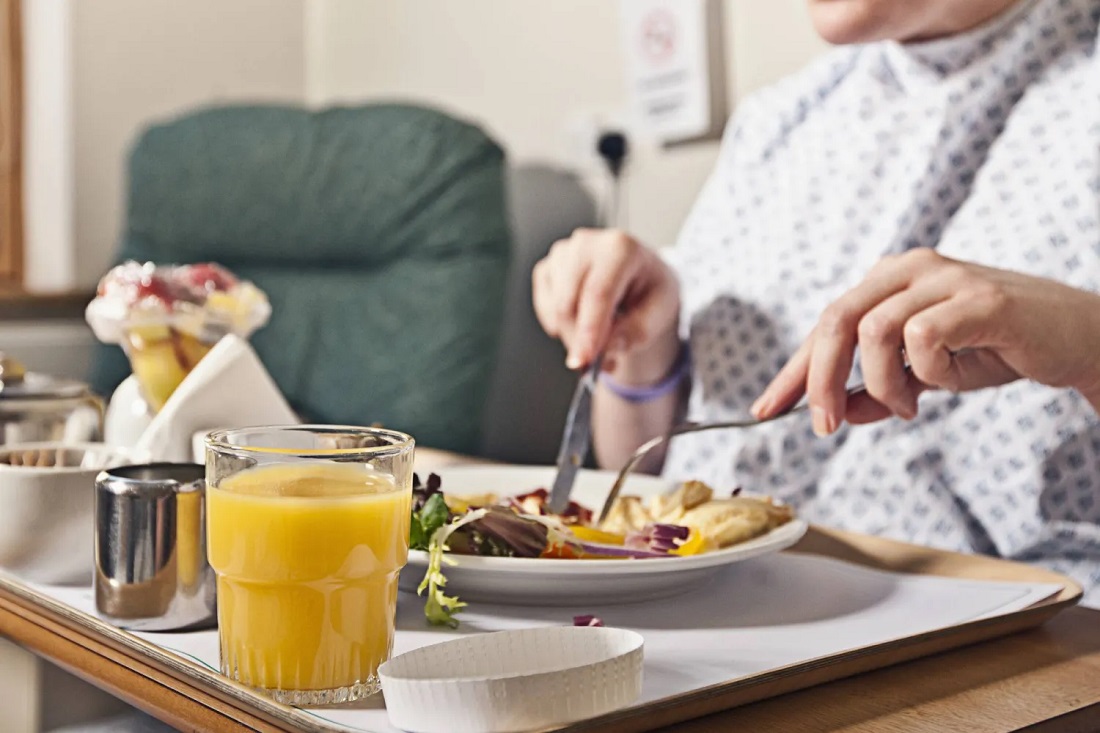
Watan-No one can offer a one-size-fits-all answer to the question: When should you eat your meals?
Different Meal Goals
The primary reason is that people eat for different purposes. Some aim to nourish their bodies with macronutrients (carbohydrates, fats, proteins) and micronutrients (vitamins, minerals, antioxidants) to support their physical and mental health, maintain energy for daily tasks, and keep digestion smooth. Others eat to lose weight—especially belly fat—or to build muscle and optimize protein intake.


Then there are specific dietary needs for pregnant women, children and teens, adults, the elderly, people with diabetes, kidney or liver issues, or those recovering from illness or surgery.
So, there’s no universal rule for meal timing. However, the foundation is distributing your daily caloric intake—typically between 1600 and 2000 calories—into two or three meals (e.g., breakfast and dinner or breakfast, lunch, and dinner).

Timing Is Everything
According to nutritionist Raven Nairn from Johns Hopkins University, “There’s a commonly overlooked element in nutrition: eating at the right times.” Research shows that the body’s ability to manage appetite is closely tied to the circadian rhythm—a 24-hour cycle that regulates bodily functions, metabolism, and behavior.
Nairn warns that when meal times are misaligned with your natural sleep-wake cycle, it can undo the benefits of a healthy diet. Misaligned eating patterns can increase the risk of obesity, type 2 diabetes, and cardiovascular disease.
The Golden Window: 6 AM to 10 PM
The first key to better meal timing is aligning your meals with your natural biological clock. Starting your day at 6 AM and ending it around 10 PM enhances your body’s ability to burn calories and carbs more efficiently. This schedule reduces the risk of nighttime binge eating, which often sabotages weight loss efforts.
Ideal Times for Breakfast and Dinner
Breakfast:
Should be eaten within 1–2 hours of waking up, ideally between 7–8 AM—even if you’re not hungry. Morning hunger cues are often suppressed during sleep, so eating early helps kickstart your energy levels. Be mindful that caffeine can suppress appetite, which might trick you into skipping a vital meal.
Dinner:
Should be consumed at least 2–3 hours before bed, around 7 PM. This ensures proper digestion before your metabolism slows for the night and reduces risks of indigestion or acid reflux.
People with higher discipline might stop eating altogether by 3–4 PM, achieving intermittent fasting of 12 to 16 hours—shown to lower cholesterol and inflammation, and to enhance circadian rhythm alignment.
Note: If you’re hungry, eat—regardless of the clock. Learn to respond to real hunger cues to prevent energy dips, irritability, and poor concentration.

Meal Timing and Weight Loss
To flatten your belly and lose weight, remember two things:
-
You need enough daily calories to fuel your body.
-
The timing of your meals helps regulate hunger hormones, improve fat burning, and prevent late-night snacking.
A Sample Daily Meal Plan from Johns Hopkins:
-
6:00–9:45 AM (Breakfast):
Low-fat protein (eggs, lean sausage, yogurt), low-sugar fruits (berries, apples, citrus), and complex carbs (whole grain bread, oats). -
1:00 PM (Lunch):
Early lunch is ideal to prevent overeating later. Late lunches (after 4:30 PM) may impair glucose tolerance and cognitive function. -
6:30 PM (Dinner):
A fiber-rich, early dinner (by 7 PM) helps burn calories more effectively and promotes better sleep. Avoid heavy meals at 10 PM or later.
Summary of Recommendations:
-
Breakfast: Within 2 hours of waking; focus on lean protein + low-sugar fruit.
-
Lunch: Around midday; focus on lean protein + complex carbs.
-
Dinner: Before 8 PM; focus on fiber + low saturated fats.
-
Snacks: Fiber-rich and protein-based.