Algerian Historian Jailed Over Controversial Comments on Amazigh Identity
Historian Mohamed El-Amine Belghith faces pretrial detention after remarks on Amazigh roots spark outrage and reignite tensions between Algeria and the UAE.
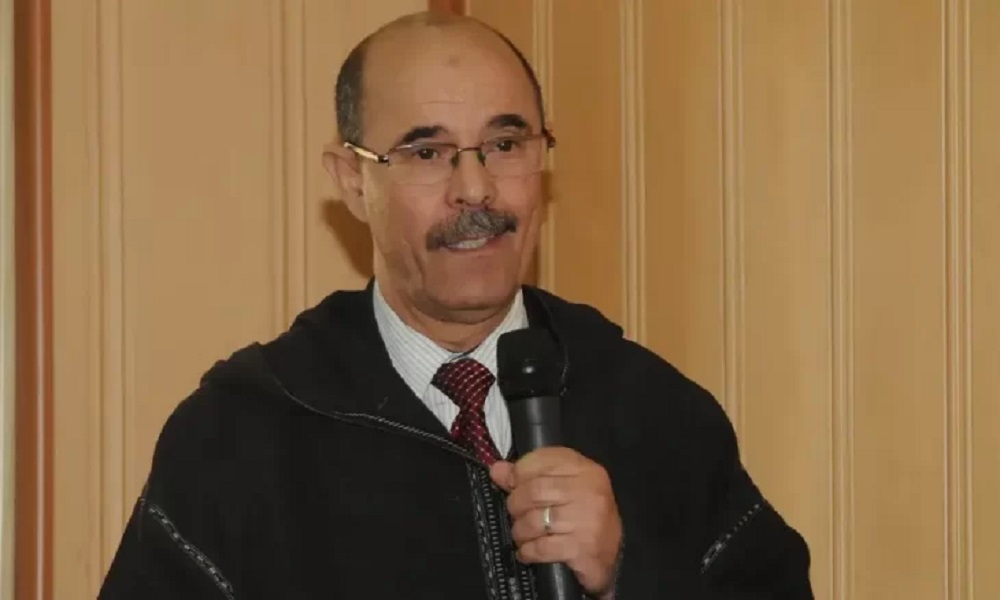
Watan-Algeria’s indictment chamber upheld the decision to keep historian Mohamed El Amine Belghith in pre-trial detention over his controversial remarks targeting Amazigh identity during an interview on a UAE-based TV channel. His legal team had hoped for his release pending trial.
The decision to maintain Belghith’s detention, originally ordered by the investigating judge, was confirmed by his defense team, which had argued that he should be released since he is a well-known university professor with a known address and poses no flight risk—conditions that normally justify trial outside prison under Algerian criminal procedure law.

Tawfiq Hichour, a member of the defense, said:”The decision to detain Dr. Belghith raises legitimate concerns, given his symbolic national and intellectual status.” He added on Facebook:”We reaffirm our support based on the principles of free expression and justice—defending intellectual figures is a defense of balanced dialogue and statehood.”
Belghith Claims Media Distortion Amid Calls for His Release and Parliamentary Outcry
- Acts targeting national unity
-
Attacking national and republican symbols
-
Undermining state cohesion
-
Disseminating hate speech and discrimination using information technology
Belghith’s Anti-Amazigh Remarks Ignite National Uproar and Diplomatic Rift with UAE
Many considered his statements a direct attack on one of Algeria’s three constitutional identity pillars: Islam, Arabism, and Amazigh culture.
During the Sky News Arabia interview, when asked to clarify his views on Amazigh identity and whether his remarks deny the identity of an entire people, Belghith replied:“There is no such culture. This is a purely French-Zionist ideological project. There is no such thing as Amazigh; there are Berbers, and they are ancient Arabs according to respected historians East and West.”
He continued:“The Amazigh issue is, by consensus among the wise in Libya, Algeria, and Morocco, a political project aimed at undermining Maghreb unity in service of a French agenda promoting a Francophone North Africa.”
He concluded:“Our roots trace back to the Phoenician Canaanites, and that’s the true source of conflict between us and our internal and external adversaries.”
Following the broadcast, Belghith faced harsh backlash from activists, scholars, and journalists, who deemed his remarks politically motivated and provocative. Many called for legal action against him for challenging Algeria’s national foundations, comparing his case to that of author Boualem Sansal, who is also imprisoned over statements considered offensive to Algeria’s territorial integrity.
Critics argued that Belghith engaged in “ethnic incitement” on a Gulf platform known for targeting Algerian sovereignty—crossing the line from free expression into national sabotage.
The issue escalated into diplomatic tensions with the UAE. Algerian state television harshly criticized Abu Dhabi for hosting Belghith and broadcasting statements perceived as a “grave attack on the foundations of the Algerian people and a distortion of their deep-rooted history.”
A statement from state TV described the UAE’s behavior as “a desperate move by rootless entities lacking genuine sovereignty,” accusing the Gulf nation of becoming “a factory for ideological poison,” and labeling Belghith as an “ideology dealer in the marketplace of history.”