UAE Prisons: Denial of Justice and Enforced Isolation
Reports highlight the systematic denial of detainees' legal rights and their isolation from the outside world, raising serious human rights concerns..

Watan–The UAE once again demonstrates its disregard for international human rights standards by depriving detainees of any legal grievance rights, imposing isolation from the outside world, and subjecting them to torture and mistreatment.
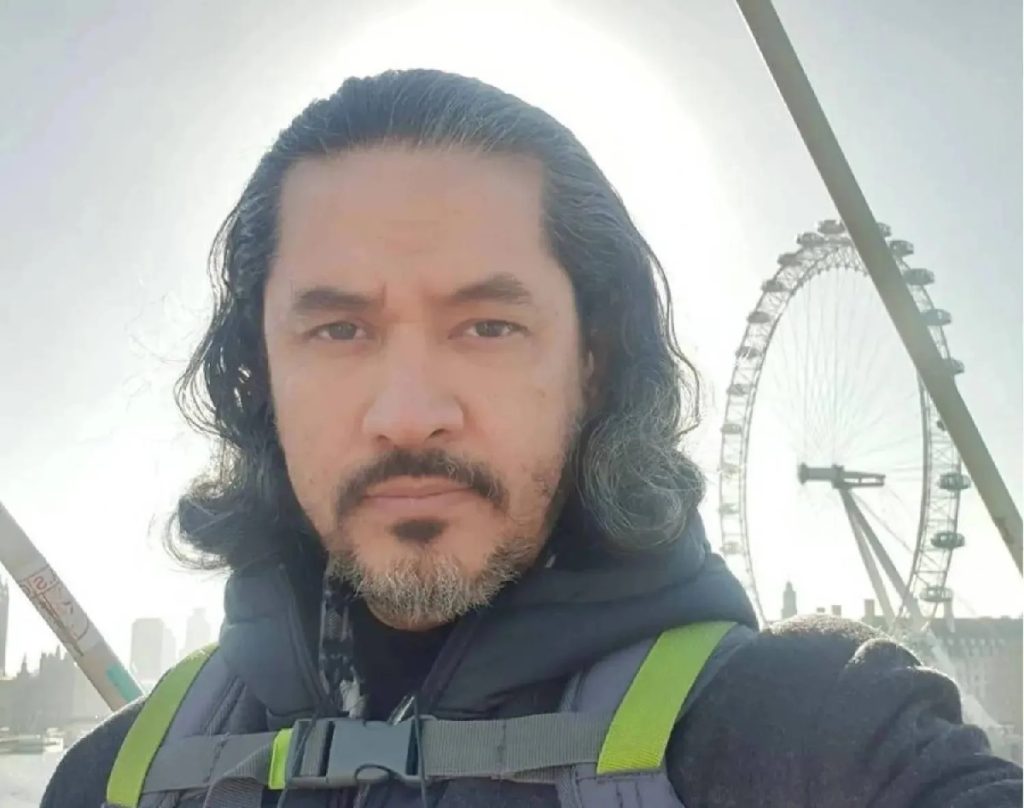
One of the most prominent examples is Egyptian poet and opposition activist Abdelrahman Youssef Al-Qaradawi. His family has expressed deep concern over his continued detention by Abu Dhabi, where he has been denied access to a lawyer or contact with family members since his deportation from Lebanon on January 8, amid reports of torture.

In a statement, Al-Qaradawi’s family revealed that he has been in complete isolation since losing contact with his Lebanese lawyer, Mohammed Sablouh, and communication was cut off after the UAE private plane carrying him took off.
According to the statement, the family expressed profound concern and fear over his continued detention in the UAE, where he is not allowed to contact his lawyer or family, including his young daughters. They emphasized that Abdelrahman Al-Qaradawi is not convicted of any crime in the UAE and was supposed to be investigated by the public prosecution within 48 hours under UAE law. However, after eight days of detention, he has still not been allowed legal or familial contact, which constitutes a clear violation of local and international laws safeguarding detainees’ rights.
The statement noted that the lack of communication with Abdelrahman has fueled widespread rumors and negative speculation, ranging from reports of torture to concerns about his deteriorating health, even rumors of his death. The family stressed that these reports cannot be confirmed or denied due to the lack of contact, highlighting serious concerns for his safety.
In their conclusion, the family appealed to UAE authorities to immediately allow him to communicate with his lawyer and family and to ensure all his legal rights are upheld, along with guarantees of his physical and psychological well-being.
They called on human rights organizations, civil society groups, and international bodies to intervene with UAE authorities to ensure Abdelrahman Youssef Al-Qaradawi’s safety, protect his rights as guaranteed by law, and secure his prompt reunion with his family.
The Lebanese authorities deported Al-Qaradawi to the UAE on January 8, 2025, aboard a private plane departing from Beirut Airport. His lawyer stated that the action was unlawful and that the Lebanese authorities made the wrong decision, denying him legal recourse and violating his rights.
Al-Qaradawi was arrested by Lebanese authorities upon his return from Syria on December 28, 2024, based on a complaint from the UAE Attorney General through the Lebanese embassy in Abu Dhabi, citing a video posted by Al-Qaradawi on his social media and allegations tied to an extradition request from Egyptian authorities.
He was interrogated by the Lebanese Public Prosecutor regarding the UAE’s allegations, which was followed by an expedited decision by the Lebanese Cabinet, marred by political considerations and complicity, to extradite him to the UAE on January 8, 2025.
Since his extradition, all communication with Abdelrahman has been severed, and UAE authorities have provided no information about his detention, its conditions, or any legal proceedings against him, if any.
Human rights organizations have condemned this incident as part of a broader pattern of declining respect for human rights in the region. They emphasized that security cooperation between states is increasingly being used as a pretext for severe violations, enabling transnational repression and targeting human rights defenders and political dissidents worldwide.
Such incidents represent a direct threat to the global human rights framework, as forced deportations and cross-border targeting of individuals blatantly violate international law and set a dangerous precedent for transnational repression.
Abdelrahman Youssef Al-Qaradawi, a poet, journalist, and prominent media figure holding Egyptian and Turkish citizenship, is known for his steadfast advocacy for freedom and democracy and his opposition to authoritarian regimes.
During the rule of former Egyptian President Hosni Mubarak, he was one of the regime’s most vocal critics, co-founding movements like “Kefaya” and supporting prominent political figures like Mohamed ElBaradei and Abdel Moneim Aboul Fotouh, making him a target for persecution and fabricated charges. Since 2015, he has resided in Turkey, continuing his activism for justice and human rights.