
Mini-Strokes, Major Impact: How TIAs May Cause Lasting Brain Damage
Despite being labeled "mini-strokes," transient ischemic attacks (TIAs) can lead to long-term cognitive decline, mirroring the effects of full strokes—underscoring the urgent need for rapid diagnosis and treatment.
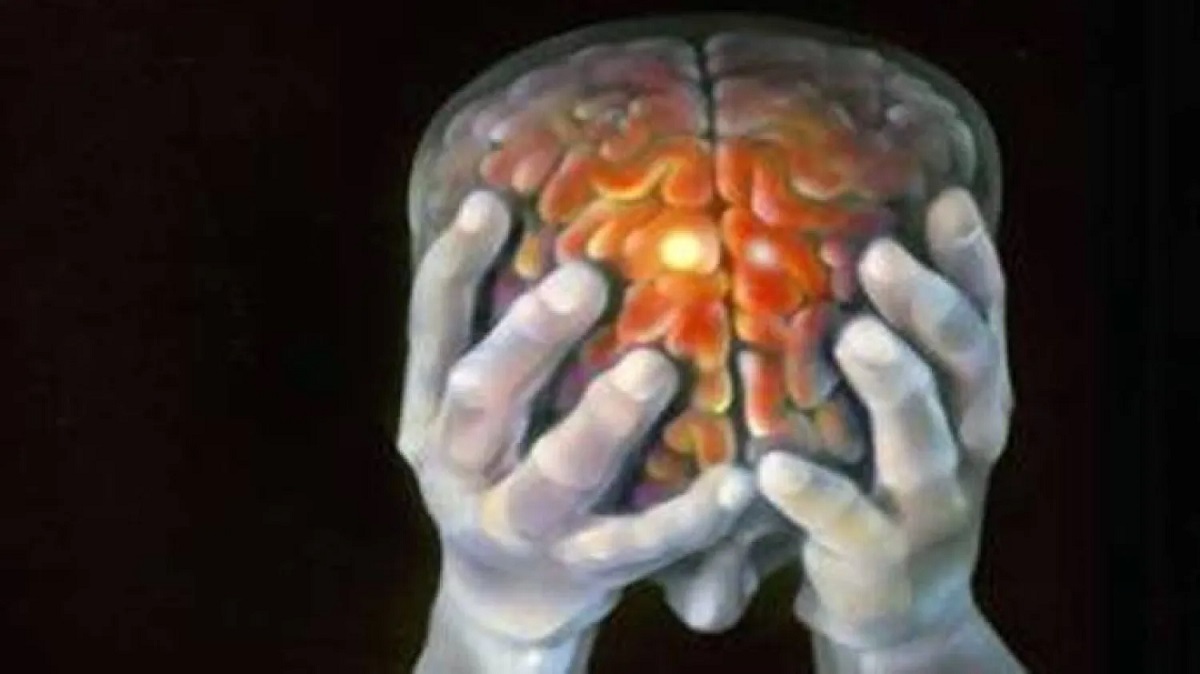
Watan-Although often referred to as “mini-strokes,” transient ischemic attacks (TIAs) may cause long-term damage to brain health, similar to the effects of a full stroke, according to recent studies reported by The New York Times.
Ten years ago, American woman Christine Kramer woke up to let her dog out, unaware that the morning would become unforgettable. “I couldn’t speak, and my right hand was nearly paralyzed,” she recalls. Still, she went back to sleep, assuming it was nothing serious. She ignored the symptoms and went to work as usual—until things worsened in the following days.
Persistent tingling in her arm and trouble speaking and writing led to an MRI scan, which revealed she had experienced a mild stroke.
“If I could go back in time, I would’ve sought help immediately,” Kramer now says.
Her case is not unique. Medical estimates indicate that about 240,000 Americans experience TIAs each year. Symptoms often appear suddenly and resolve within minutes or hours, leading many to dismiss them. But a major study recently published in JAMA Neurology found that TIAs can leave lasting cognitive effects.
Groundbreaking Findings
The study, led by Dr. Victor Del Bene of the University of Alabama, tracked over 30,000 people over 45 who had never had a stroke or TIA. It concluded that participants who later experienced a TIA showed cognitive decline within five years—similar to those who had a full stroke.
“Even if no further health complications occur, people who suffer a TIA show a cognitive trajectory similar to those with full strokes,” Del Bene explained.
A Race Against Time
Experts emphasize the critical importance of rapid response. The risk of a full stroke within 90 days of a TIA ranges from 5% to 20%, with half of that risk occurring within just 48 hours.
Dr. Clay Johnston of the Harper Health Center in Texas says, “People should treat TIAs like major strokes—with urgency and decisiveness. A quick return to normal doesn’t mean you’re safe.”
To recognize early symptoms, the American Heart Association recommends the acronym BE FAST:
-
B (Balance): Sudden loss of balance
-
E (Eyes): Vision changes
-
F (Face): Facial drooping
-
A (Arms): Weakness in the arms
-
S (Speech): Difficulty speaking
-
T (Time): Time is critical—seek help immediately
Updated Medical Guidelines
The 2023 clinical guidelines recommend immediate brain imaging, lab tests, and identification of risk factors for any suspected TIA case. Anticoagulant therapy may be necessary, and lifestyle changes—like quitting smoking and managing blood pressure, diabetes, and cholesterol—are strongly advised.
Even when symptoms seem mild or fleeting, cases like that of 74-year-old retired attorney Karen Howes—who only discovered multiple TIAs through routine testing—highlight the importance of vigilance.
In conclusion, both scientific research and personal stories show that a “mini-stroke” can be a major warning sign. There is no room for delay or complacency.