
Israel Approves New Border Wall Plan with Jordan: A Strategic Move or Territorial Expansion?
The Israeli government has approved a new security wall along the Jordanian border, a controversial step to strengthen military control over the Jordan Valley.
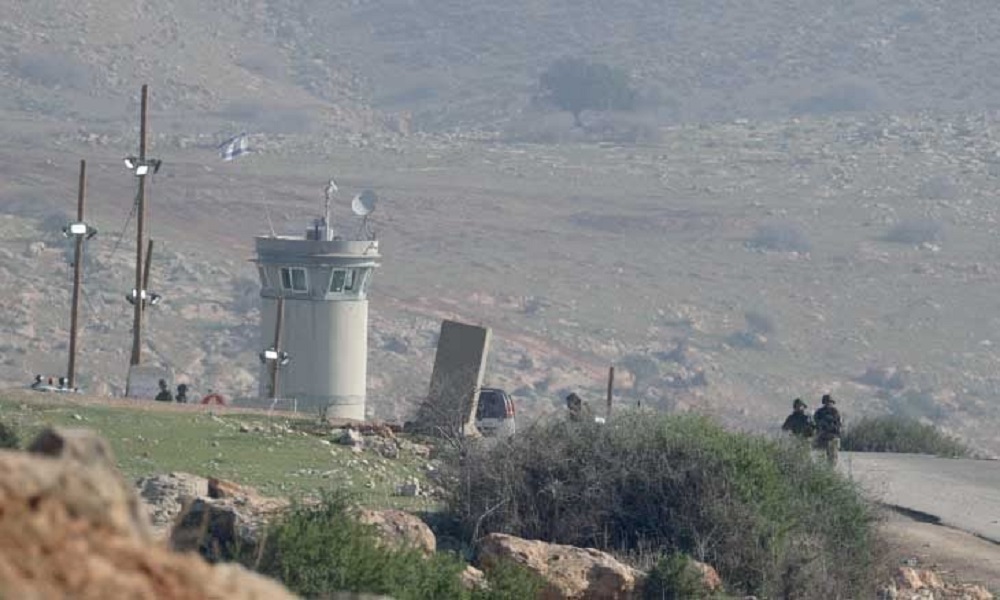
Watan-The Israeli security cabinet (the “Kabinets”) has approved a new plan to construct a barrier along the eastern border with Jordan. Foreign media reports indicate that this approval follows two recent unsuccessful attempts by foreigners to infiltrate the area.
The plan includes creating a comprehensive system of fortifications and surveillance mechanisms aimed at reinforcing military control over the Jordan Valley. The project will be carried out in two main phases: the first will extend from the existing border fence to the Jordan River, and the second will cover the area between the so-called “Yellow Barrier” and the “Red Barrier.” This phase will include the construction of a physical fence equipped with advanced sensors, alarm systems, and military checkpoints.


According to details of the plan, formulated by the Israeli Ministry of Defense in cooperation with the Israeli General Staff, the wall will span approximately 425 kilometers, from the southern Golan Heights to the northern parts of the city of Eilat.
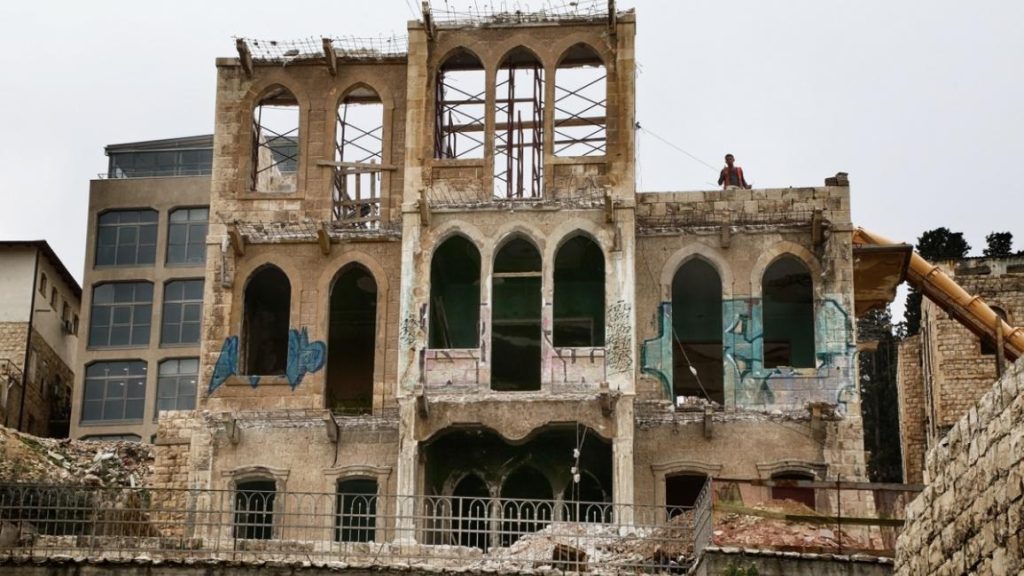
Israel Launches $1.4B Border Wall Project with Jordan to Expand Control and Security
The plan comes alongside parallel measures to “enhance Israeli presence in the region” through the establishment of military outposts, training camps, and agricultural farms, all part of a “comprehensive strategy to extend Israeli influence in the area.”
Israeli Security Minister Israel Katz commented on the decision, calling it “a strategic step that will contribute to strengthening the national security of the state.” He stated that building the security fence along the Israeli-Jordanian border was “a crucial step against Iran’s attempts to turn the eastern border into another terrorist front.”
The project is expected to cost 5.2 billion shekels (approximately $1.4 billion) and take three years to complete. It will integrate a physical barrier, advanced sensors, mobile military units, and command infrastructure.
The plan outlines the construction of several layers of defense, including physical infrastructure, surveillance systems, intelligence gathering tools, command centers, and the deployment of light and flexible military units capable of adapting to evolving field threats.
Construction work is scheduled to begin in June, focusing on 80 kilometers of the aforementioned sections, while the Ministry of Defense continues to plan for the subsequent phases of the project and finalizes a comprehensive security vision for the Jordanian border.
Currently, there is an old wire fence equipped with sensors along part of the border, particularly those sections that run alongside the West Bank, while the rest of the border is equipped only with barbed wire.
Aliyan Al-Hindi, a researcher on Israeli affairs, noted that the proposed wall in the eastern region is not a new decision by the current Israeli government. It was initially planned and discussed under the Sharon government in 2002-2003.
He explained that at the time, the plan called for building a wall 20 kilometers from the Jordanian-Palestinian border in the West Bank. If today’s proposal follows those plans from twenty years ago, the wall would annex almost 40% of the West Bank, including the Jordan Valley, areas near Jerusalem, and Bethlehem, territories the occupation refers to as “Judea Desert.”
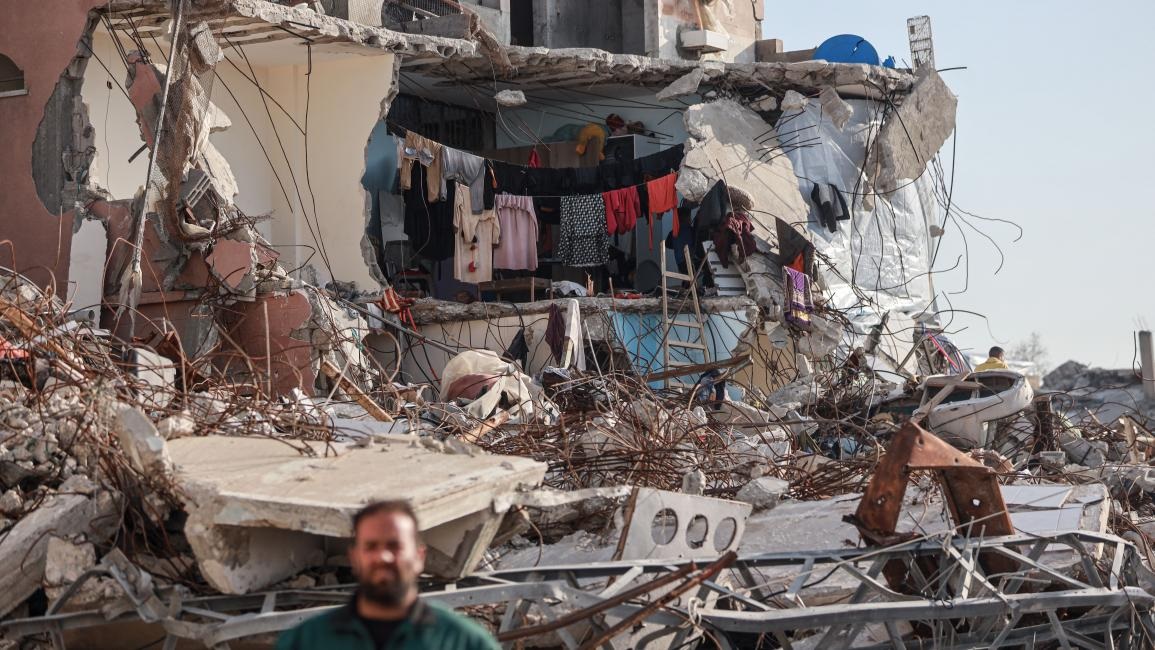
Al-Hindi emphasized that the wall is not meant for defense, as Israel claims, but rather aims to annex large parts of the West Bank. He warned that if constructed, the wall would cut off significant Palestinian land, particularly in southern Hebron and the Massafer Yatta area, contributing to further displacement of Palestinians in the region.
The researcher further argued that the wall is part of a larger Israeli strategy to create isolated “enclaves” within the Palestinian territories, each with limited autonomy, a concept Israel refers to as “city-state governance.” He cautioned that this wall would be detrimental to Palestinian demographics, effectively depriving them of critical land needed for growth.
Al-Hindi concluded by reiterating that, despite Israel’s claims, the wall’s primary aim is territorial expansion, not security. He highlighted the ongoing peaceful relations between Jordan and Israel, making the claim of needing a security wall along the border unjustifiable.