
U.S.-Backed Gaza Humanitarian Initiative Faces Criticism Amid Blocked Aid Distribution
New Plan to Aid Gaza Spark Concerns Over Effectiveness and Risks of Hunger, Displacement.

Watan-The New York Times reported that the U.S.-backed “Gaza Humanitarian Foundation” is ready to begin operations, aiming to create an alternative model to help the besieged residents of Gaza, who have been under total siege for over two months. However, veteran relief organizations are skeptical about the plan’s feasibility and chances of success.
In a report by reporters Nathan Odineheimer, Ronen Bergman, and Efrat Levni, the foundation, supported by the Trump administration, announced on Wednesday that it had reached an agreement with Israel to start operations by the end of the month. The proposal suggests that Israel will allow the entry of humanitarian materials where the foundation establishes its operational system.


The “Gaza Humanitarian Foundation” aims to become an alternative to existing humanitarian institutions, particularly after Israel stopped the operations of UNRWA (United Nations Relief and Works Agency) in Gaza, the West Bank, and East Jerusalem. The newspaper notes that humanitarian organizations have warned about the dangers of the ongoing Israeli siege, claiming it threatens to cause famine among the civilian population who have suffered from war, displacement, and deprivation for 19 months.
Humanitarian Aid Plan for Gaza Faces Criticism Amid Famine Warnings and Logistical Concerns
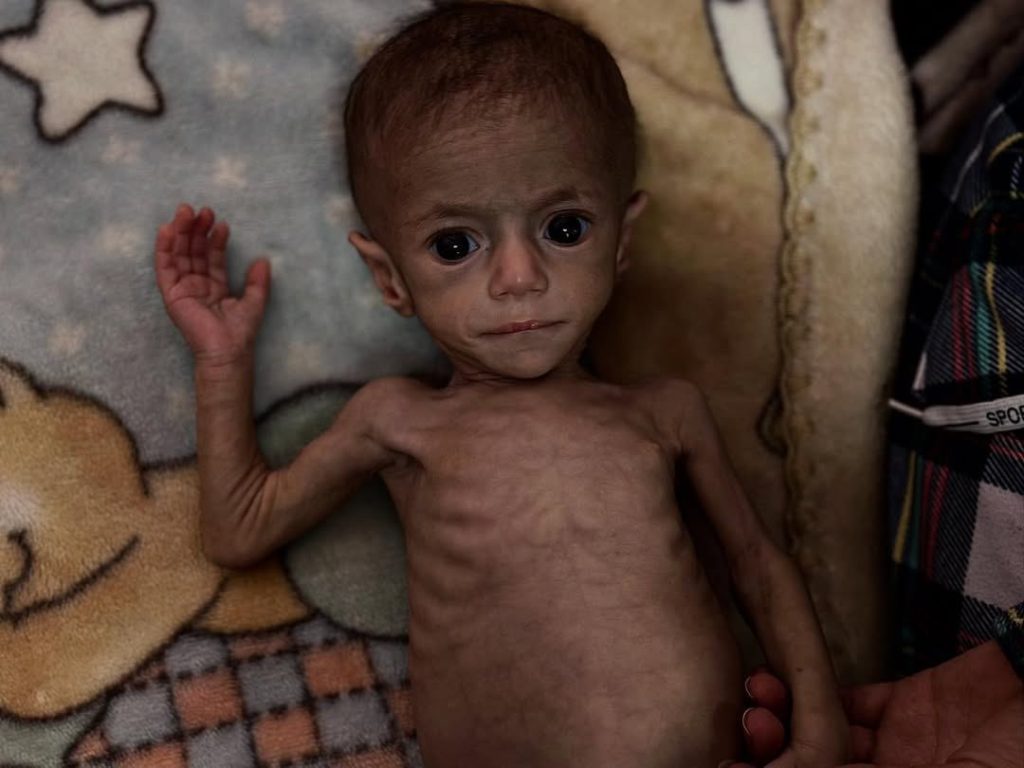
The New York Times revealed that Israeli officials privately warned of a potential famine among the population if humanitarian aid is not urgently distributed. However, humanitarian organizations, including those affiliated with the United Nations, rejected cooperation with the new plan, questioning the Gaza Humanitarian Foundation’s approach and the viability of its plans.
According to Israeli officials and a United Nations diplomat, the foundation’s overall plan involves setting up a few distribution centers to provide food to hundreds of thousands of Palestinians. This has led to concerns that civilians in need may have to travel long distances to access these limited centers, complicating the process.
In a statement released on Wednesday, the foundation gave an indication of when its operations would begin, saying it had reached several key agreements with Israeli officials. These agreements include allowing the flow of aid into Gaza while the foundation establishes distribution centers, and providing access for the foundation to build locations in more areas of the sector, with alternative arrangements for those who cannot reach the sites.
Jake Wood, the foundation’s executive director, stated: “We don’t have time to waste” and “We have a responsibility to act.”
The newspaper notes that Wednesday’s announcement is significant, suggesting that Israel may allow aid distribution in Gaza before the new system is fully implemented, although some Israeli officials, including Defense Minister Israel Katz, have pledged not to allow the flow of aid as long as Hamas could benefit from it.
However, according to Israeli defense officials speaking on condition of anonymity, the Israeli military may have to allow aid into Gaza due to the deteriorating situation there.

UN Raises Concerns Over Gaza Aid Distribution Plan Amid Fears of Displacement and Looting
While any resumption of food distribution could help address the growing hunger in Gaza, the United Nations stated that it has numerous reservations about participating, including concerns that fewer distribution centers could leave many Gaza residents without food and other essential supplies.
In a briefing paper distributed this month to relief partners, including UN member states and other aid agencies, the UN Office for the Coordination of Humanitarian Affairs (OCHA) warned that the project could also be used as a means to forcibly displace civilians in northern Gaza, with the potential for aid centers to be built in southern Gaza.
Relief workers also warned that the new system could leave civilians living far from distribution points more vulnerable to looting and theft.
It seems that the agreements the foundation claims to have reached with Israel address some of these concerns. The foundation stated in its press release that it is “in the final stages of securing large quantities of food aid to complement the current commitments from humanitarian organizations operating in Gaza,” and that it expects the total commitment in the first 90 days to exceed 300 million meals, “representing one of the largest emergency food distribution operations in the modern history of the region.”
However, it remains unclear when aid will begin flowing into the Gaza Strip under the U.S.-backed plan, among many other unknown details.
In a press conference last week, U.S. Ambassador to Israel Mike Huckabee acknowledged that the new system will face challenges, at least initially, but stated: “The danger lies in doing nothing.”