Israeli Army Investigation Exposes Command Failures in Zikim Beach Battle During Hamas’ October 7 Attack
IDF Probes Reveal Chaos, Desertions, and Officer Negligence That Led to Heavy Losses in Gaza Border Engagement.
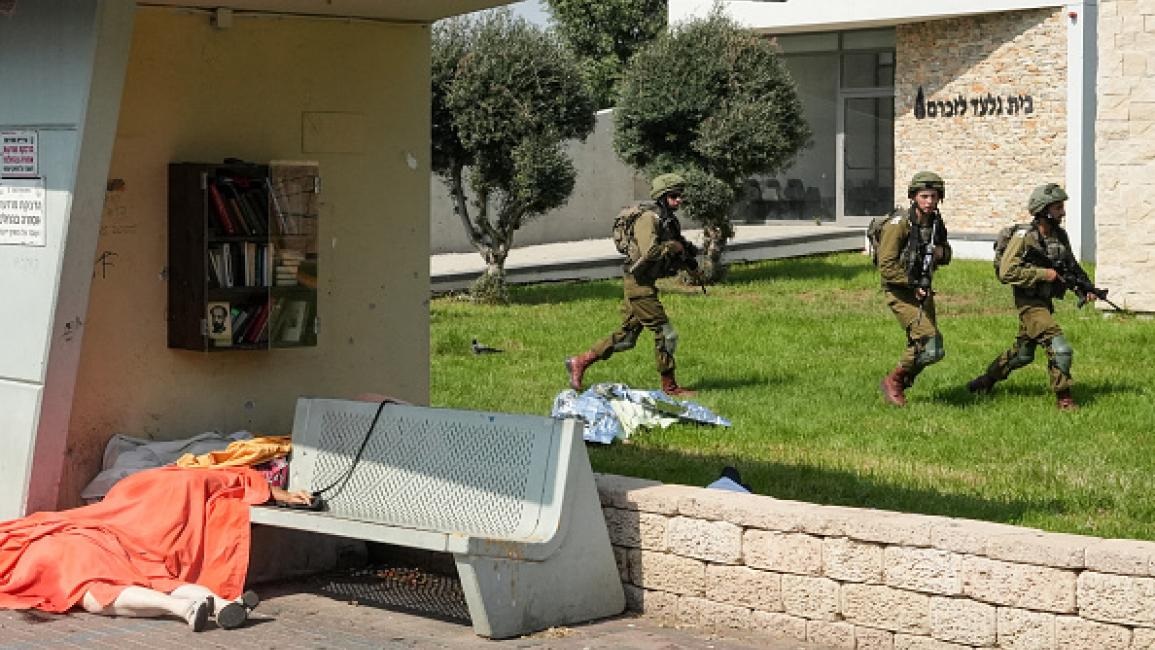
Watan-The results of an Israeli army investigation into the battle that took place on the beach and at Zikim Kibbutz during the Al-Aqsa Flood operation launched by Hamas on October 7, 2023, revealed a significant gap between the performance of the soldiers stationed at the beach near the military base and the local guard unit within the kibbutz (an agricultural settlement).
The findings, reported Sunday in Israeli media, showed poor soldier performance and leadership failures that directly contributed to the bloody outcome near the military base.

“Massive Professional Failure”
Regarding the kibbutz, the investigation found that the guard unit responded quickly and immediately, with good coordination among members, which prevented any al-Qassam fighters (Hamas’s military wing) from breaching the kibbutz. There were no casualties or kidnappings inside the kibbutz, except for one Israeli killed—a member of the internal security service (Shin Bet)—who was shot during a skirmish with the fighters as he passed near the confrontation site.
In contrast, the army’s performance was described as a “massive moral and professional failure,” with the report noting:“A soldier is expected in such situations to sacrifice his life if necessary to protect civilians and separate them from armed attackers.”
The investigation revealed that the naval sector commander avoided a greater disaster by moving his forces against orders, although he abandoned command during a critical phase. Additionally, a naval observer and a civilian alert team played a key role in preventing the kibbutz from being overrun by intercepting the Palestinian fighters at the right moment.
According to the findings, the Gaza Division was aware of the infiltration, but the soldiers failed to support the Golani Brigade positioned near Zikim Beach. While the infiltration alert reached the Golani Brigade, it never made it to the soldiers, as their commander was hiding in a shelter. Some soldiers of the Golani Brigade also hid during the attack, while others fled the scene, according to the report.
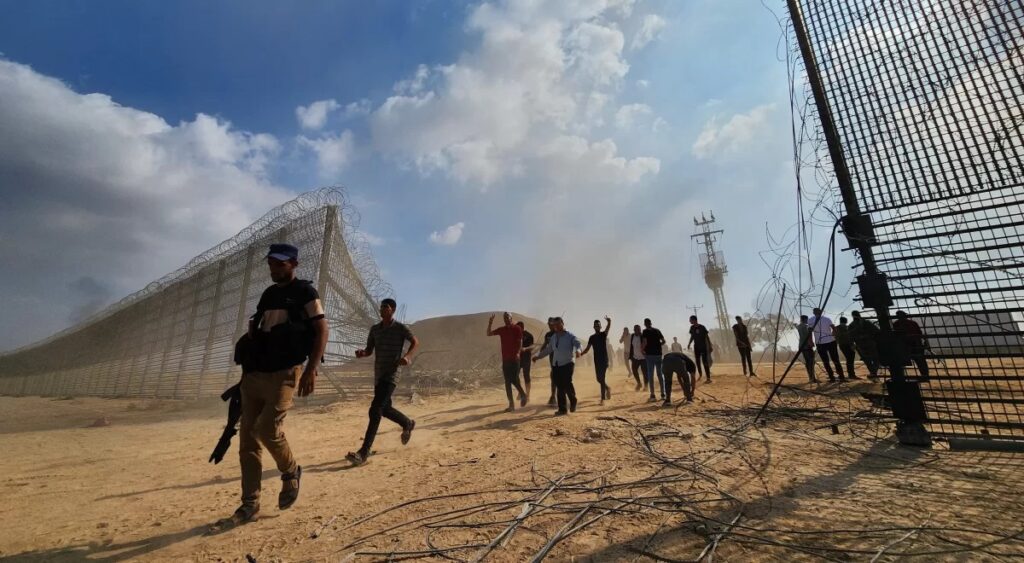
The Golani Brigade’s retreat—considered an elite unit—was described as one of the biggest failures of the October 7 attacks in the Zikim area.
“Some corpses remained on the ground for a full week after the attack,” the report stated.
The investigation, published by Ynet, revealed alarming discrepancies in how events were handled between the nearby Netiv HaAsara settlement and Zikim. In both locations, the clashes involved similar numbers, with no numerical superiority on either side. The engagements were nearly evenly matched between the Israeli army and Hamas’s elite forces.
The Israeli forces were small in number and under weak field leadership. A sector commander communicated via radio but made tactical mistakes on the ground. The overall field leadership was marked by withdrawal, retreat, and lack of initiative, leading to military performance that fell short of matching the Qassam unit’s threat. These issues applied both to Netiv HaAsara and Zikim Beach.
Leadership Failure
The investigation concluded that the shocking failures weren’t due to the soldiers’ conduct, but rather the officers in charge, especially those within the northern brigade of the Gaza Division. Despite these failures, no disciplinary actions were taken, and no commanders were held accountable—neither administratively nor formally.
A striking detail in the report was the instruction given to the company commander responsible for the sector:
He was told to leave the company HQ and hide in a shelter in case of an alert—something the report considered “a reflection of the leadership’s confusion and lack of readiness.”
For nine crucial minutes after the surprise attack began at 6:29 a.m. on October 7, the soldier assigned to receive radio communications and relay vital field updates was absent from duty. It wasn’t because he left his post—he was hiding inside and unable to perform his role. He failed to report the infiltration and coordinate communication between the battalion and other units.
The company, a part of the Golani Brigade, operated under the 77th Armored Battalion. Major failures were evident from the start, including leaving the bodies of fallen soldiers, killed by a shell and a hail of bullets, inside a shelter for a week.
One especially damning case involved six Golani Brigade soldiers abandoning their position and fleeing upon seeing Hamas fighters just tens of meters away. The army said those soldiers should have formed a defensive barrier to protect civilians hiding in restrooms and shelters. Their retreat enabled the attackers to kill 14 out of the 17 Israelis present in the area.
According to the army, during the withdrawal, Hamas’s elite fighters seized a Savannah vehicle the soldiers had left behind and used it to drive to Zikim Kibbutz. A navy observer noticed and alerted the kibbutz commander, who immediately mobilized his armed team. They positioned themselves defensively, recognized the Hamas vehicle, and opened fire, preventing a breach and protecting the kibbutz.