UK’s Strike on Houthis Signals Alignment with Trump’s War Strategy, Fuels Criticism over Gaza Ties
British airstrikes in Yemen mark Keir Starmer’s first military move, deepening UK involvement in Trump’s regional campaign while reinforcing its controversial support for Israel during the Gaza war.
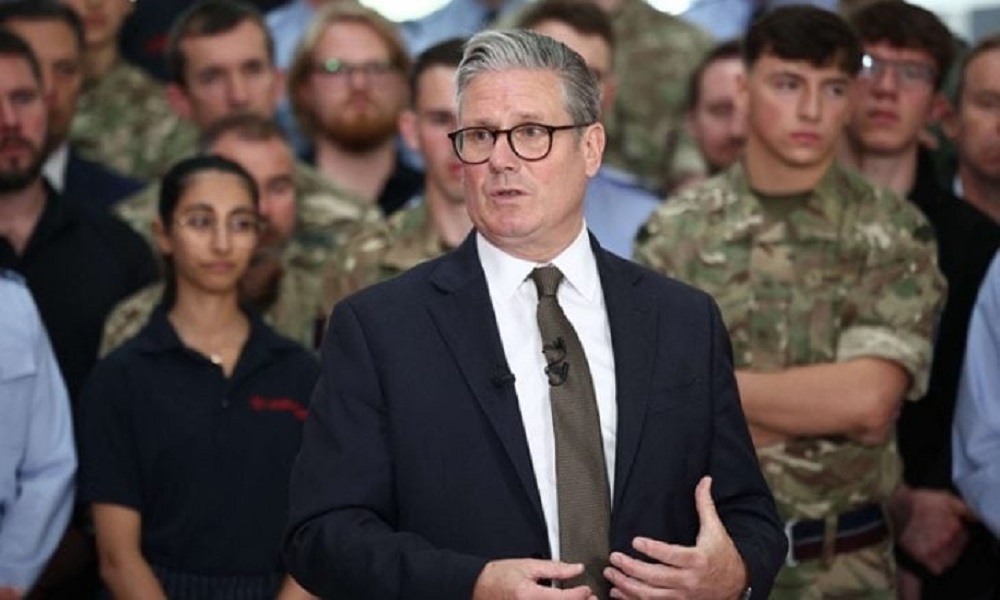
Watan-The Guardian published an op-ed by Paul Rogers, honorary professor of Peace Studies at the University of Bradford, criticizing the UK’s recent airstrike on the Houthis in Yemen as a symbolic alignment with Donald Trump’s administration.
Rogers argued that while Trump’s foreign policy remains globally condemned, the Labour government’s participation in a U.S.-led military campaign marks renewed support for it.

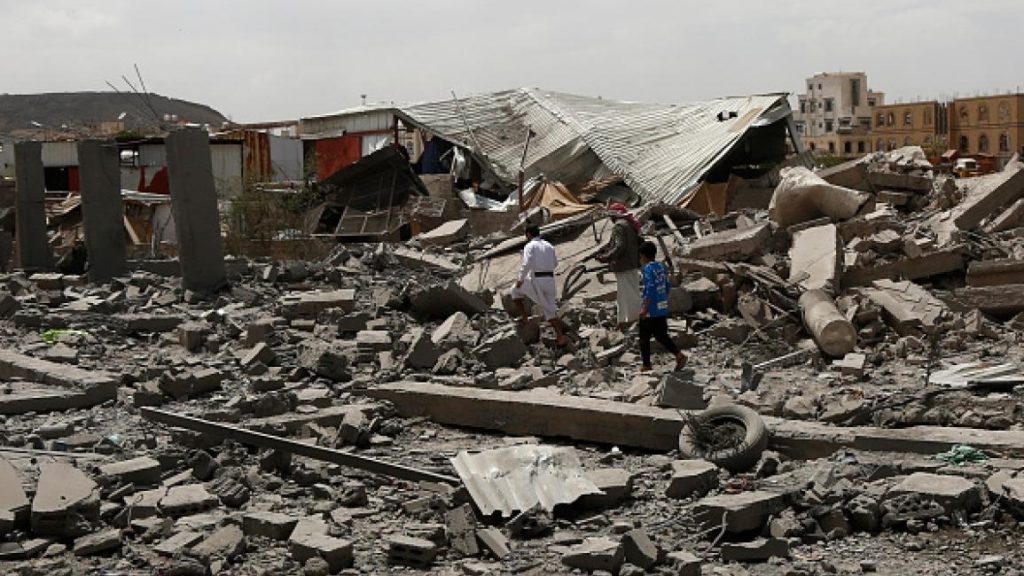
This week, British Royal Air Force jets struck Houthi targets in Yemen—the first military operation approved by Labour leader Keir Starmer—joining the ongoing American offensive, launched mid-March, and continuing for over 45 days.
The U.S. operation, dubbed “Operation Rough Rider”, aims to demonstrate Trump’s tougher stance against the Houthis compared to Biden. The Pentagon claims over 1,000 targets have been hit.
UK strikes reportedly targeted a drone manufacturing facility used in Houthi attacks on Red Sea shipping, underlining Britain’s growing military alignment with Trump’s policies.
Since the Gaza war began, the Houthis began attacking vessels linked to Israel, citing support for Palestinians. These attacks cut traffic through the Suez Canal nearly in half between 2023 and 2024.
The Biden administration initially responded with airstrikes in January 2024. The UK joined in during Rishi Sunak’s term, approving five waves of Royal Air Force strikes.
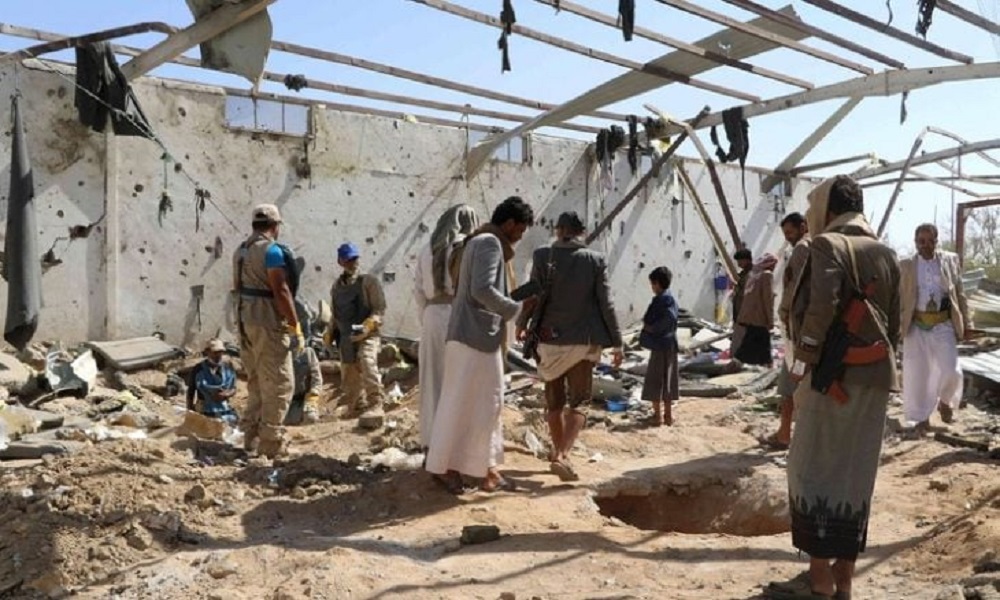
Now, under Labour, British involvement has intensified but drawn little media attention—despite mounting reports of civilian casualties, including an American strike this week that killed 70 African migrants in a detention center, according to Houthi sources.
Although U.S. forces have carried out most of the bombings, British participation is more than symbolic. For example, a British jet from RAF Akrotiri (Cyprus) supported an American raid that killed 53 people, including women and children, six weeks ago.
Rogers highlighted that RAF Akrotiri is central not only to the war in Yemen but also to Israel’s war on Gaza, functioning as a joint U.S.-UK base providing operational support.
British surveillance planes have conducted over 500 reconnaissance flights over Gaza, allegedly to locate hostages held by Hamas—but often aligned with major Israeli assaults. One RAF spy plane may have even landed in Israel.
Meanwhile, U.S. military planes have used Akrotiri for multiple missions, yet UK authorities have refused to disclose details, even to Parliament. Unofficial sources suggest U.S. special forces and arms shipments to Israel pass through the base. High-level coordination also includes regular visits between UK and Israeli military officials.
During the current Gaza war, Israeli military transport aircraft have landed at RAF Brize Norton in Oxfordshire, the UK’s main airlift base—further highlighting the deepening military ties between the two nations.
Wider Political Impact in the UK
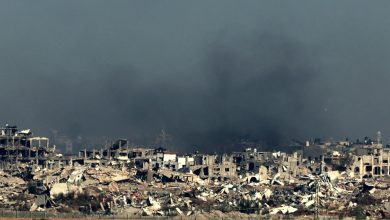
The UK’s deepening military role raises serious political concerns, especially amid Israel’s escalating siege and humanitarian blockade on Gaza, which followed its breach of a ceasefire agreement.
Even if the war ends soon—a highly unlikely outcome—its devastating consequences will last for decades, Rogers warned.
Domestically, this complicates Keir Starmer’s position. Among the UK’s broad political left, support for Palestinians is deeply entrenched, manifesting in weekly protests, rallies, and direct actions across towns and cities. These events receive little mainstream media coverage but are shifting grassroots sentiment.
Criticism has grown louder over UK-based companies supplying arms to Israel, and Labour has dropped in polls since the July 2024 election. For many, Gaza was the breaking point—causing members and supporters to abandon the party in protest.
Rogers concludes that Britain’s airstrike on Yemen—coinciding with Trump’s aggressive military push and Israel’s brutal campaign in Gaza—reflects a dangerous entanglement. Instead of using its limited influence to restrain Netanyahu, the Starmer government is doubling down on military alignment with Trump and deepening its role in a highly controversial regional war.