
Tunisian Authorities Accused of Using Moral Controversies to Distract from Political Crisis
Opposition slams the government for inflaming religious and identity debates to divert public attention from arrests and state security trials.
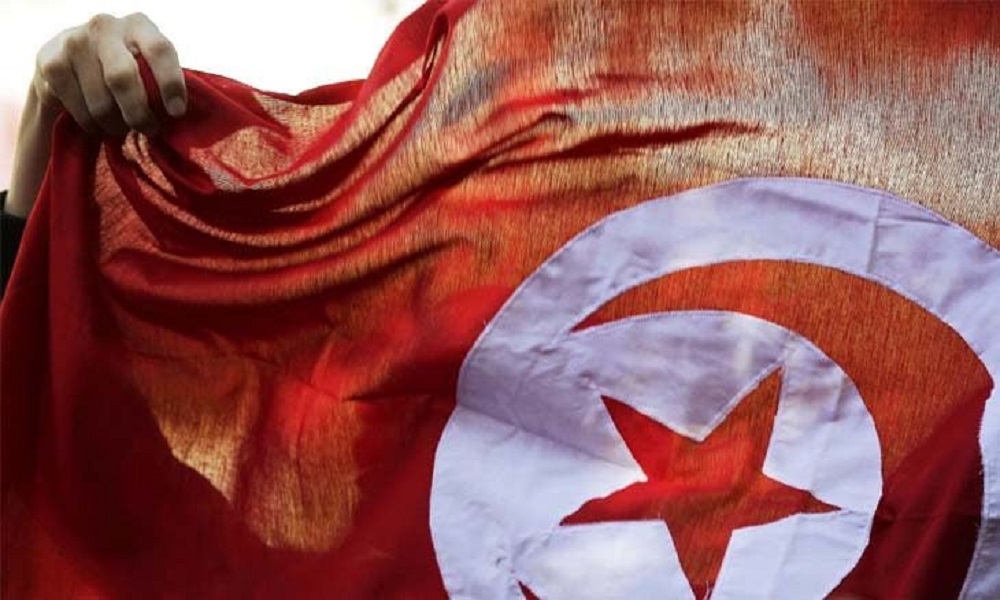
Watan-As Tunisia’s political crisis deepens, controversial issues of a religious and moral nature have suddenly resurfaced. The opposition believes this is a tactic by authorities to distract public opinion while the country grapples with the state security conspiracy case and the arrest of lawyer Ahmed Souab.
Just days ago, Tunisia’s political class and civil society condemned the authorities for allowing the Islamist Hizb ut-Tahrir party to hold a new conference calling for the return of the Caliphate. This occurred alongside controversy over the film Dabbous Al-Ghoul, which was accused of blasphemy. Meanwhile, several supporters of President Kais Saied launched a “moral campaign” against protesters, accusing them of homosexuality.

Using Taboos to Distract the Public
Samir Ben Amor, head of the political bureau of the Congress for the Republic Party, told Al-Quds Al-Arabi:
“It is a tradition of every authoritarian regime to divert the public away from fundamental issues with marginal and secondary ones—such as the Hizb ut-Tahrir conference or homosexuality accusations—to cover up unjust rulings in the conspiracy case and the arrest of lawyer Ahmed Souab.”
Fadi Al-Farayhi, from the Intersection Association for Rights and Freedoms, pointed to a link between Souab’s arrest and the sudden controversy over Dabbous Al-Ghoul. He said the film was screened at the 2021 Carthage Film Festival without any backlash. However, after its lead actors Mohamed Mourad and Yasmine Al-Dimassi publicly supported Souab, a clip from the film went viral just hours before a major protest demanding his release. “It appears this distraction attempt by the authorities failed,” Farayhi added.
Promoting Extremist Ideas
Farayhi also criticized the authorities for arresting Ahmed Souab—well known for defending rights and freedoms—on “terrorism” charges, while allowing Hizb ut-Tahrir, a party known for promoting violence and anti-state rhetoric, to freely hold a conference. He also condemned the government’s blocking of a symbolic trial organized by civil society groups against those accused of plotting against state security.
Slandering the Opposition
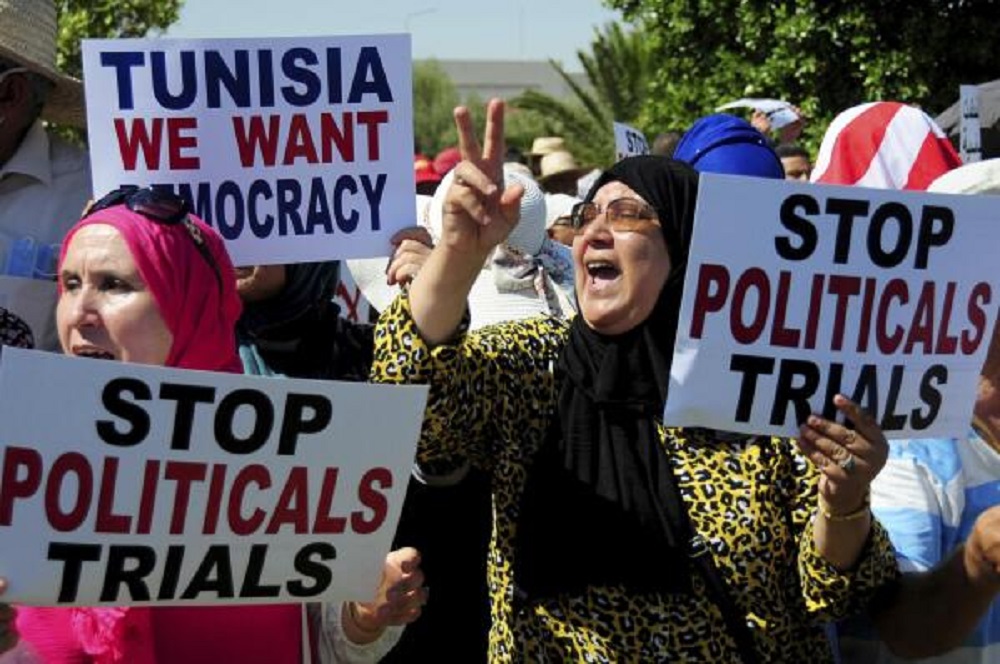
Regarding the accusations of homosexuality, Farayhi stated:“Homosexuality is neither a crime nor a virus. The participation of minority rights organizations in protests for Souab’s release shows that Tunisian society, in all its diversity, is united against dictatorship and authoritarianism.
The latest protests included politicians, human rights defenders, and minority communities demanding democracy and civic freedoms.”Hichem Ajbouni, a leader in the Democratic Current Party, added:“We’ve grown used to the regime and its supporters smearing every political or social protest against it. So it’s no surprise that Saied’s supporters are spreading misinformation and slander against every voice of opposition.”He continued:“One of their usual tactics is reviving old or irrelevant issues to shift focus from essential national concerns to divisive moral topics, cloaked in populist slogans devoid of any real benefit to the people or the country.”
As Tunisia’s political crisis deepens, controversial issues of a religious and moral nature have suddenly resurfaced. The opposition believes this is a tactic by authorities to distract public opinion while the country grapples with the state security conspiracy case and the arrest of lawyer Ahmed Souab.
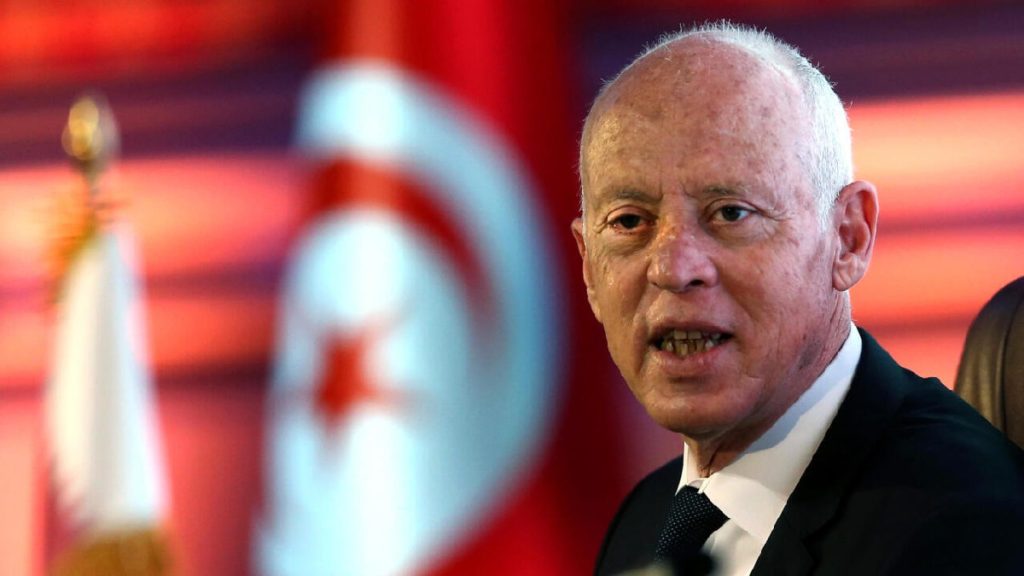
Just days ago, Tunisia’s political class and civil society condemned the authorities for allowing the Islamist Hizb ut-Tahrir party to hold a new conference calling for the return of the Caliphate. This occurred alongside controversy over the film Dabbous Al-Ghoul, which was accused of blasphemy. Meanwhile, several supporters of President Kais Saied launched a “moral campaign” against protesters, accusing them of homosexuality.
Using Taboos to Distract the Public
Samir Ben Amor, head of the political bureau of the Congress for the Republic Party, told Al-Quds Al-Arabi:
“It is a tradition of every authoritarian regime to divert the public away from fundamental issues with marginal and secondary ones—such as the Hizb ut-Tahrir conference or homosexuality accusations—to cover up unjust rulings in the conspiracy case and the arrest of lawyer Ahmed Souab.”
Fadi Al-Farayhi, from the Intersection Association for Rights and Freedoms, pointed to a link between Souab’s arrest and the sudden controversy over Dabbous Al-Ghoul. He said the film was screened at the 2021 Carthage Film Festival without any backlash. However, after its lead actors Mohamed Mourad and Yasmine Al-Dimassi publicly supported Souab, a clip from the film went viral just hours before a major protest demanding his release. “It appears this distraction attempt by the authorities failed,” Farayhi added.
Promoting Extremist Ideas
Farayhi also criticized the authorities for arresting Ahmed Souab—well known for defending rights and freedoms—on “terrorism” charges, while allowing Hizb ut-Tahrir, a party known for promoting violence and anti-state rhetoric, to freely hold a conference. He also condemned the government’s blocking of a symbolic trial organized by civil society groups against those accused of plotting against state security.
Slandering the Opposition
Regarding the accusations of homosexuality, Farayhi stated:“Homosexuality is neither a crime nor a virus. The participation of minority rights organizations in protests for Souab’s release shows that Tunisian society, in all its diversity, is united against dictatorship and authoritarianism. The latest protests included politicians, human rights defenders, and minority communities demanding democracy and civic freedoms.”
Hichem Ajbouni, a leader in the Democratic Current Party, added:“We’ve grown used to the regime and its supporters smearing every political or social protest against it. So it’s no surprise that Saied’s supporters are spreading misinformation and slander against every voice of opposition.”
He continued:“One of their usual tactics is reviving old or irrelevant issues to shift focus from essential national concerns to divisive moral topics, cloaked in populist slogans devoid of any real benefit to the people or the country.”