Watan-This year’s Labor Day in Morocco brought both traditional and exceptional features. As usual, labor unions marched through the streets and delivered impassioned speeches. But what stood out was a women-led campaign fighting not for wage increases or job security, but for something far less visible — recognition of unpaid domestic labor.
Led by the Challenge Association for Equality and Citizenship and backed by the United Nations (Morocco Office), the campaign highlights the invisible, unpaid labor that women perform daily in homes across Morocco. This includes child care, cleaning, cooking, elder care, and educational support — tasks that are vital for family and social stability but are rarely acknowledged or compensated.
“This work forms the foundation of family life and saves families vast costs,” said the association, “yet it remains invisible and underappreciated.”
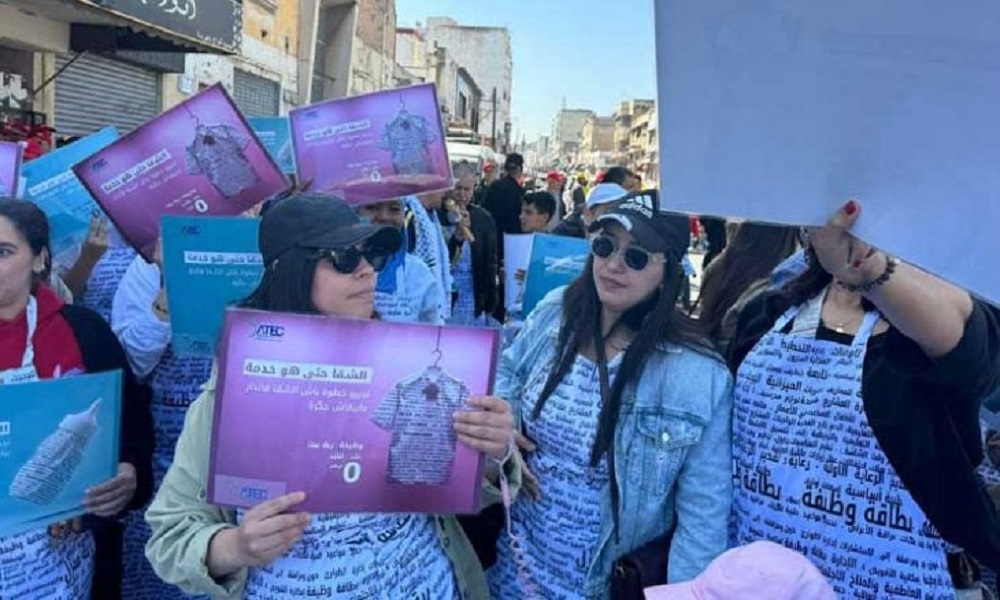
As part of the campaign, men and women joined a symbolic march in Casablanca, donning custom aprons printed with a visual manifesto describing the multi-tasking nature of housework. The slogan “Shqa al-dar mashi ḥekra” (“Housework is not shameful”) went viral on social media as men posted apron-clad photos to show solidarity.

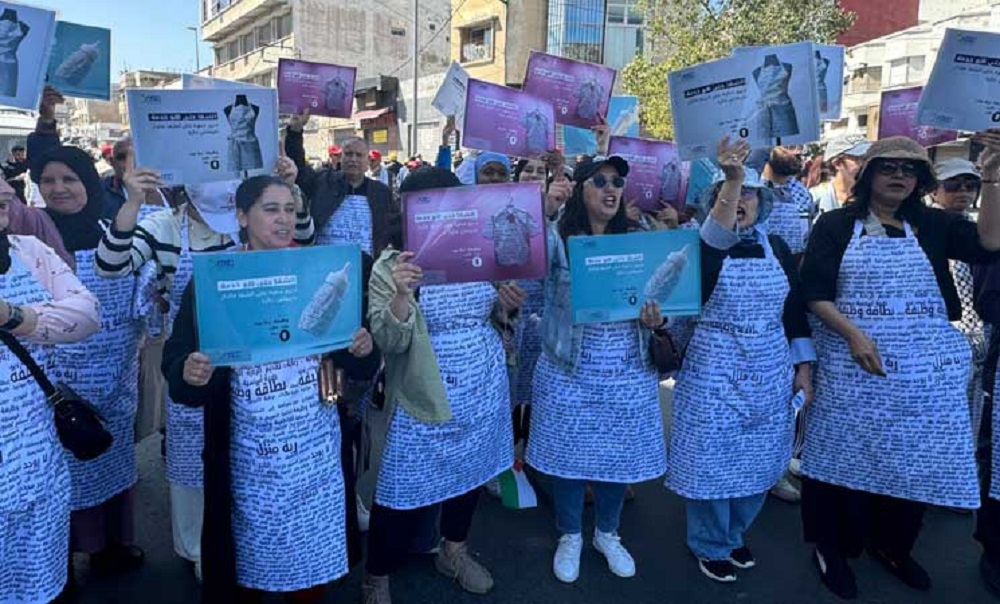
Bouchra Abdo, the association’s executive director, said the campaign aims to change mentalities and push for legal acknowledgment of domestic labor as valuable economic work. “We want this effort to be recognized, valued, and shared—not hidden behind walls.”
According to Morocco’s High Commission for Planning, women perform over 90% of household labor, averaging five hours per day compared to just 43 minutes for men. Abdo called this “a severe time imbalance that weighs on women’s careers and lives.”
The campaign isn’t just symbolic — it’s part of a national strategy running through September 2026. Its practical goal is to reduce one hour of daily household labor for women in over 100 families through shared responsibility and educational outreach.
The initiative is part of the regional “Dare to Care” program, which seeks to dismantle patriarchal norms, revise gender-biased social standards, and economically empower Arab women.
To reach youth and families, the campaign includes social media outreach, street performances, sports events, mobile theater, podcasts, and video content co-created with young people.
Ultimately, the campaign calls for a new social contract — one that acknowledges domestic labor as a foundational and shared duty, not a secondary or “helping” task. It is a reminder, especially on International Workers’ Day, that labor at home is labor too — deserving of respect, visibility, and fairness.
-

-

-

-

-

-