Israel Reveals Detention Locations of 64 Palestinians from Gaza After Months of Enforced Disappearance
Palestinian rights groups confirm Israeli authorities disclosed the whereabouts of 64 detainees while hundreds remain missing amid allegations of systematic torture and mass arrests.
Watan-The Palestinian Prisoners’ Affairs Authority (a government body) and the Palestinian Prisoners’ Club (a civil organization) announced on Wednesday that Israeli authorities have disclosed the detention locations of 64 Palestinians arrested from Gaza after months of “forced disappearance.”
In a joint statement, the two organizations published the names of 64 prisoners from Gaza “for whom responses regarding their detention locations” were received from Israeli prison authorities.

According to both institutions, these responses include details about their detention in Israeli prisons and military camps. However, they noted that no information has been provided regarding other detainees, adding that their fate will be re-examined after a month if the Israeli army continues to claim that “no information is available about them.”
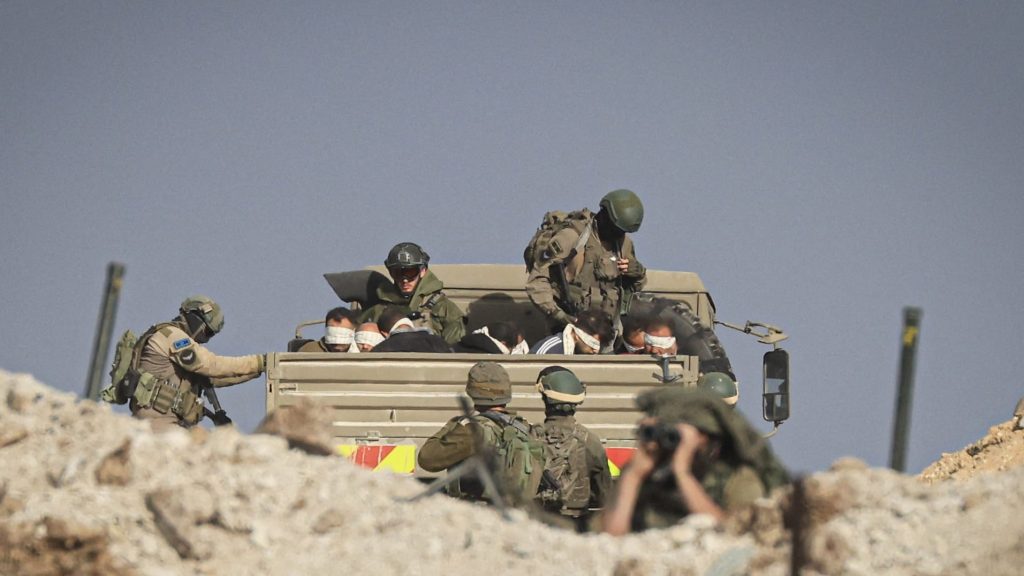
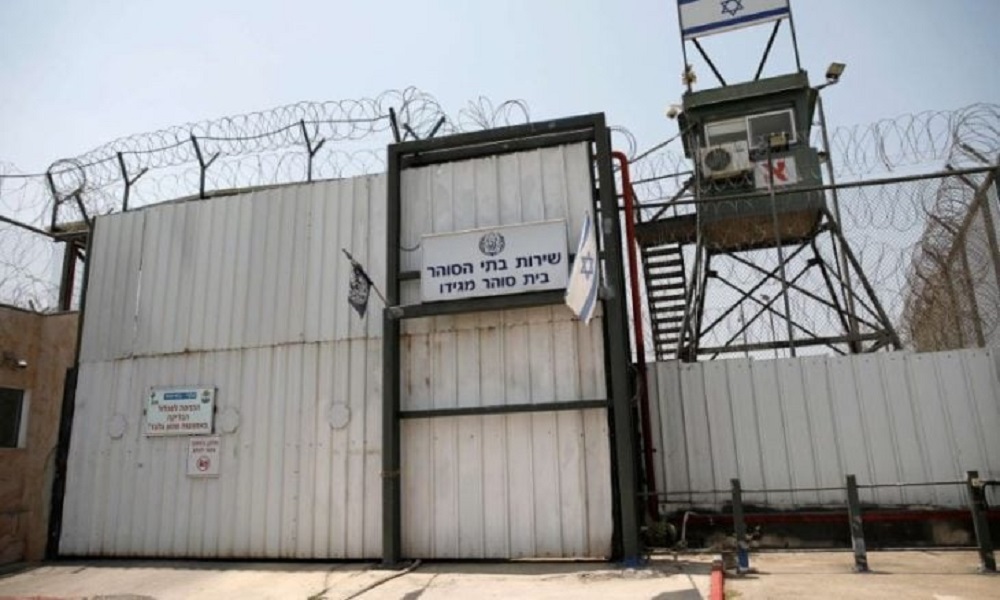
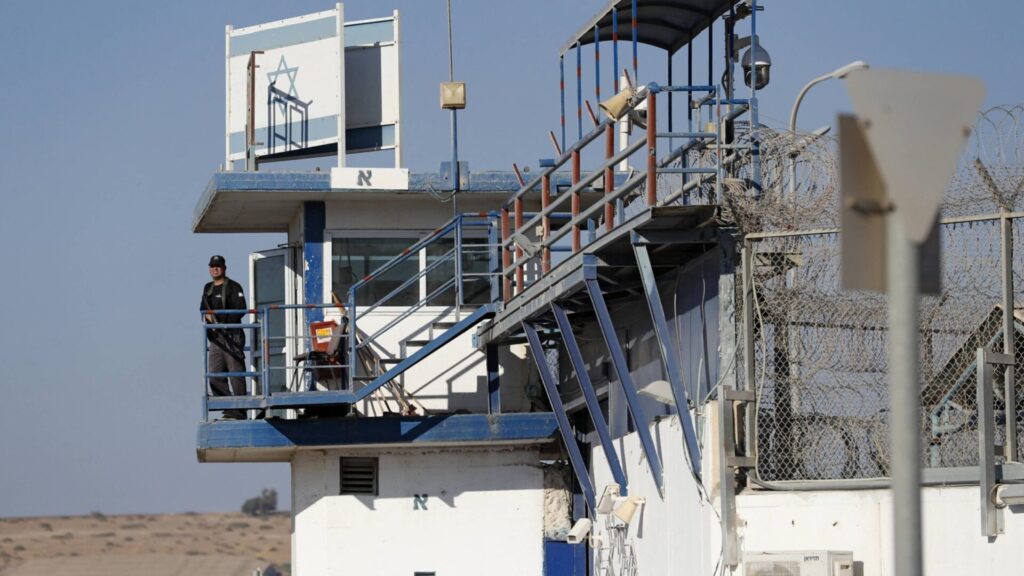
The identified detainees are being held in the Negev and Nafha prisons, as well as the Sde Teiman and Saharonim camps in southern Israel, Ofer Prison in the central West Bank, Nitzan Prison in central Israel, and Naftali and Megiddo prisons in northern Israel.
The organizations stated that the only available statistic regarding the number of detainees from Gaza comes from the Israeli prison administration, which, as of early February, acknowledged detaining 1,802 individuals, whom it classified as “unlawful combatants,” including women and children. Meanwhile, hundreds remain victims of enforced disappearance.
The two organizations estimated that the number of arrests from Gaza “reaches into the thousands since the beginning of the war of extermination” and confirmed that “the occupation continues to systematically torture Gaza detainees at an unprecedented level, leading to the deaths of dozens of them.”
With U.S. support, Israel carried out a genocide in Gaza between October 7, 2023, and January 19, 2025, resulting in more than 160,000 Palestinian casualties, including deaths and injuries, the majority of whom were children and women. Additionally, over 14,000 people remain missing.
On January 19, a ceasefire agreement was implemented in Gaza, involving a prisoner exchange between Palestinian factions and Israel. The deal consists of three phases, each lasting 42 days, with negotiations during the first phase determining the terms for the second and third phases. The agreement is mediated by Egypt and Qatar with U.S. support.
During the first phase, 19 Israeli prisoners were released from Gaza (out of an estimated 73, according to Tel Aviv) in exchange for 1,135 Palestinian prisoners, freed in six batches. This week and next week, an additional 602 Palestinian prisoners are expected to be released.